What Is an Industrial Pressure Sensor?
An industrial pressure sensor detects the pressure of liquids or gases and converts it into an electrical signal. Depending on the sensing technology and integrated electronics, pressure sensors and transducers may provide low-level millivolt signals, amplified voltage outputs or standardized current signals such as 4-20 mA.
ZINACA offers piezoresistive, strain gauge, miniature, flush diaphragm, high-temperature and hydraulic pressure sensors for industrial machinery, OEM equipment, process monitoring and specialized measurement applications.
Explore the products below to compare sensor designs and available configurations. Selection should consider the pressure range, measurement reference, process medium, temperature, response requirements, electrical output, process connection and installation environment.
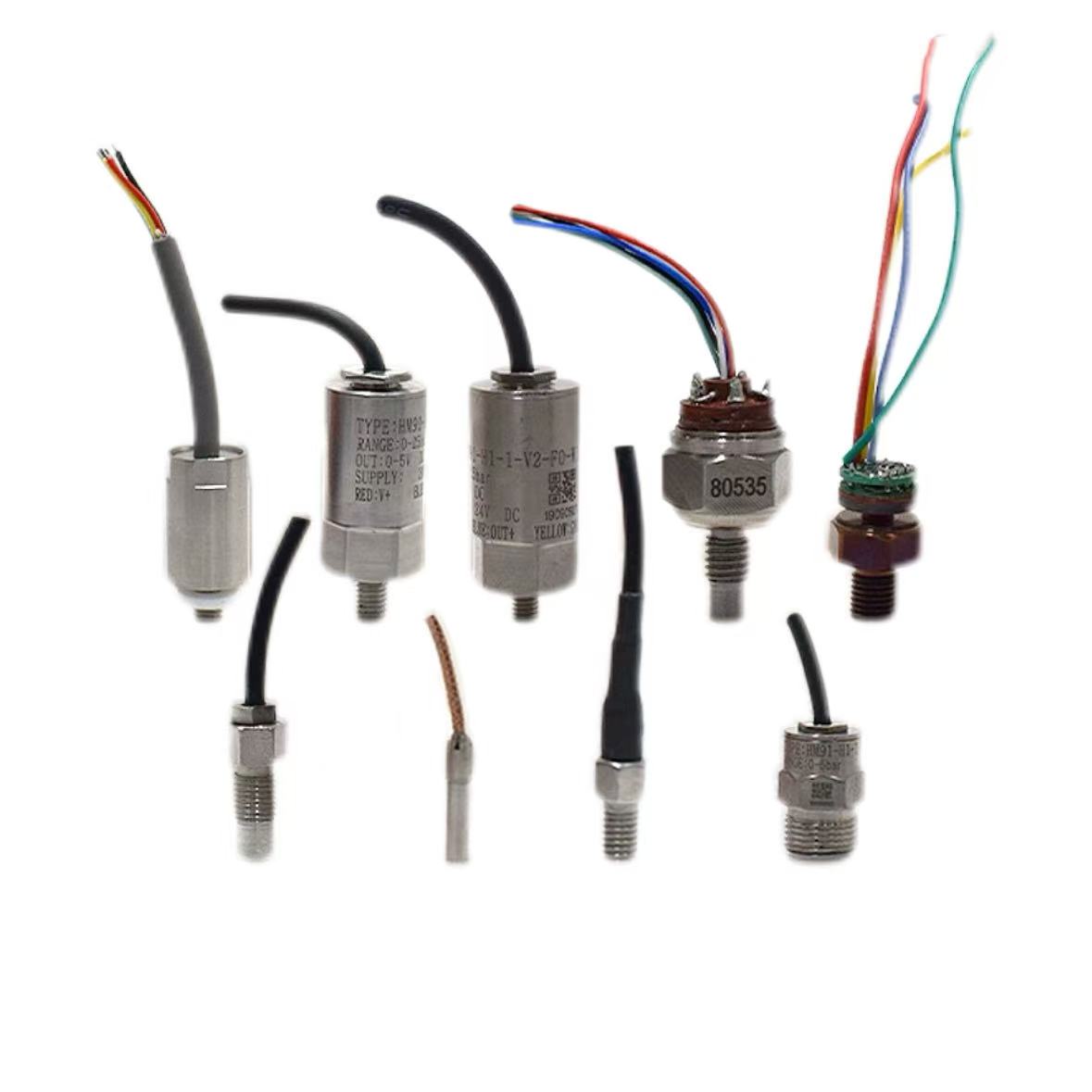
Miniature Pressure Sensor
The Miniature Pressure Sensor is an ultra-compact, high-performance instrument designed for precision pressure measurement in restricted spaces or applications requiring minimal flow field interference.
Read More Get A Quote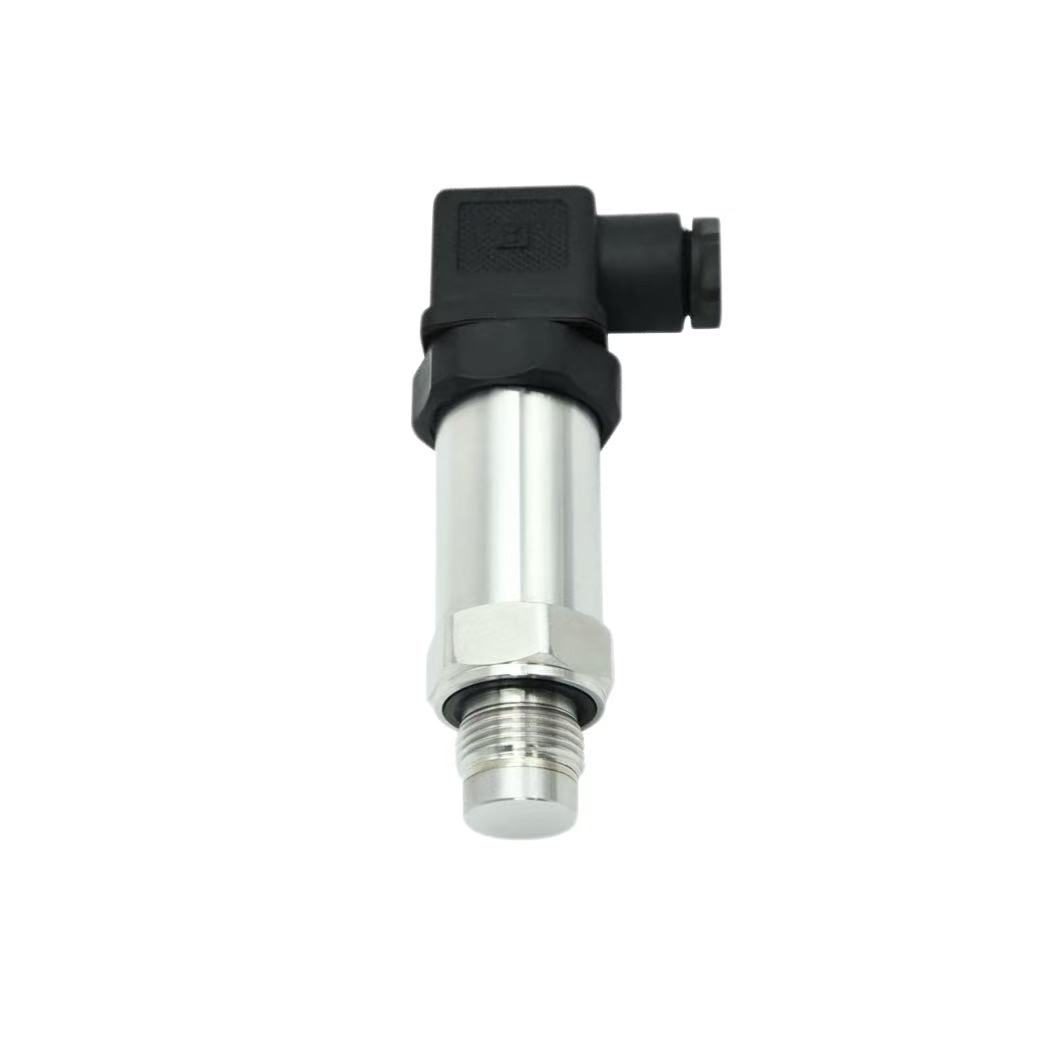
Flush Pressure Sensor
The Flush Pressure Sensor is specifically engineered for processes involving viscous, corrosive, crystallising, or slurry-like media where conventional pressure ports would easily clog or contaminate the process.
Read More Get A Quote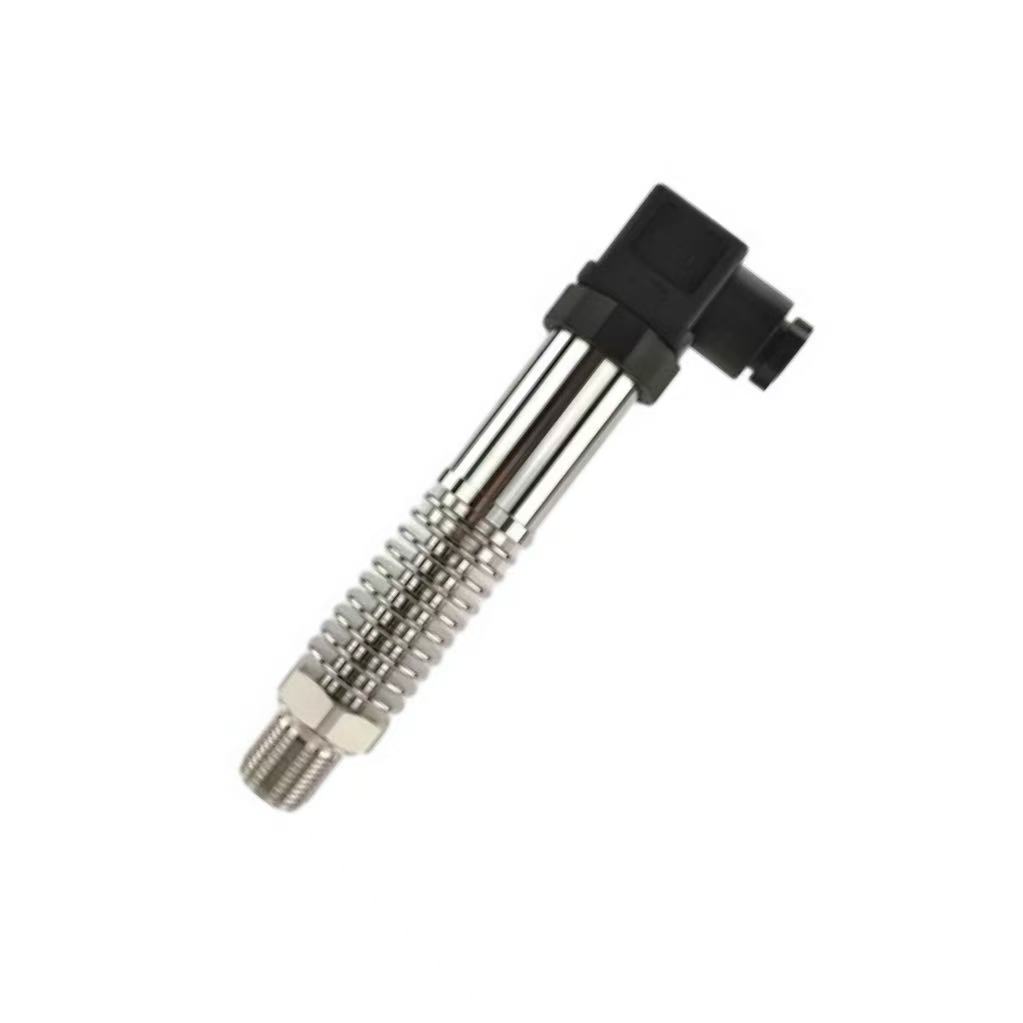
High-Temperature Pressure Sensor
The High-Temperature Pressure Sensor is a heavy-duty instrument specifically engineered for extreme thermal conditions.
Read More Get A Quote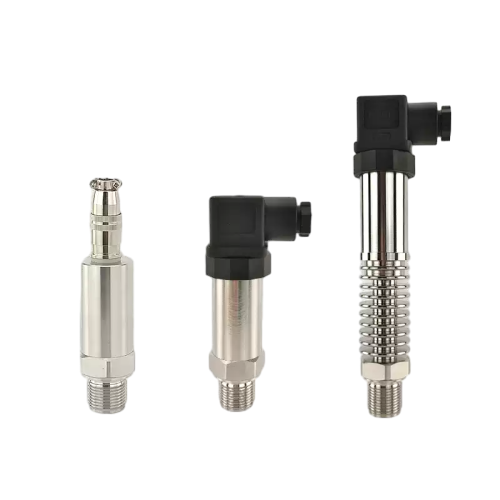
Strain Gauge Pressure Sensor
The Strain Gauge Pressure Sensor is a high-precision, rugged instrument designed to convert mechanical pressure into an electrical signal using the resistive strain effect.
Read More Get A Quote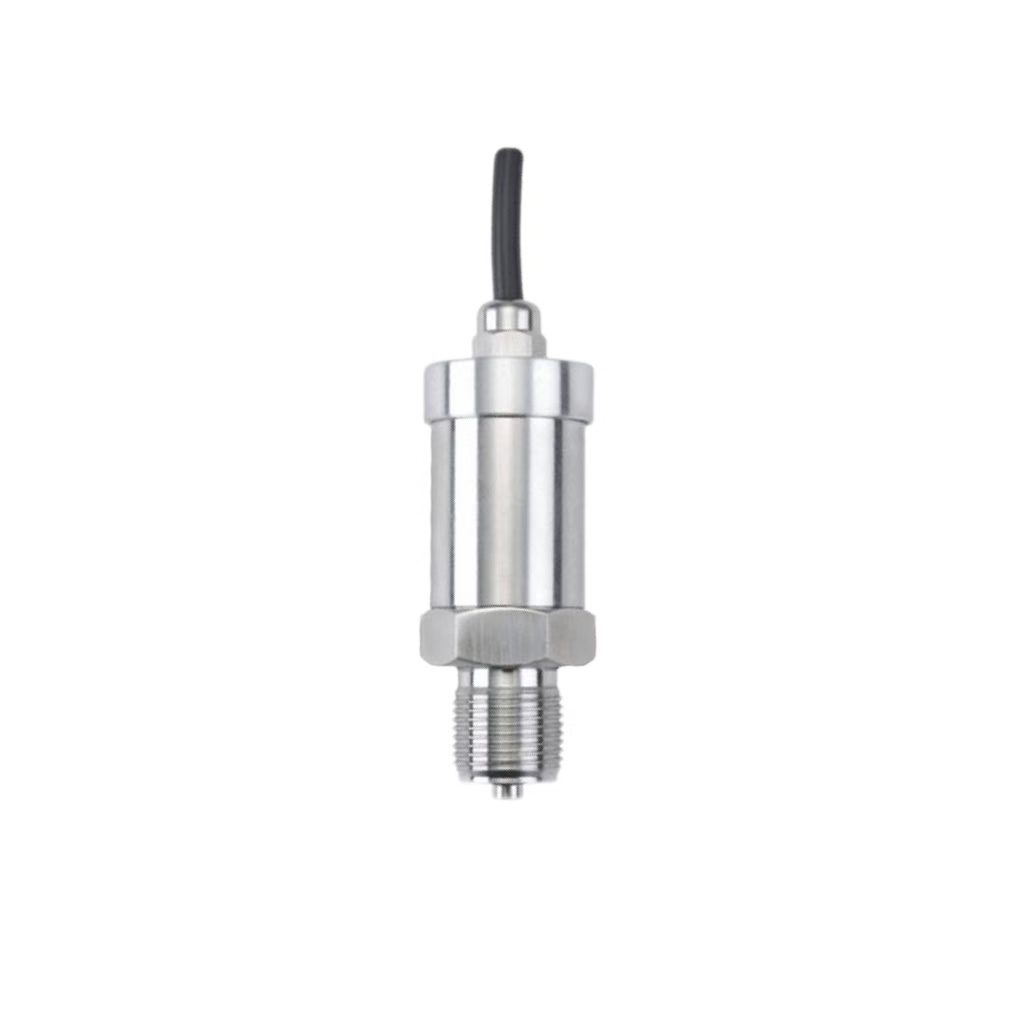
Piezoresistive Pressure Sensor
The ZNC-PT1470 Piezoresistive Pressure Sensor is a compact, high-precision measuring instrument utilizing advanced silicon piezoresistive sensing elements encapsulated in robust pressure interfaces.
Read More Get A Quote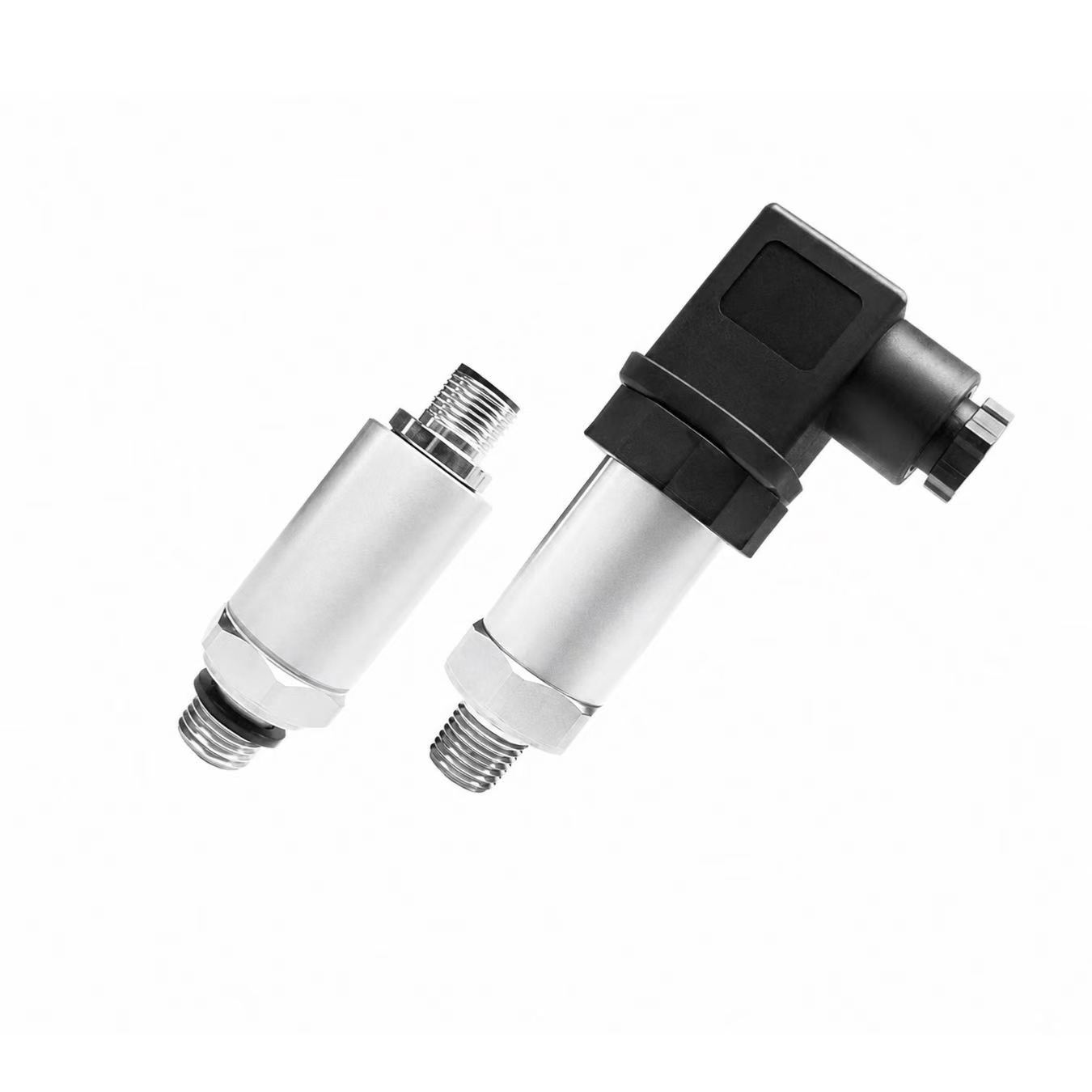
Hydraulic Pressure Sensor
The ZNC-PT6150 hydraulic pressure sensor for 0–25 to 0–800 bar with 4–20 mA or 0.5–4.5 V output, G1/4 connection and stainless steel body.
Read More Get A Quote
How to Choose an Industrial Pressure Sensor
Selecting an industrial pressure sensor requires careful consideration of the measurement range, sensing technology, output signal and process conditions. Different sensor designs are suitable for hydraulic systems, compact machinery, high-temperature processes and OEM equipment.
Before choosing a pressure sensor or pressure transducer, consider the following specifications:
Pressure range: Confirm the minimum, normal and maximum operating pressure, including pressure spikes, vacuum conditions and expected overload.
Pressure reference: Choose gauge, absolute or sealed gauge pressure measurement according to the application and available sensor configuration.
Sensing technology: Select a piezoresistive, strain gauge or other compatible sensing principle based on required accuracy, response characteristics and operating environment.
Output signal: Specify whether the system requires a millivolt signal, voltage output or 4-20 mA current output. Different output types require different signal conditioning and power supply arrangements.
Process medium: Identify the liquid or gas and verify compatibility with the sensing diaphragm, process connection and sealing materials.
Temperature: Confirm both medium temperature and ambient temperature, including potential temperature fluctuations during operation.
Mechanical installation: Check available space, process threads, mounting arrangement and electrical connector requirements.
Accuracy and response: Define measurement accuracy, response time and bandwidth requirements, especially for dynamic pressure monitoring.
Compare ZINACA Pressure Sensor Models
ZINACA provides industrial pressure sensors for different equipment designs and measurement requirements. Explore the following six sensor types to identify a suitable solution for your project.
1. Miniature Pressure Sensor
The Miniature Pressure Sensor is designed for applications where installation space is extremely limited or a fast dynamic pressure response is required.
Its compact sensing structure makes it suitable for pressure measurements in small mechanical assemblies, experimental equipment and specialized OEM systems.
Typical applications: Compact instrumentation, fluid dynamics testing, aerodynamic research, engine testing and specialized measurement equipment.
2. Flush Pressure Sensor
The ZNC-PT-FD Flush Pressure Sensor features a diaphragm positioned at the process connection to minimize cavities where viscous or solid-containing media may accumulate.
Unlike a conventional recessed pressure port, a flush diaphragm design can help reduce clogging and improve measurement suitability for challenging process media.
The required diaphragm material, process connection and cleaning compatibility should be evaluated for each application.
Typical applications: Food processing, viscous liquids, industrial slurries, chemical processing and equipment handling media prone to buildup.
3. High-Temperature Pressure Sensor
The High-Temperature Pressure Sensor is designed for measuring pressure in applications where elevated process temperatures exceed the limits of conventional pressure sensors.
Selected configurations incorporate a stainless steel housing and a thermal dissipation structure to reduce heat transfer from the process medium to the sensing electronics.
The appropriate temperature rating depends on the selected configuration and installation conditions. High-temperature applications require confirmation of the process temperature, pressure range and connection arrangement.
Typical applications: Industrial steam pipelines, heat exchangers, thermal oil systems, power generation and high-temperature process equipment.
4. Strain Gauge Pressure Sensor
The ZNC-PT5830 Strain Gauge Pressure Sensor measures pressure through the deformation of a sensing element equipped with strain gauges.
As pressure changes, the strain gauges change electrical resistance, producing a measurable signal. This technology is suitable for selected applications involving pressure fluctuations, mechanical loading and demanding industrial operating conditions.
The ZNC-PT5830 series uses a stainless steel pressure-sensing structure, with the final measurement range and electrical configuration determined by the selected version.
Typical applications: Hydraulic machinery, industrial pumps, compressors, pressure test equipment and automated manufacturing systems.
5. Piezoresistive Pressure Sensor
The ZNC-PT1470 Piezoresistive Pressure Sensor uses a silicon sensing element whose electrical resistance changes when mechanical stress is applied.
The sensor is designed for pressure measurement applications requiring a compact sensing element and stable electrical response. Depending on the configuration, piezoresistive sensors can support gauge, absolute or sealed gauge pressure measurement.
Its electrical characteristics should be matched to the signal conditioning circuit, excitation supply and data acquisition system.
Typical applications: Industrial equipment, pressure measurement modules, calibration equipment, environmental monitoring and OEM instrumentation.
6. Hydraulic Pressure Sensor
The ZNC-PT6150 Hydraulic Pressure Sensor is designed for pressure measurement in hydraulic equipment and industrial machinery.
The product series covers selected ranges from 0-25 bar to 0-800 bar and provides 4-20 mA or voltage output options according to the chosen configuration.
Its stainless steel construction and industrial electrical connection options support integration into compatible hydraulic and machine control systems.
Typical applications: Hydraulic power units, construction machinery, agricultural equipment, hydraulic pumps, industrial presses and machine tools.
Pressure Sensor vs. Pressure Transmitter: What Is the Difference?
Pressure sensors and pressure transmitters are closely related instruments, but their signal processing and intended integration can differ.
Pressure Sensor
A pressure sensor contains a sensing element that responds to applied pressure. Basic sensor elements may produce low-level electrical signals that require additional amplification and signal conditioning.
Industrial pressure sensors may also incorporate integrated electronics and provide amplified voltage or current outputs, depending on their design.
Pressure Transmitter
A pressure transmitter combines a pressure sensing element with electronics that process and convert the measured pressure into a standardized output signal.
Industrial transmitters commonly provide 4-20 mA, voltage or supported digital communication signals for PLC, DCS and remote monitoring systems.
The terms pressure sensor, pressure transducer and pressure transmitter are sometimes used interchangeably in industrial product catalogs. Always check the actual electrical output, excitation requirements and measurement specifications instead of relying only on the product name.
For continuous process monitoring and field-mounted instruments, explore our Industrial Pressure Transmitters product category.
Piezoresistive vs. Strain Gauge Pressure Sensors
Both piezoresistive and strain gauge pressure sensors use changes in electrical resistance to measure applied pressure, but their sensing structures and characteristics differ.
Piezoresistive Pressure Sensors
Piezoresistive sensors commonly use semiconductor sensing elements. The electrical resistance changes in response to mechanical stress, allowing the pressure signal to be measured and processed by suitable electronics.
They are frequently considered for compact pressure measurement modules and OEM integration.
Strain Gauge Pressure Sensors
Strain gauge pressure sensors typically measure the mechanical deformation of a pressure-sensitive structure using bonded or integrated resistive elements.
Their construction can be suitable for demanding mechanical applications, including hydraulic systems and pressure test equipment.
The preferred sensing technology depends on measurement range, pressure cycling, overload requirements, response characteristics, temperature and long-term performance.
Typical Industrial Applications of Pressure Sensors
Hydraulic Systems and Heavy Machinery
Hydraulic pressure sensors provide continuous pressure feedback for pumps, cylinders, power units and industrial presses. The pressure signal can be integrated into machine control systems for monitoring and operational control.
OEM Equipment and Industrial Automation
Compact pressure sensors are commonly integrated into OEM machinery, test equipment and automated systems where installation dimensions, electrical output and repeatable measurement performance are important.
High-Temperature Process Monitoring
High-temperature pressure sensors can be selected for steam, thermal oil and other heated process media when the sensor structure and installation arrangement are suitable for the operating temperature.
Food Processing and Viscous Media
Flush diaphragm pressure sensors can reduce the risk of process media collecting inside recessed pressure ports. They may be suitable for viscous liquids, pastes and selected processing applications.
Where hygienic installation is required, confirm the process connection, surface finish, material compatibility and applicable cleaning requirements.
Testing and Measurement Equipment
Miniature and high-response pressure sensors are used in specialized testing systems, laboratory equipment and pressure measurement assemblies where compact dimensions or dynamic measurement capabilities are required.
Industrial Pressure Sensor OEM and Customization
ZINACA supports OEM and ODM requirements for applicable industrial pressure sensor products. Depending on the selected series and order quantity, available customization may include:
Customized pressure ranges and calibration requirements
Process connection and thread options
Compatible stainless steel housing and diaphragm materials
Electrical output and connector configuration
Sensor dimensions and installation arrangements for suitable models
Customer logo, model identification and private-label packaging
Please provide your technical requirements and estimated order quantity so that our team can evaluate the available configurations.
What Information Is Needed for a Pressure Sensor RFQ?
To help ZINACA recommend a suitable pressure sensor and prepare a quotation, please provide the following specifications:
Pressure type and measuring range, including engineering units
Normal pressure, maximum pressure and possible pressure spikes
Measured medium and operating temperature
Required accuracy and response time
Output signal, such as mV/V, 0-5 V, 0-10 V or 4-20 mA
Power supply or excitation requirements
Process connection and wetted materials
Electrical connection and available installation space
Required quantity and destination country
Industrial Pressure Sensor Frequently Asked Questions
What is the difference between a pressure sensor and a pressure transducer?
Both terms describe devices that convert applied pressure into a measurable electrical signal. In industrial applications, the terminology often overlaps. The most important factors are the sensing principle, electrical output, accuracy and installation requirements.
Can a pressure sensor provide a 4-20 mA output?
Yes. Some pressure sensors include signal conditioning electronics and provide a standard 4-20 mA output. Other sensor elements produce millivolt-level signals and require external signal processing. Output availability depends on the selected product.
Which pressure sensor is suitable for hydraulic machinery?
A hydraulic pressure sensor should be selected according to the maximum system pressure, transient pressure spikes, vibration, temperature and electrical interface requirements. The ZNC-PT6150 series is one option for compatible hydraulic equipment.
When should a flush diaphragm pressure sensor be selected?
Flush diaphragm sensors are often considered for viscous, crystallizing or solid-containing media that could obstruct a conventional recessed pressure port. The diaphragm material and process connection must be compatible with the measured medium.
Can ZINACA provide customized pressure sensors for OEM equipment?
ZINACA offers OEM and ODM options for applicable pressure sensor models. Customization may include pressure ranges, connectors, threads, output configurations, product markings and packaging, subject to technical feasibility.
Request an Industrial Pressure Sensor Quotation
Looking for pressure sensors for industrial machinery, hydraulic systems, process measurement or OEM equipment?
ZINACA Instruments provides pressure sensing solutions for industrial applications. Send us your technical specifications, required quantity and installation requirements for product selection and quotation.
Contact ZINACA Instrumentsor emailsales@zinacainstruments.com.
 WhatsApp
 Email
 +8617320288925