What Is an Industrial Temperature Switch?
An industrial temperature switch is a device that monitors temperature and changes its electrical switching state when a specified temperature setpoint is reached. It is commonly used for temperature alarms, equipment interlocks, cooling fan control and heating system management.
ZINACA offers digital, mechanical, compact, adjustable, explosion-proof and dual-contact temperature switches for different industrial applications. Mechanical models may use bimetallic sensing elements or liquid-filled bulb and capillary systems, while electronic temperature switches use sensors and electronic control circuits to provide configurable switching functions.
Explore the products below to compare suitable configurations for hydraulic systems, lubrication equipment, HVAC, refrigeration, industrial machinery and process monitoring. Important selection factors include temperature range, switching setpoint, hysteresis, contact configuration, process connection, electrical rating and installation environment.
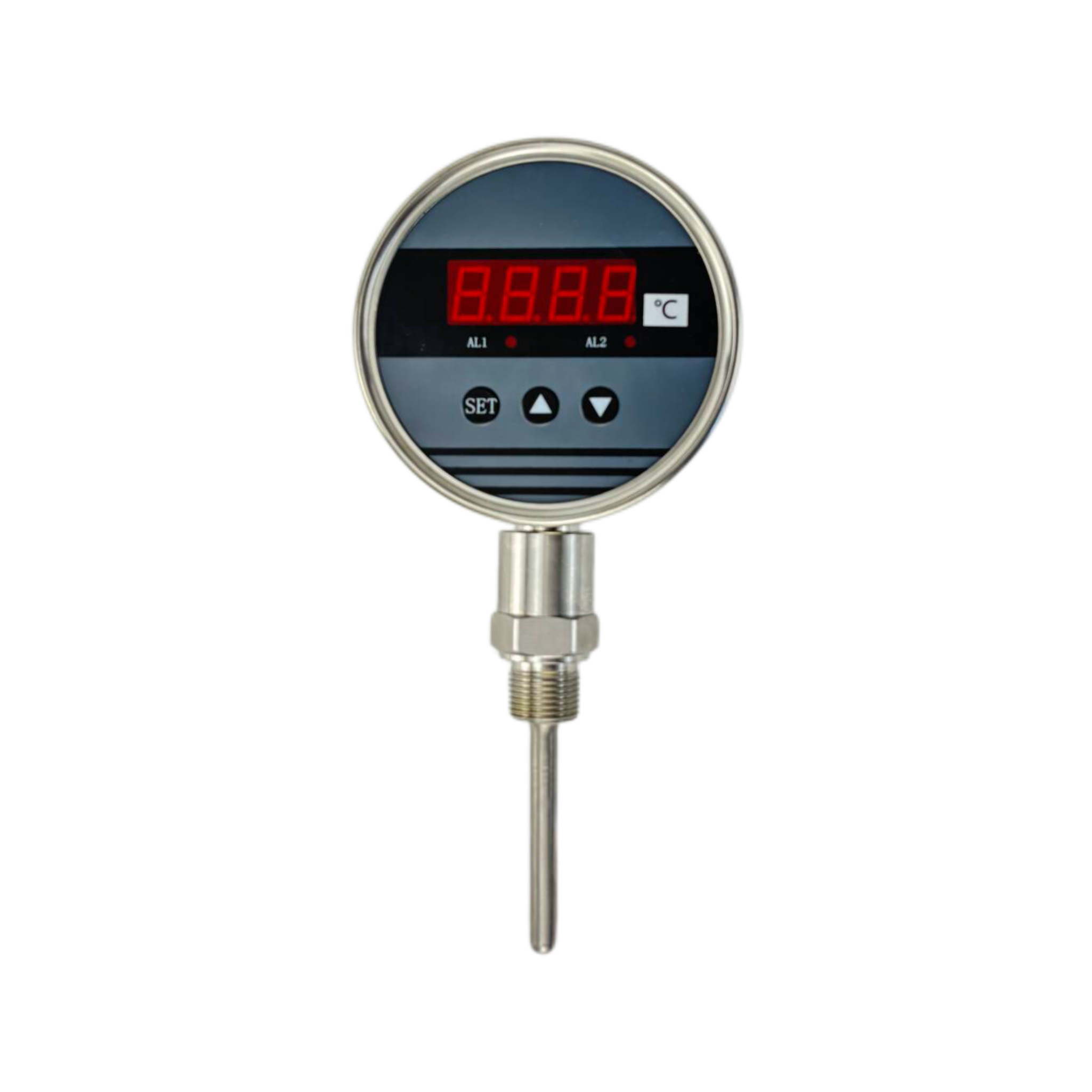
Digital Temperature Switch
The Digital Temperature Switch is a smart digital instrument that integrates temperature measurement, display, output, and control into one compact unit.
Read More Get A Quote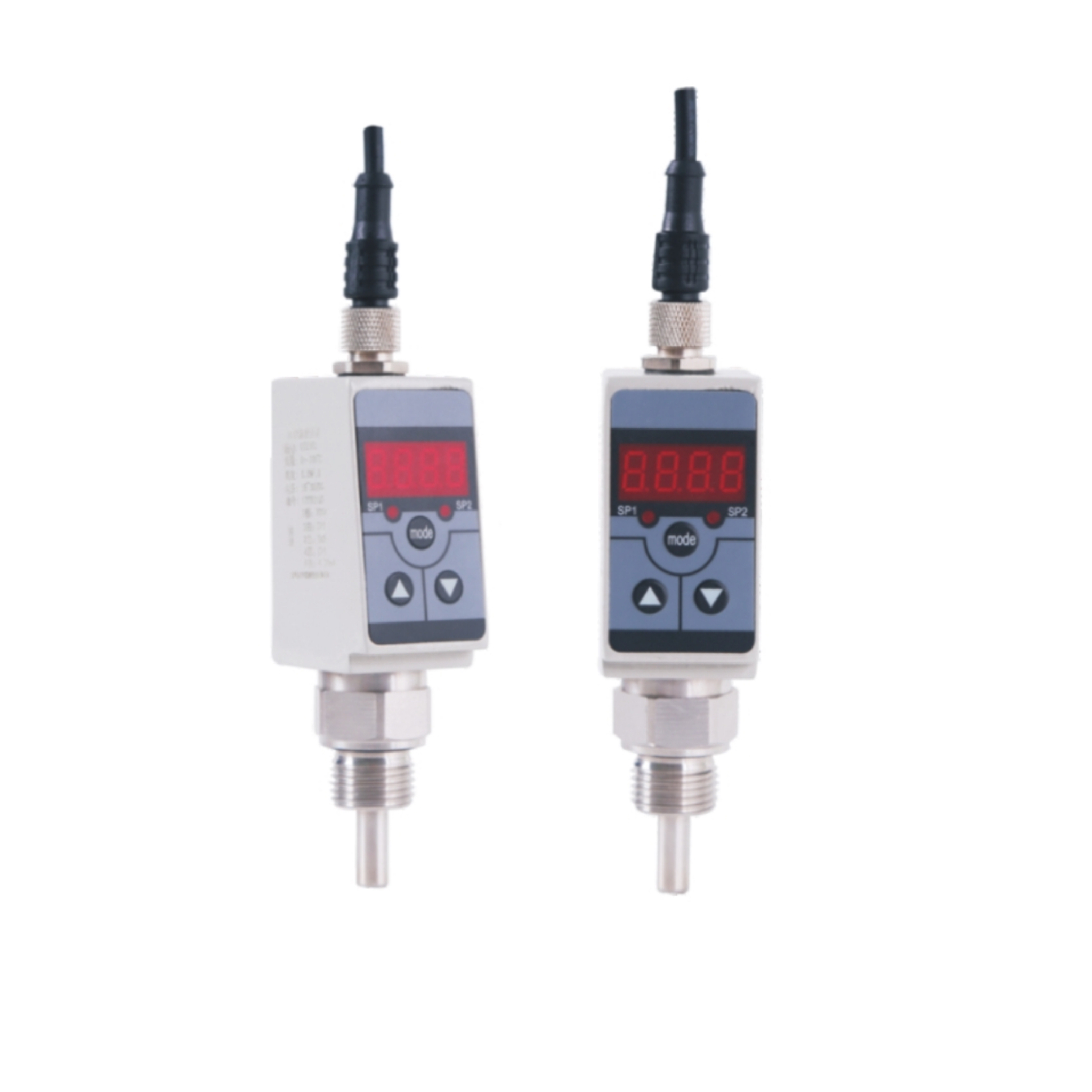
Compact Temperature Switch
The Compact Temperature Switch is a highly integrated, smart digital instrument designed for space-limited industrial environments.
Read More Get A Quote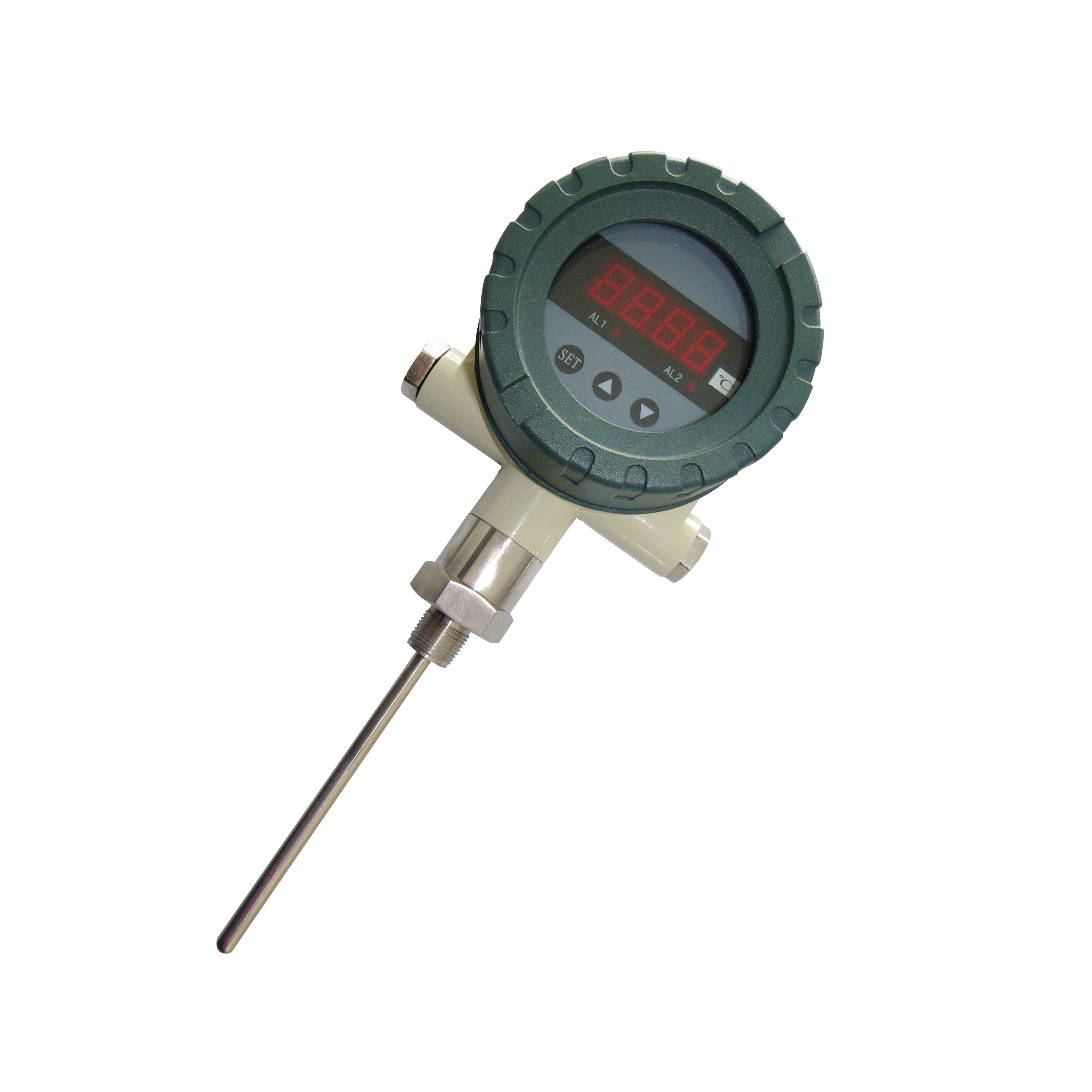
Explosion Proof Temperature Switch
Explosion Proof Temperature Switch, Hazardous Area Temperature Switch, Flameproof Temperature Controller, Ex db IIC T6 Temperature Switch, Industrial Explosion Proof Thermostat, Stainless Steel Temperature Switch
Read More Get A Quote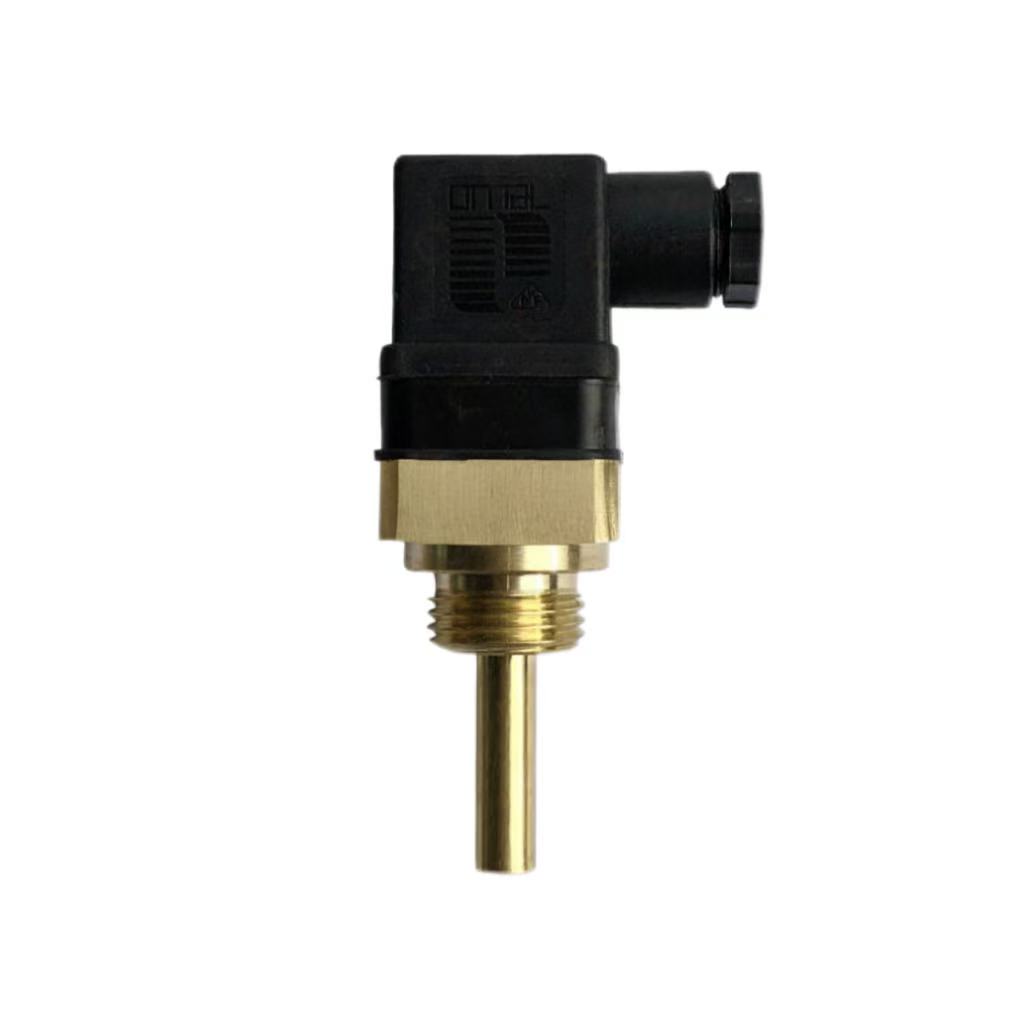
Mechanical Temperature Switch
The Mechanical Temperature Switch is a rugged and reliable sensing device designed for temperature monitoring in industrial fluid systems.
Read More Get A Quote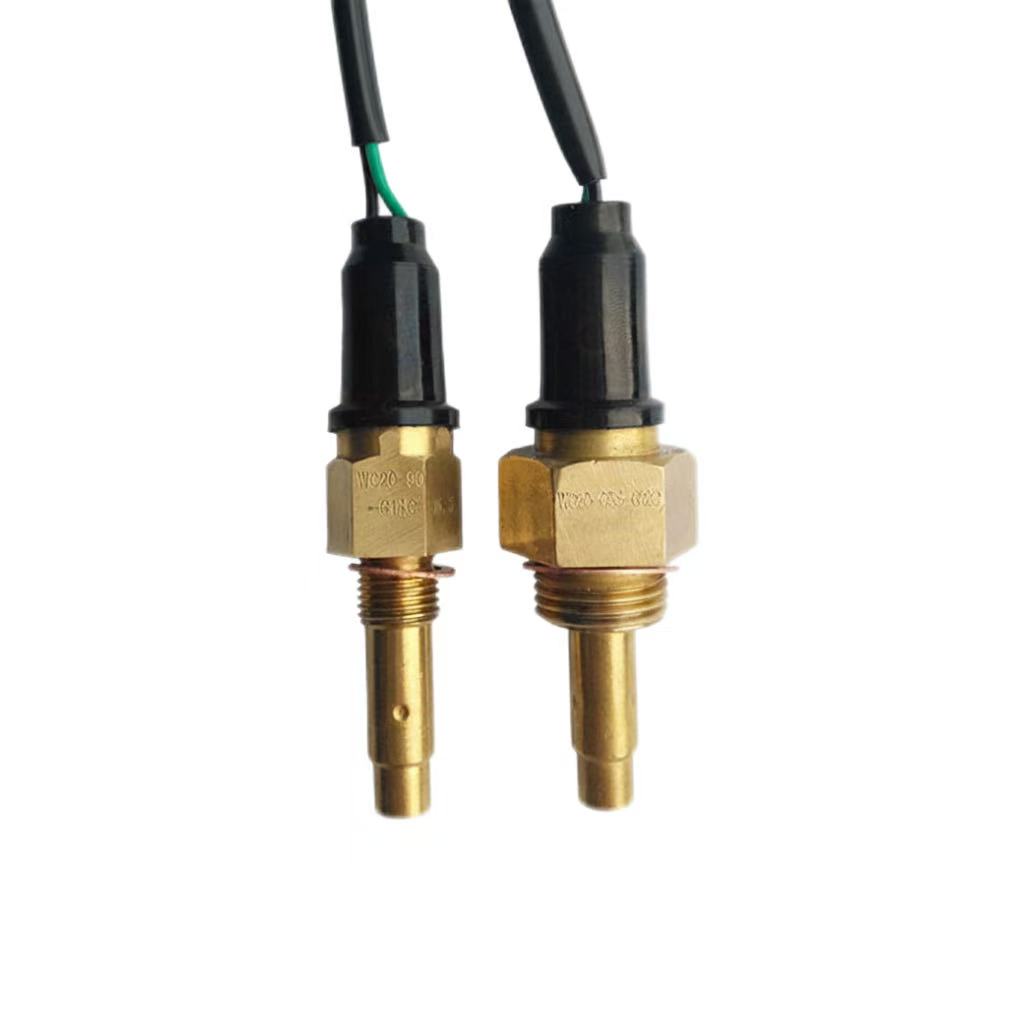
Mini Temperature Switch
The Mini Temperature Switch is an ultra-compact, mechanical thermal control solution designed for installations where space is at a premium.
Read More Get A Quote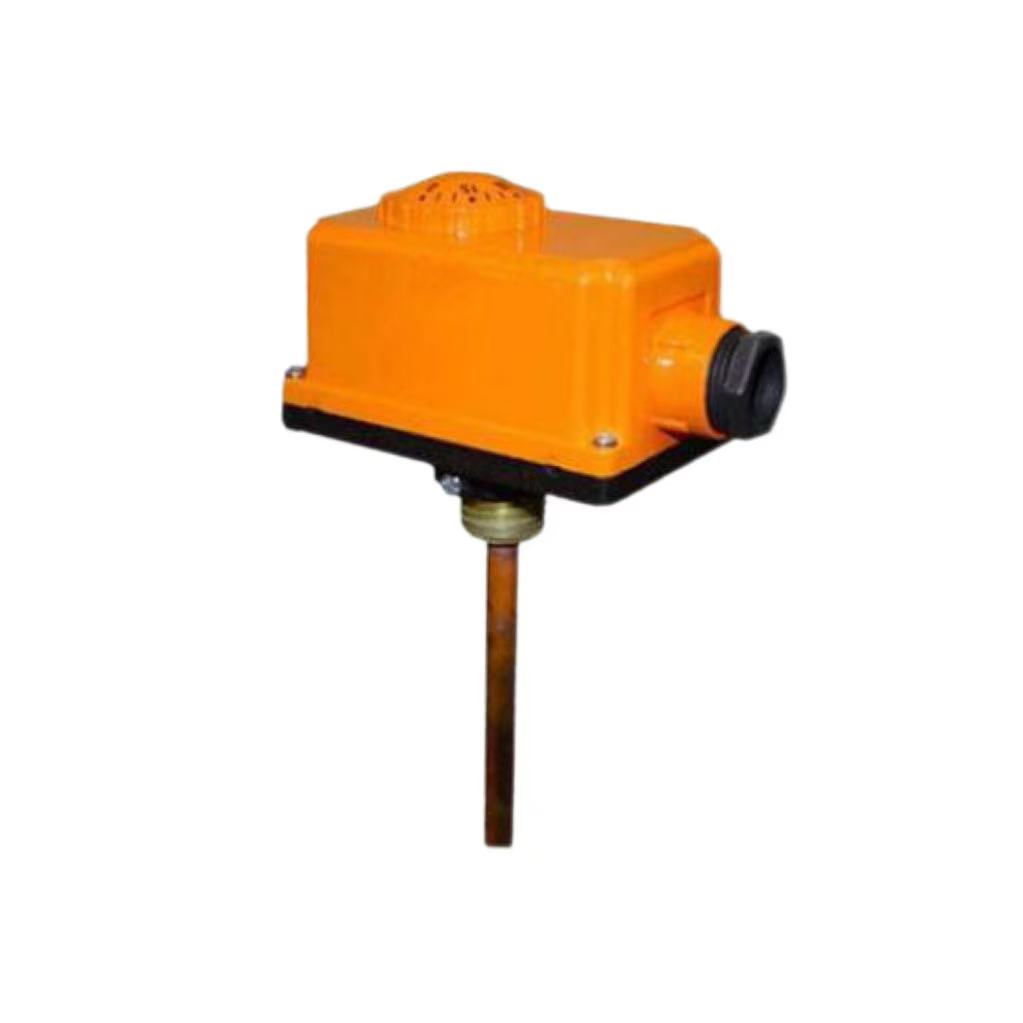
Adjustable Temperature Switch
The Adjustable Temperature Switch is a versatile liquid-expansion type temperature controller designed for precise thermal management in industrial systems. It features a robust, user-friendly external scale knob that allows for easy field adjustments of temperature setpoints. Built with a compact IP40 design and a high-capacity SPDT micro-switch (15A/250VAC), this device provides a reliable solution for monitoring temperature limits up to 210 degrees Celsius. Each unit comes complete with a tem
Read More Get A Quote
Marine Pressure Type Temperature Controller
The Marine Pressure Type Temperature Controller is a heavy-duty, high-precision instrument designed for the rigorous demands of maritime and industrial environments.
Read More Get A Quote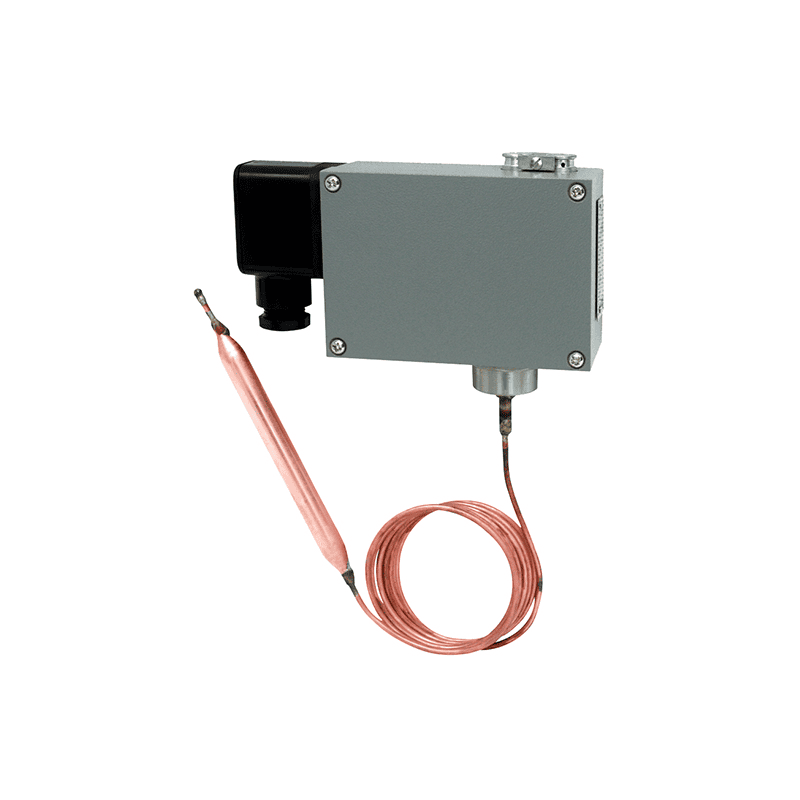
Dual Contact Temperature Switch
The ZINACA Dual Contact Temperature Switch features a capillary and bulb sensor for precise control of neutral gases and liquids.
Read More Get A Quote
How to Choose an Industrial Temperature Switch
Selecting the right industrial temperature switch requires careful consideration of the operating temperature, switching setpoint, sensor design, electrical contact configuration and installation conditions. Different temperature switch technologies are suitable for machinery protection, heating and cooling systems, hydraulic equipment and industrial process monitoring.
Before selecting a mechanical or electronic temperature switch, consider the following technical requirements:
Temperature range: Confirm the minimum, normal and maximum process temperatures and the required switching temperature.
Switching setpoint: Determine whether the temperature switch requires a fixed factory setting or an adjustable setpoint for field configuration.
Switching differential: Confirm the required hysteresis or reset temperature to avoid excessive switching during normal temperature fluctuations.
Contact configuration: Specify normally open (NO), normally closed (NC), SPDT, dual-contact or electronic switching outputs according to the control system.
Electrical requirements: Verify the supply voltage for electronic models and the contact voltage and current ratings for mechanical switches.
Process medium: Identify the measured liquid or gas and confirm compatibility with the sensing element, protective sleeve and process connection.
Sensor installation: Check the probe length, thread, bulb dimensions, capillary length and required mounting arrangement.
Operating environment: Consider ambient temperature, vibration, moisture, enclosure protection and hazardous-area classification where applicable.
Compare ZINACA Temperature Switch Models
ZINACA provides a range of mechanical and electronic temperature switches for industrial temperature monitoring and control. The following eight products offer different sensing principles, switching functions and mounting configurations.
1. Digital Temperature Switch
The Digital Temperature Switch combines electronic temperature measurement, local indication and switching control in a single instrument.
The product uses a temperature sensing element and microprocessor-based electronic circuitry to monitor process temperature and provide configurable switching functions.
Selected configurations include dual relay outputs, LED temperature indication and optional 4-20 mA or RS485 communication for integration with compatible industrial control systems.
Typical applications: Industrial machinery, hydraulic systems, chemical processing, water circulation equipment and automated temperature monitoring.
2. Compact Temperature Switch
The Compact Temperature Switch is an electronic temperature monitoring instrument designed for equipment with limited installation space.
It integrates a temperature sensor, digital display and electronic switching functions into a compact industrial housing.
The product series supports PNP switching outputs, with an additional analog output available in selected configurations. Its compact construction makes it suitable for OEM equipment and PLC-controlled machinery.
Typical applications: Hydraulic power units, lubrication systems, industrial pumps, compact machinery and automated production equipment.
3. Explosion Proof Temperature Switch
The Explosion Proof Temperature Switch is an electronic temperature monitoring and switching instrument designed for applications where a suitable explosion-protected enclosure is required.
The product combines temperature measurement, digital indication and configurable alarm or switching functions. Its construction is intended for compatible industrial process environments.
Typical applications: Oil and gas processing, chemical plants, industrial storage equipment and process installations requiring appropriately certified temperature instrumentation.
The explosion protection marking, certification, permissible installation area and electrical configuration must be confirmed for the exact product and destination market before ordering.
4. Mechanical Temperature Switch
The Mechanical Temperature Switch uses a bimetallic temperature sensing element to activate an electrical contact when the specified temperature is reached.
The mechanical switching mechanism does not require a separate electronic power supply. Depending on the selected configuration, the product provides normally open or normally closed electrical contacts.
This temperature switch is suitable for equipment requiring straightforward temperature limit detection without electronic programming.
Typical applications: Hydraulic systems, lubrication equipment, mechanical transmissions, cooling circuits and industrial machinery.
5. Mini Temperature Switch
The Mini Temperature Switch is a compact mechanical temperature sensing device designed for applications where installation space is restricted.
It uses a bimetallic sensing element and a factory-defined temperature switching point to provide a simple electrical contact output.
The product is suitable for compatible hydraulic, lubrication and transmission equipment. Available setpoints and thread configurations should be confirmed before ordering.
Typical applications: Compact hydraulic units, small lubrication systems, gearboxes, pump assemblies and OEM machinery.
6. Adjustable Temperature Switch
The Adjustable Temperature Switch uses a liquid-expansion sensing mechanism and an external adjustment knob for setting the required switching temperature.
As the temperature changes, the sensing fluid expands or contracts, producing a mechanical movement that operates the electrical switching contact.
The product provides an adjustable temperature control function and an SPDT switching contact. A compatible protective sleeve or thermowell arrangement supports installation into industrial fluid systems.
Typical applications: Hydraulic oil temperature monitoring, lubrication systems, transmission equipment, industrial heating and cooling control.
7. Marine Pressure Type Temperature Controller
The Marine Pressure Type Temperature Controller is a mechanical temperature control instrument using a temperature-sensitive bulb and capillary sensing system.
Temperature changes produce pressure variations within the sealed sensing system, which operate a mechanical switching element.
The controller is available with different housing arrangements and capillary lengths for suitable marine and industrial installations.
Typical applications: Marine engine rooms, shipboard refrigeration, industrial cooling systems, ventilation equipment and process temperature monitoring.
Specific marine classification approval or compliance requirements must be confirmed separately for the selected model.
8. Dual Contact Temperature Switch
The Dual Contact Temperature Switch uses a capillary and bulb temperature sensing system with two mechanical switching contacts.
The two-contact arrangement can support applications requiring separate temperature-related control signals, such as a cooling alarm and an additional equipment interlock.
The specific contact arrangement, switching sequence and available setpoint adjustment must be confirmed for the selected configuration.
Typical applications: Industrial boilers, lubrication systems, HVAC equipment, mechanical machinery and industrial temperature alarm circuits.
Mechanical vs. Electronic Temperature Switches
Mechanical and electronic temperature switches perform similar temperature threshold monitoring functions, but they differ in sensing principle, electrical configuration and adjustment method.
Mechanical Temperature Switch
A mechanical temperature switch operates through the physical response of a temperature-sensitive element, such as a bimetallic strip or a liquid-filled bulb and capillary assembly.
When the temperature reaches the switching point, the mechanism actuates an electrical contact. The mechanical sensing mechanism generally does not need a separate power supply.
Mechanical models are often selected for straightforward temperature limit monitoring, equipment interlocks and applications where digital configuration is unnecessary.
Electronic Temperature Switch
An electronic temperature switch uses a temperature sensor and electronic processing circuit to monitor temperature and control the output state.
Depending on the model, it may provide a digital display, programmable switching points, adjustable hysteresis, time delay functions and analog or digital communication options.
Electronic temperature switches are commonly used in PLC-based automation systems, industrial machinery and equipment requiring flexible switching configuration.
Fixed vs. Adjustable Temperature Switches
Fixed and adjustable temperature switches are suitable for different equipment designs and maintenance requirements.
Fixed Temperature Switch
A fixed temperature switch operates at a predetermined switching point established during manufacturing.
It is commonly used in OEM equipment where the required temperature limit is known and regular field adjustment is unnecessary.
Adjustable Temperature Switch
An adjustable temperature switch allows operators to change the switching point within the specified adjustment range.
Depending on the design, adjustment may be performed using a mechanical knob or electronic configuration buttons.
Adjustable models are useful when operating temperatures may vary between applications or when different equipment configurations require different switching settings.
Typical Industrial Applications of Temperature Switches
Hydraulic Oil Temperature Monitoring
Temperature switches are used to monitor hydraulic oil temperatures and provide signals when the fluid reaches specified limits.
They can be integrated into equipment control circuits to activate cooling systems, issue alarms or support protective interlocks.
Lubrication and Gearbox Systems
Lubrication systems require suitable operating temperatures to maintain appropriate oil properties and protect mechanical components.
Mechanical and electronic temperature switches can monitor oil temperatures in gearboxes, bearings, transmissions and industrial lubrication equipment.
HVAC and Refrigeration Systems
Temperature switches are used in heating, ventilation, air conditioning and refrigeration equipment to support temperature-related switching control.
Depending on the system design, the switching signal may be used for fan operation, temperature alarms or control of an external relay.
Industrial Pumps and Cooling Equipment
Industrial temperature switches can monitor cooling water, lubricating oil and equipment operating temperatures.
They provide switching signals for automated monitoring systems when the configured temperature threshold is reached.
Marine and Shipboard Equipment
Mechanical temperature controllers with bulb and capillary sensing systems are used in suitable marine cooling, refrigeration and engine room monitoring applications.
Environmental protection, vibration resistance, capillary length and any required marine approval should be evaluated for the specific installation.
Chemical and Process Industries
Temperature switches provide local or remote switching signals in chemical processing equipment, storage systems and industrial process installations.
The selected switch must be compatible with the process medium, temperature range and environmental requirements.
Temperature Switch vs. Temperature Controller vs. Temperature Transmitter
Temperature switches, controllers and transmitters perform different functions in an industrial temperature measurement system.
Temperature switch: Changes an electrical switching state when temperature reaches a specified threshold. Commonly used for alarms and interlocks.
Temperature controller: Compares the measured temperature with a setpoint and generates control outputs for regulating heating or cooling equipment.
Temperature transmitter: Converts a temperature sensor signal into a standardized electrical signal for continuous monitoring.
For continuous temperature measurement and signal transmission, explore our Industrial Temperature Transmitters.
For heating and cooling process regulation, visit our PID Temperature Controllers.
Temperature Switch OEM and Customization
ZINACA provides OEM and ODM options for applicable industrial temperature switch products.
Depending on the selected model and technical feasibility, available customization options may include:
Factory preset temperature switching points
Adjustable temperature ranges and hysteresis requirements
NO, NC, SPDT or compatible electronic outputs
Process connection threads and probe dimensions
Capillary length and sensing bulb configurations
Electrical connection and housing options
Customer logo, product labeling and private-label packaging
Customization availability depends on the sensor design, electrical switching mechanism and product configuration.
What Information Is Needed for a Temperature Switch RFQ?
To help ZINACA recommend a suitable temperature switch and prepare an accurate quotation, please provide the following technical requirements:
Temperature measuring range and required switching setpoint
Fixed or adjustable switching point
Required switching differential or reset temperature
Measured medium and maximum operating temperature
Mechanical or electronic temperature switch preference
Contact configuration: NO, NC, SPDT, dual-contact or PNP output
Supply voltage or electrical contact rating
Probe length, sensing bulb dimensions or capillary length
Process connection and installation arrangement
Environmental protection or explosion protection requirements, if applicable
Required quantity and delivery destination
Industrial Temperature Switch Frequently Asked Questions
What is the function of a temperature switch?
A temperature switch changes its electrical output state when the measured temperature reaches a configured threshold. It is commonly used for temperature alarms, equipment interlocks and heating or cooling control signals.
Does a mechanical temperature switch require an external power supply?
The mechanical temperature sensing and switching mechanism generally does not require an electronic power supply. However, the connected electrical circuit must operate within the specified contact voltage and current ratings.
What is the difference between NO and NC temperature switch contacts?
NO means normally open, while NC means normally closed. The actual switching behavior depends on the product design, defined normal condition and whether the switch operates on rising or falling temperature.
Can a digital temperature switch provide a 4-20 mA output?
Selected electronic temperature switch configurations provide an optional 4-20 mA signal in addition to switching outputs. Mechanical temperature switches generally provide electrical contacts rather than continuous analog temperature measurement.
What is a dual-contact temperature switch?
A dual-contact temperature switch contains two switching contacts that can support separate temperature-related control functions. The available setpoint arrangement, contact operation and switching sequence depend on the selected design.
Are all ZINACA temperature switches explosion-proof?
No. Explosion protection is specific to the selected product and configuration. For hazardous-area applications, confirm the applicable certificate, explosion protection marking and installation requirements before ordering.
Can ZINACA supply customized temperature switches?
ZINACA offers OEM and ODM options for applicable temperature switch models. Depending on the product, customization may include switching setpoints, contact configurations, process threads, sensor arrangements, cable or capillary lengths and private labeling.
Request an Industrial Temperature Switch Quotation
Looking for a digital, mechanical, adjustable or dual-contact temperature switch for industrial machinery, hydraulic equipment, HVAC systems or process monitoring?
ZINACA Instruments supplies industrial temperature switching and monitoring solutions for different operating conditions and installation requirements.
Send us your temperature range, switching setpoint, electrical contact requirements, process connection, installation conditions and required quantity. Our team will review suitable product configurations and prepare a quotation.
Contact ZINACA Instrumentsor emailsales@zinacainstruments.com.
 WhatsApp
 Email
 +8617320288925