What Is a Piston Flow Switch?
A piston flow switch is an inline mechanical device that detects when liquid or a suitable gas reaches a specified flow switching point. Flow moves a spring-loaded piston inside the body, causing a magnetic switching element to change contact state. The signal can be used for flow alarms, equipment interlocks and machine protection.
ZINACA offers piston flow switch configurations with plastic, aluminum and stainless steel housings for industrial flow monitoring. Choose a model according to the medium, flow setpoint, working pressure, temperature, mounting orientation and switch output. Explore the available product below for technical details.
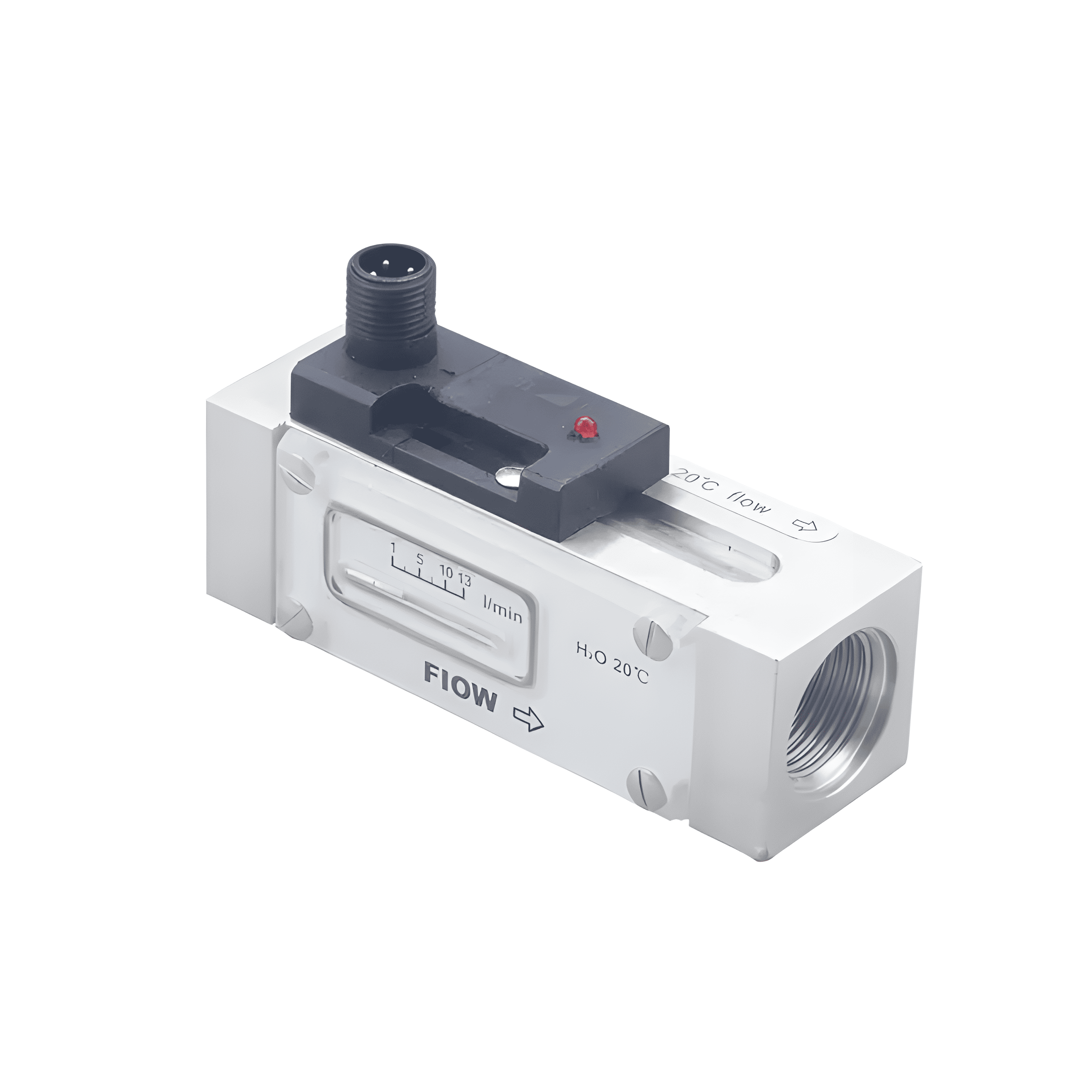
Piston Flow Switch
The Piston Flow Switch is a compact inline device for reliable liquid or gas flow monitoring.
Read More Get A Quote
How to Choose a Piston Flow Switch
Choosing a piston type flow switch starts with the flow rate that must trigger an alarm or interlock. Unlike a flow meter, a standard piston flow switch provides a switching signal rather than a continuous flow-rate reading.
Because switching behavior depends on the medium and installation conditions, the specified calibration conditions matter as much as the nominal flow setpoint. Confirm the correct configuration before ordering.
ZINACA Piston Flow Switch Options
Explore the ZNC-PSFS Piston Flow Switch product page for current technical information. The listed construction options include POM plastic, anodized aluminum and stainless steel housings. Actual pressure limits, wetted materials, seal compatibility and available flow settings must be verified for the selected version.
The product documentation describes a reed-switch output, factory-calibrated switching and an optional LED indication for applicable DC versions. Refer to the model-specific datasheet for wiring, electrical ratings and switch configuration.
Typical Industrial Applications
Machinery and process equipment: detect insufficient flow in cooling or auxiliary fluid circuits.
Pump and equipment protection: provide an on/off flow signal to an alarm or PLC interlock.
HVAC and refrigeration: monitor circulation in compatible coolant and water lines.
Hydraulic and lubrication circuits: confirm medium, viscosity, filtration and seal suitability before selection.
Compressed-air or gas systems: consider only where the chosen model is approved for the gas and the switching point is verified for the actual gas conditions.
What Specifications Should You Confirm?
For a reliable quotation and correct model selection, please provide:
Liquid or gas medium, viscosity and cleanliness, if relevant
Normal, minimum and maximum flow, plus the required switching point
Pipe size, connection thread and flow direction
Operating pressure, temperature and compatible wetted materials
Installation orientation and available mounting space
Required contact type, electrical load and power supply (if LED indication is needed)
Any application-specific environmental or hazardous-area requirements
Important: The currently published product specification references water calibration at 20°C in a horizontal installation. Changes in medium, orientation or temperature can affect the switching value. Gas setpoints must not be assumed from water-calibrated values.
How Does a Piston Flow Switch Work?
Flow through the switch body displaces an internal piston against a spring. A magnetic sensing arrangement changes the electrical contact state when the piston reaches the calibrated switching position. As flow decreases, the spring returns the piston and the contact changes state according to the device hysteresis. For the final switching values, follow the approved manual for the exact model.
Piston vs. Paddle vs. Thermal Flow Switch
Piston flow switch: an inline moving-piston design often considered for compact equipment and selected small-flow circuits.
Paddle flow switch: a vane inserted into a liquid pipeline, commonly used for circulation and pump interlocks.
Thermal flow switch: a heat-transfer sensing design with no moving piston or paddle, useful where the specified medium and flow range suit thermal detection.
The best choice depends on real operating conditions, including the flow threshold, allowable pressure loss, media compatibility and required installation method.
Frequently Asked Questions
Does a piston flow switch measure the flow rate?
Not continuously. A standard piston flow switch indicates whether the flow is above or below a specified switching threshold. For a measured and continuously displayed flow rate, select a suitable flow meter.
Can a piston flow switch be used for gas?
Some versions are described for liquid and gas applications. Gas compatibility and the required gas switching threshold must be confirmed for the specific model and operating conditions.
Is the switching point adjustable after installation?
Do not assume it is adjustable. The current ZINACA product page refers to factory-calibrated settings. Confirm any adjustment or alternative setpoint with the datasheet before ordering.
Request a Piston Flow Switch Quotation
Send ZINACA the medium, flow range, switching point, pressure, temperature, process connection and required switch output. We can review the available configuration and prepare a quotation.
Contact ZINACA Instruments or email sales@zinacainstruments.com.
 WhatsApp
 Email
Email
 +8617320288925