What Is an Industrial Temperature Transmitter?
An industrial temperature transmitter converts signals from temperature sensors, such as resistance temperature detectors (RTDs) and thermocouples, into standardized electrical signals for PLC, DCS and industrial monitoring systems. Depending on the model, available outputs may include 4-20 mA, HART or RS485 communication.
ZINACA offers field-mount, head-mount, DIN rail, digital, remote-mounted and integrated temperature transmitters for industrial process measurement. Our product range also includes dual-channel temperature measurement solutions and non-contact infrared temperature sensors for specialized applications.
Explore the products below to compare available configurations. Important selection factors include sensor type, measurement range, output signal, mounting method, power supply, process conditions and communication requirements.
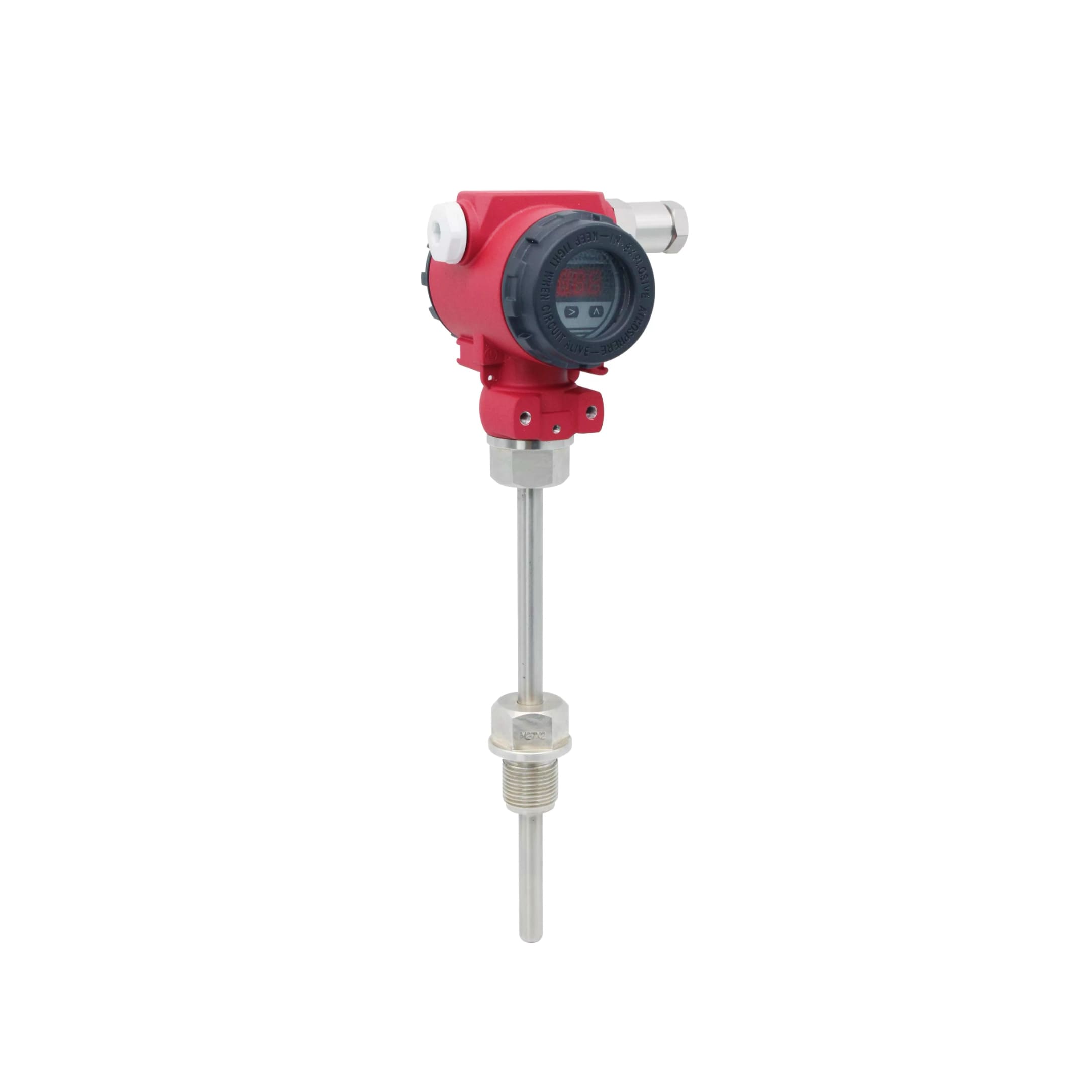
Field Mount Temperature Transmitter
The field mount temperature transmitter integrates sensing and signal output in a compact, waterproof, or explosion-proof design for accurate temperature measurement.
Read More Get A Quote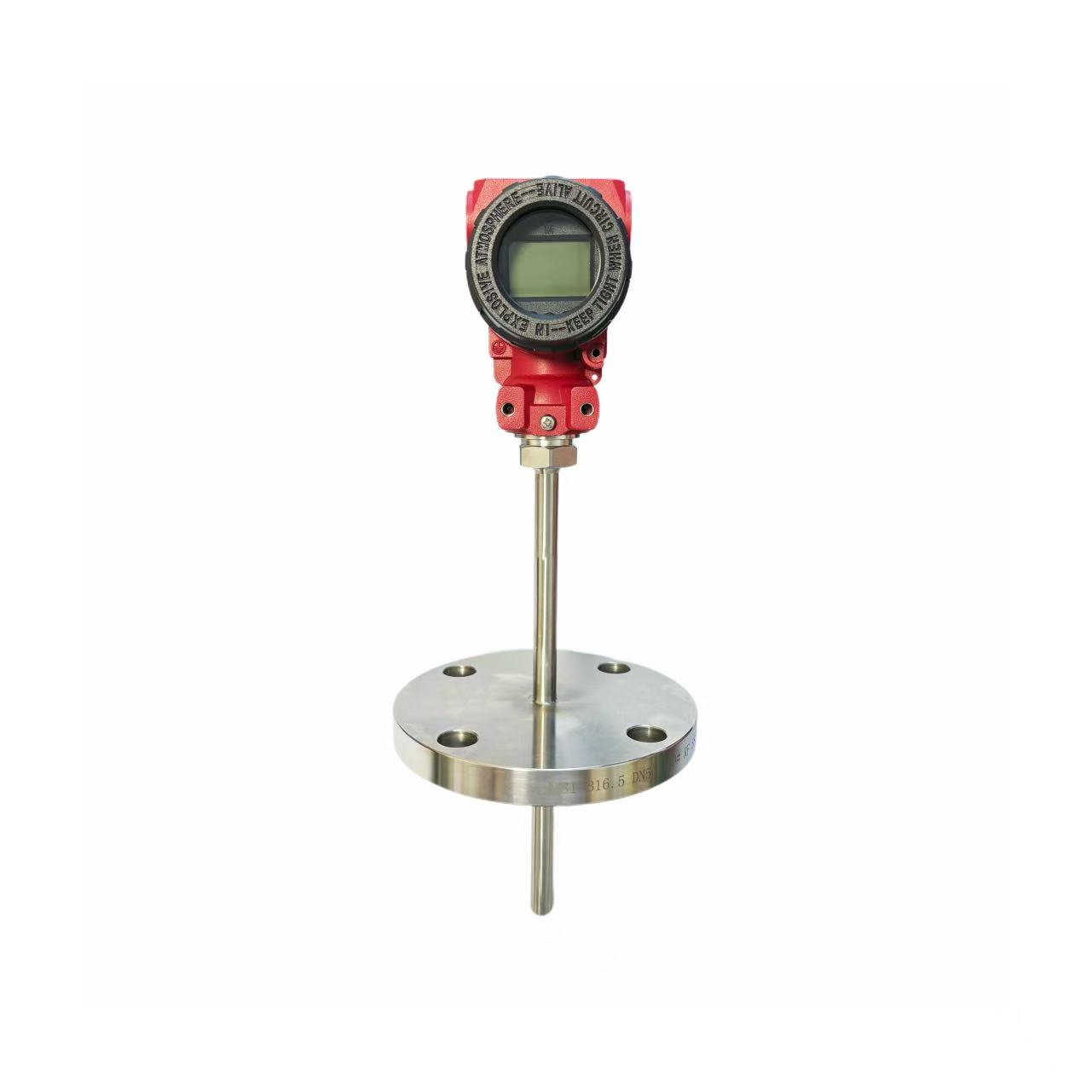
Digital Temperature Transmitter
The digital temperature transmitter is designed for accurate and reliable temperature measurement in industrial automation.
Read More Get A Quote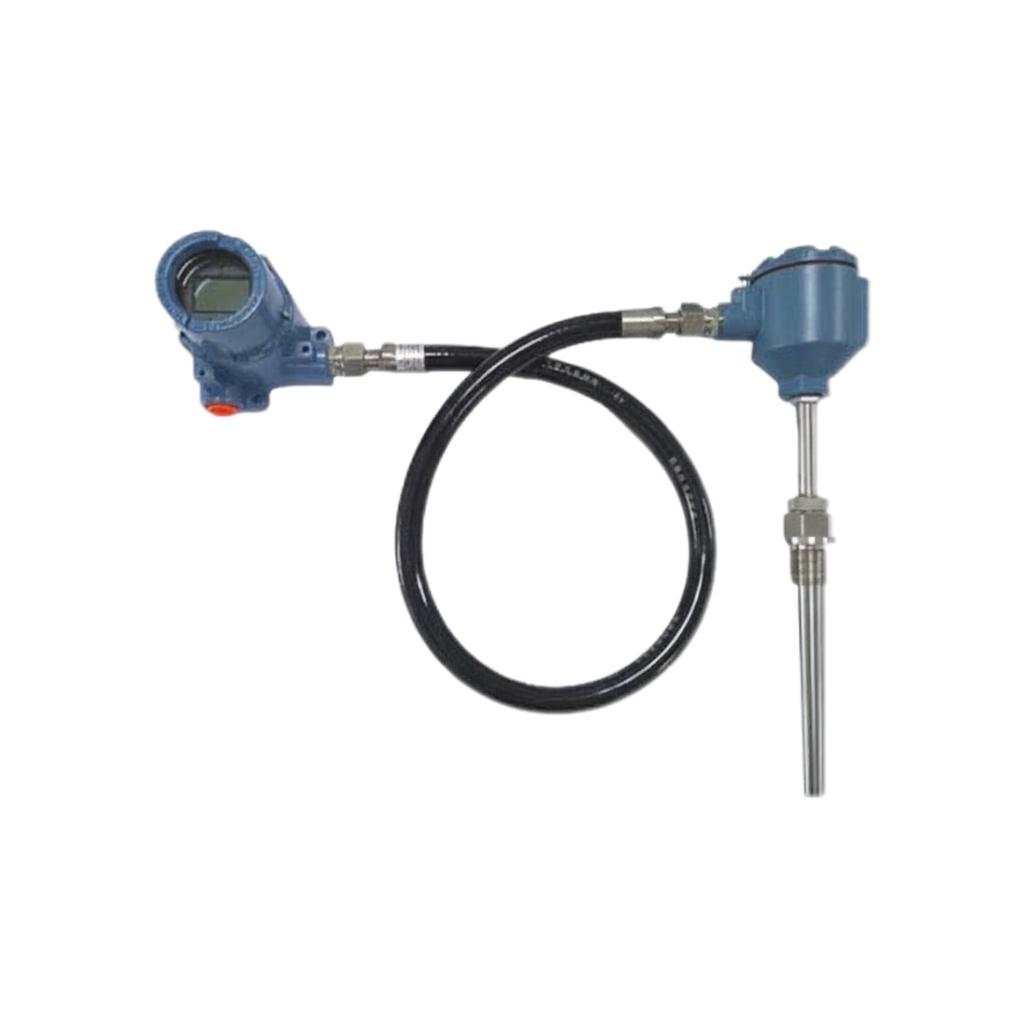
Remote Mounted Temperature Transmitter
The Remote Mounted Temperature Transmitter with Local Display, ideal for high-temperature or elevated installations, ensuring reliable monitoring and long service life.
Read More Get A Quote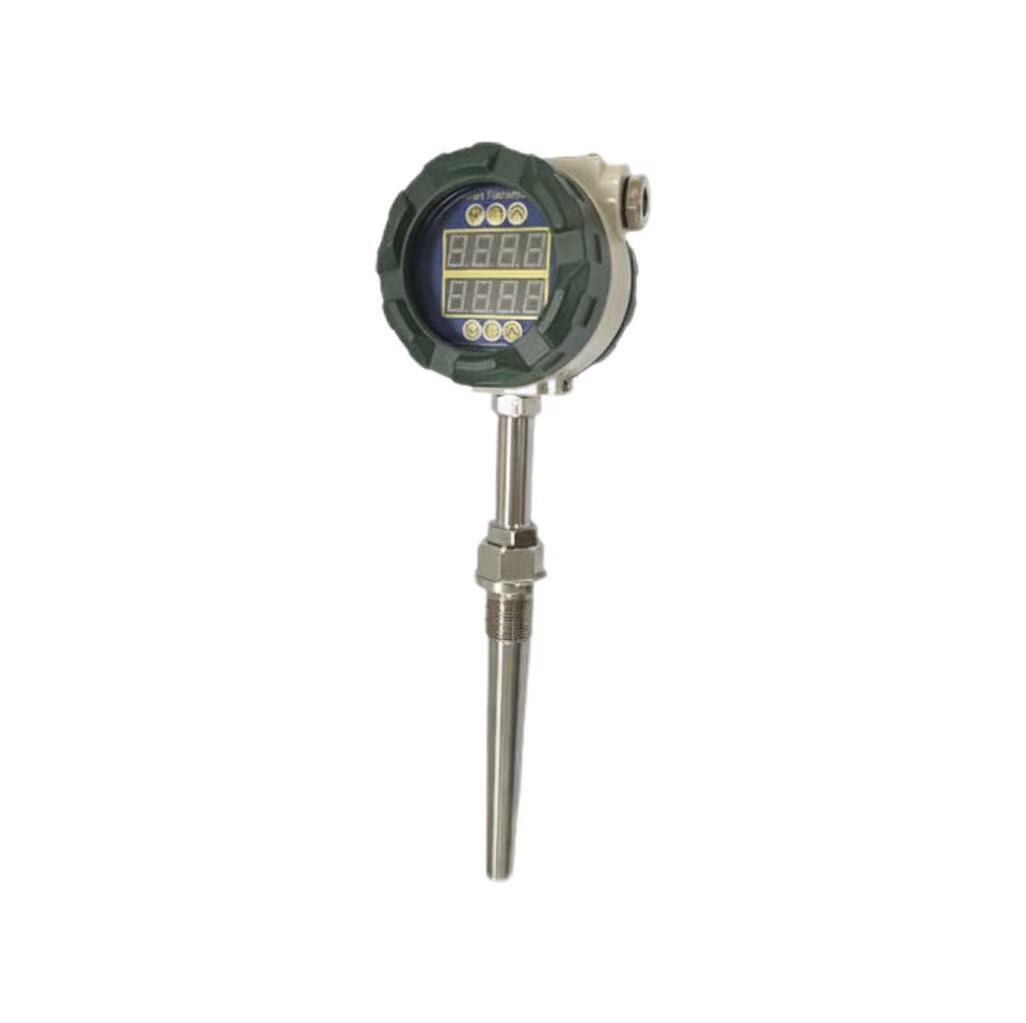
Dual-Compartment Temperature Transmitter
The High-reliability Dual Channel Temperature Transmitter with Dual Display, ensuring independent, safe, and accurate process monitoring.
Read More Get A Quote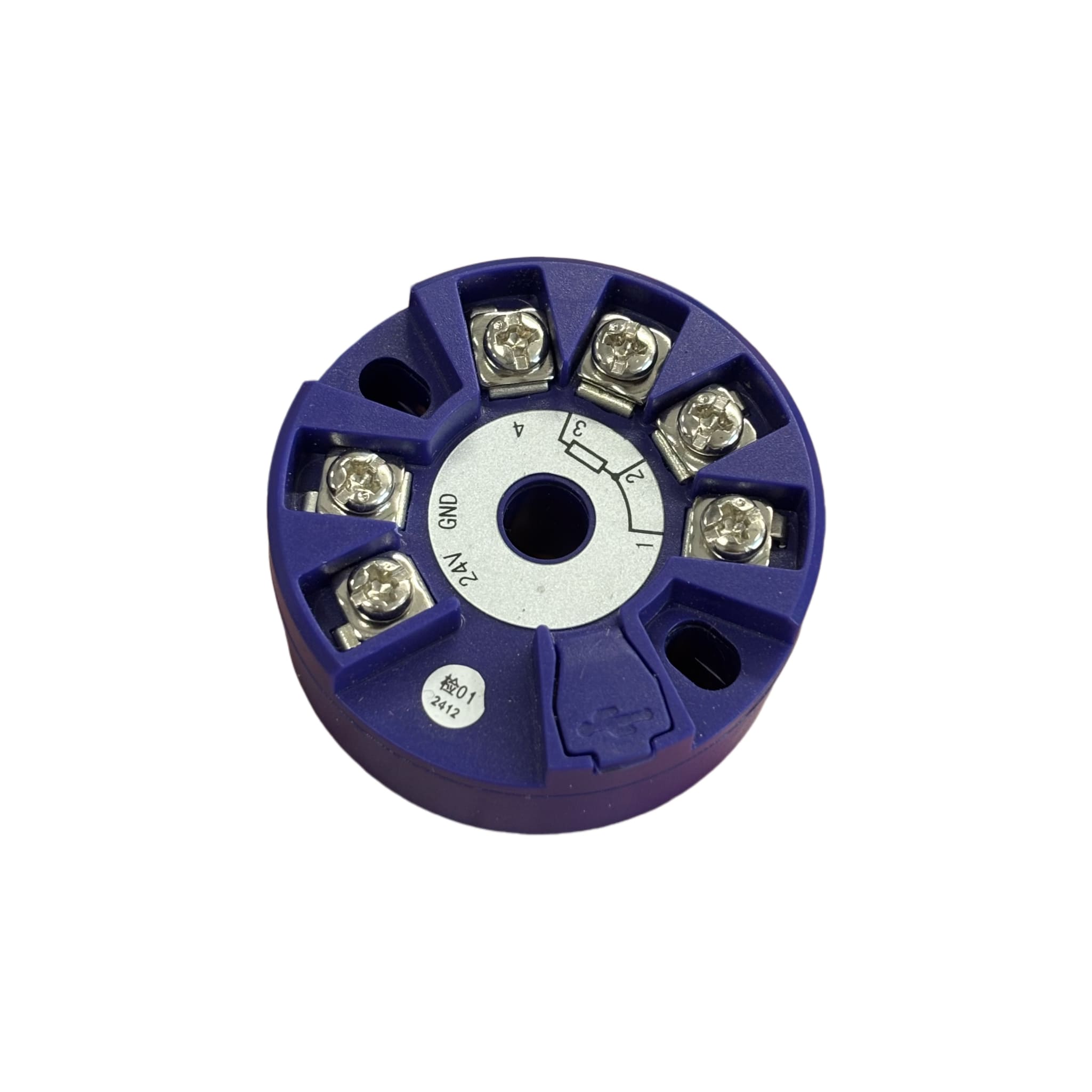
Head-Mount Temperature Transmitter
The Head-Mount Temperature Transmitter, often referred to as a Hockey-Puck Transmitter, is a compact device specifically designed for direct installation inside the terminal head (junction box) of a temperature sensor.
Read More Get A Quote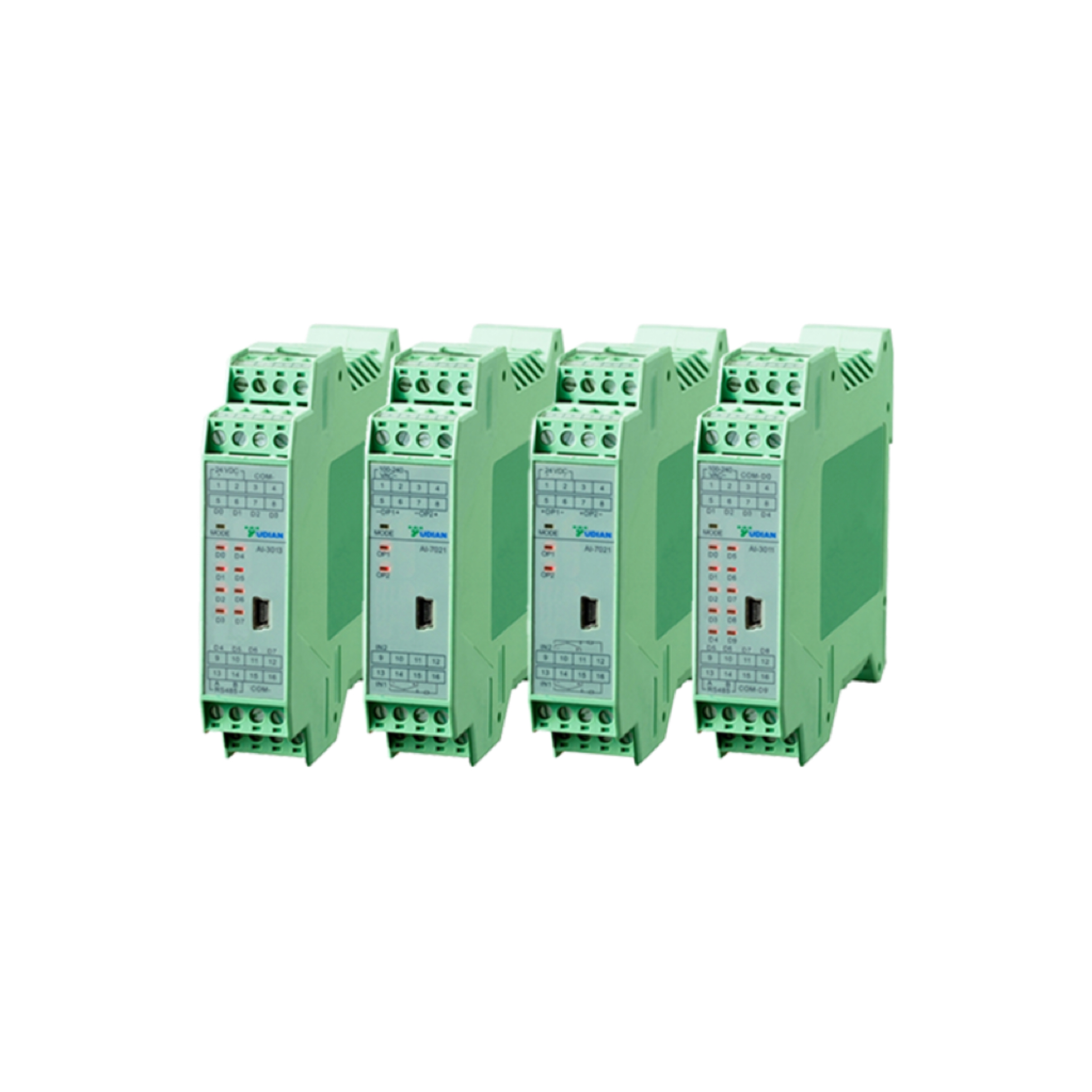
DIN Rail-Mount Temperature Transmitter
The DIN Rail-Mount Temperature Transmitter is a high-performance instrument specifically designed for centralized installation inside industrial control cabinets or distribution panels.
Read More Get A Quote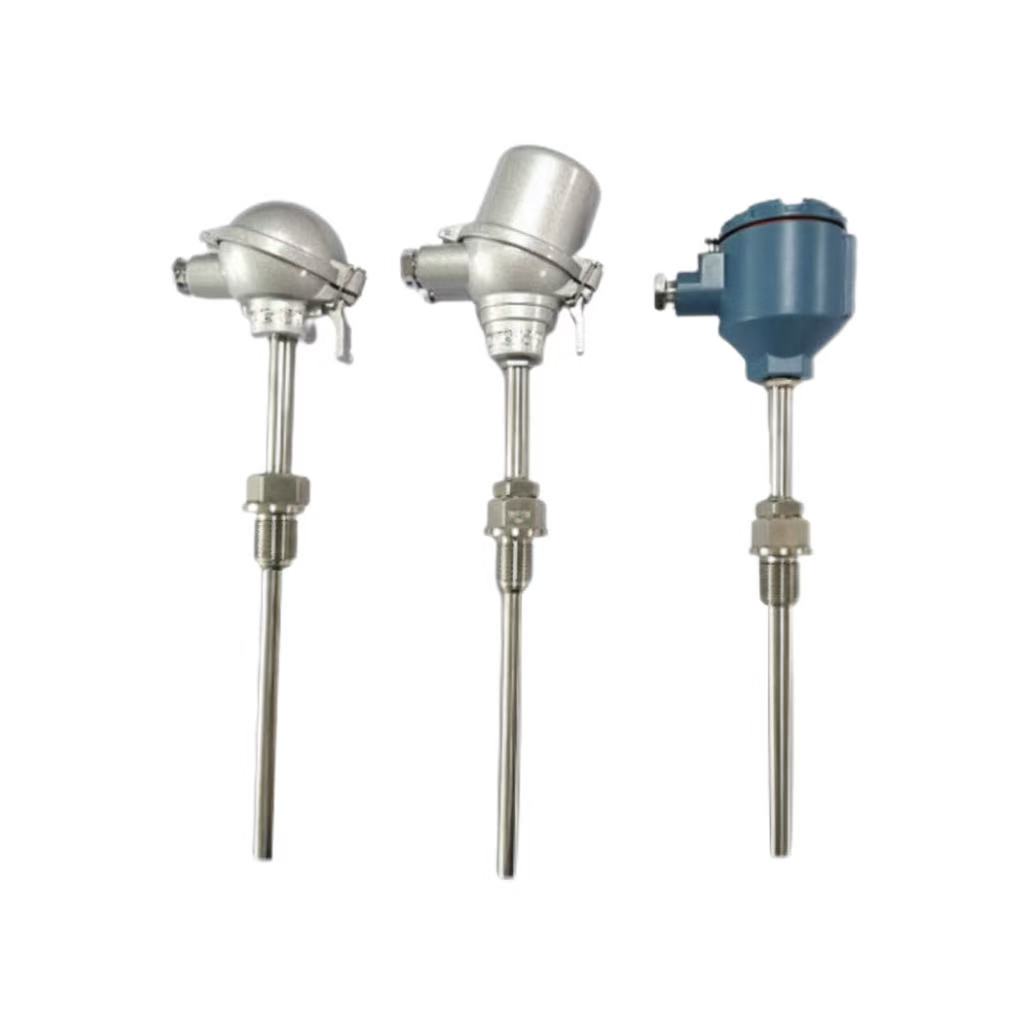
Integrated Temperature Transmitter
The Integrated Temperature Transmitter is an industrial instrument that highly integrates the temperature sensing element (RTD or Thermocouple) with the signal transmitter module.
Read More Get A Quote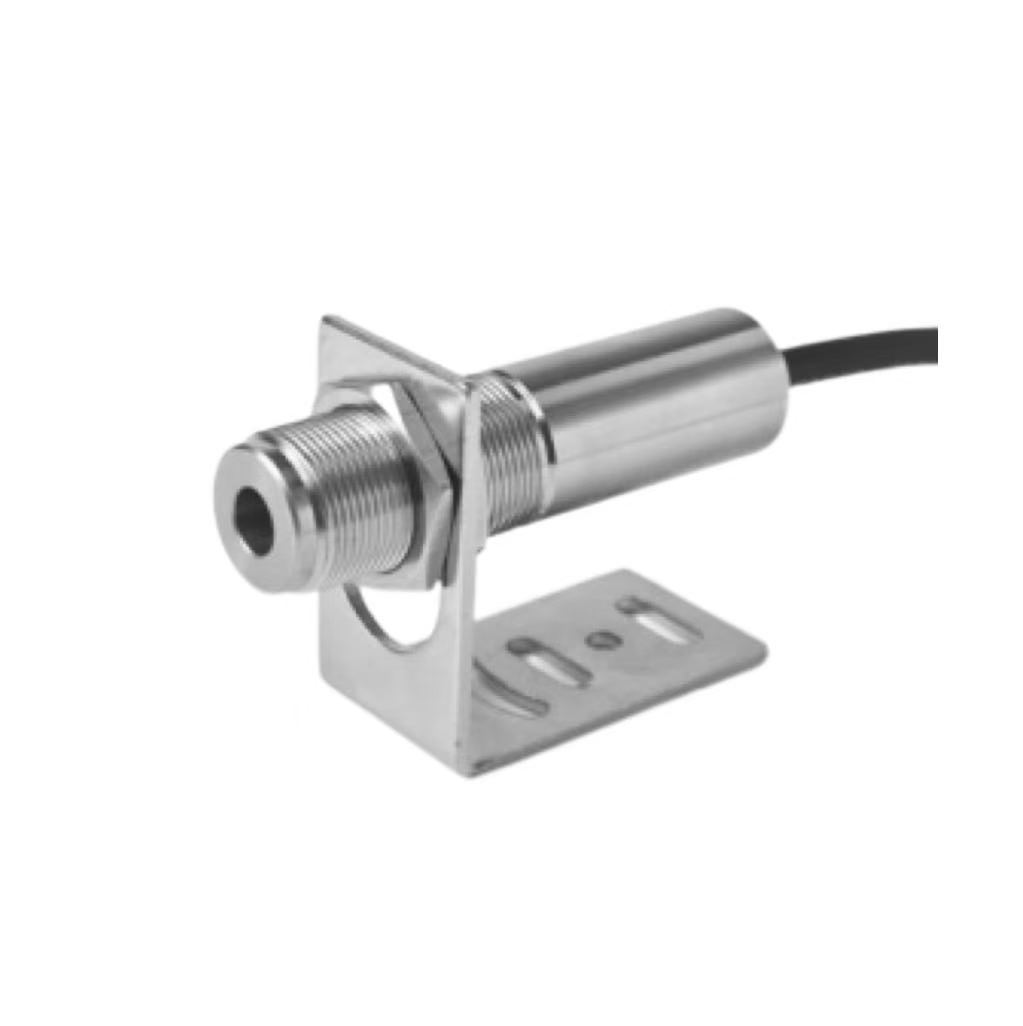
Infrared Temperature Sensor
ZNC-IRS infrared temperature sensor provides non-contact measurement with 4-20mA, 0-5V or RS485 output, IP65 protection and 20:1 optics.
Read More Get A Quote
How to Choose an Industrial Temperature Transmitter
Selecting the right industrial temperature transmitter requires matching the sensor input, measuring range, output signal and mounting configuration to the actual process conditions. A properly selected transmitter helps convert low-level temperature sensor signals into reliable measurements for industrial automation systems.
Before choosing a temperature transmitter, engineers and purchasing teams should consider the following technical factors:
Sensor input: Confirm whether the application uses a Pt100 RTD, another resistance sensor or a thermocouple such as Type K, J, T, S or R.
Temperature range: Specify the required measuring and calibrated ranges in degrees Celsius or Fahrenheit.
Output signal: Select 4-20 mA, HART or RS485 according to the available transmitter configuration and PLC or DCS requirements.
Mounting method: Choose head-mount, DIN rail, field-mount, integrated or remote installation according to the sensor arrangement and available space.
Measurement accuracy: Evaluate transmitter accuracy, sensor accuracy, temperature drift and the required performance of the complete measuring system.
Power supply: Confirm operating voltage, two-wire or four-wire configuration and the available supply capacity.
Installation environment: Consider ambient temperature, vibration, moisture, electrical interference and any hazardous-area requirements.
Display and configuration: Determine whether local indication, programmable ranges or digital communication functions are required.
Compare ZINACA Temperature Transmitter Models
ZINACA provides temperature measurement solutions for different industrial installation and control requirements. The following products cover conventional RTD and thermocouple signal conversion, remote monitoring, cabinet installation and specialized temperature sensing applications.
1. Field-Mount Temperature Transmitter
The Field-Mount Temperature Transmitter is designed for industrial temperature measurement using compatible RTD and thermocouple inputs.
The product series offers 4-20 mA, HART and RS485 output configurations, making it suitable for integration into industrial process monitoring and control systems. Selected versions also support local digital indication.
Typical applications: Chemical processing, oil and gas facilities, power generation, industrial pipelines and plant temperature monitoring.
2. Digital Temperature Transmitter
The Digital Temperature Transmitter uses electronic signal processing and compensation to convert RTD or thermocouple inputs into industrial output signals.
The series provides two-wire 4-20 mA or RS485 Modbus RTU output options, with selected LED or LCD display configurations. Depending on the model, users can configure measurement ranges and related parameters.
Typical applications: Industrial automation, process temperature monitoring, chemical equipment, power generation and digital measurement systems.
3. Remote-Mounted Temperature Transmitter
The Remote-Mounted Temperature Transmitter provides a separated mounting arrangement for industrial temperature monitoring.
Remote installation allows the temperature sensing point and associated display or transmitter equipment to be positioned according to process and maintenance requirements.
This arrangement may be considered when installation directly at the measuring point is impractical because of elevated temperatures, limited access or equipment layout.
Typical applications: Petrochemical facilities, industrial furnaces, elevated equipment installations, power generation and process monitoring.
4. Dual-Compartment Temperature Transmitter
The Dual-Compartment Temperature Transmitter offers multiple temperature measurement and indication configurations for industrial process monitoring.
Depending on the selected configuration, the product supports combinations of temperature measurement channels, local indication and electrical output signals.
For applications requiring independent measurement channels or integration into safety-related systems, the channel configuration, diagnostic functions and applicable product certification must be verified.
Typical applications: Process monitoring, chemical plants, petrochemical equipment and industrial automation systems requiring multiple temperature signals.
5. Head-Mount Temperature Transmitter
The Head-Mount Temperature Transmitter, also known as a hockey-puck transmitter, is designed for installation inside the connection head of a compatible RTD or thermocouple assembly.
It converts the sensor input into a standardized 4-20 mA signal and supports HART communication in applicable configurations.
The compact mounting arrangement reduces the need for a separate field enclosure and supports direct integration with conventional industrial temperature sensing assemblies.
Typical applications: Industrial pipelines, process vessels, chemical plants, heat exchangers and OEM temperature measurement assemblies.
6. DIN Rail-Mount Temperature Transmitter
The DIN Rail-Mount Temperature Transmitter is designed for installation inside industrial control cabinets and automation panels.
The programmable input system supports various thermocouples, RTDs and selected linear voltage or current signals. It converts the input into a configurable output signal for industrial monitoring systems.
DIN rail mounting provides organized installation, convenient access and efficient use of control cabinet space.
Typical applications: PLC cabinets, DCS panels, industrial signal conditioning, temperature acquisition and process automation.
7. Integrated Temperature Transmitter
The Integrated Temperature Transmitter combines a temperature sensing element with an electronic transmitter assembly.
The integrated design converts the RTD or thermocouple signal directly into a standardized 4-20 mA output. Selected configurations also support HART digital communication.
This solution simplifies temperature measurement integration and may reduce the need for long runs of low-level sensor wiring.
Typical applications: Process pipelines, storage tanks, industrial machinery, chemical processing and general temperature monitoring.
8. Infrared Temperature Sensor
The ZNC-IRS Infrared Temperature Sensor provides non-contact surface temperature measurement for industrial machinery and automated production lines.
Unlike conventional RTD and thermocouple transmitters, it measures thermal radiation from a target surface without requiring physical contact.
Available output configurations include 4-20 mA, 0-5 V and RS485. The appropriate measuring range, target emissivity and measuring distance must be considered during selection.
Typical applications: Industrial production lines, non-contact surface monitoring, heat-treatment equipment, glass manufacturing and machinery temperature measurement.
RTD vs. Thermocouple Temperature Transmitters
Both RTDs and thermocouples are widely used temperature sensors, but their electrical characteristics and application requirements differ.
RTD Temperature Transmitters
An RTD measures temperature through the change in electrical resistance of a sensing element, commonly platinum.
A Pt100 temperature transmitter measures the RTD resistance and converts it into an industrial electrical output.
RTDs are commonly selected for applications requiring good repeatability and measurement stability over a suitable temperature range.
Explore our Industrial RTD Temperature Sensors for compatible sensing elements.
Thermocouple Temperature Transmitters
A thermocouple generates a small voltage related to the temperature difference between its measuring junction and reference junction.
A thermocouple transmitter converts this signal into a standardized output and applies suitable compensation and linearization according to the configured thermocouple type.
Thermocouples are widely used for industrial furnaces, heat-treatment equipment and high-temperature process measurement.
Visit our Industrial Thermocouples category for related sensing assemblies.
4-20 mA vs. HART vs. RS485 Temperature Transmitters
Industrial temperature transmitters may provide analog or digital communication signals. The appropriate output depends on the control system architecture and required functionality.
4-20 mA Temperature Transmitter
A 4-20 mA transmitter provides a continuous current signal proportional to the configured temperature span.
This output is commonly used with PLC and DCS analog input modules for industrial temperature monitoring.
HART Temperature Transmitter
HART communication allows supported digital information and configuration functions to be transmitted over a compatible 4-20 mA current loop.
Depending on the transmitter model, HART may support parameter configuration, diagnostics and access to measurement information.
RS485 Temperature Transmitter
RS485 provides a physical communication interface for industrial digital networks. Selected ZINACA temperature transmitters support Modbus RTU communication through an RS485 interface.
When selecting an RS485 transmitter, confirm the communication protocol, power supply, wiring arrangement, device address and register mapping.
Not every ZINACA temperature transmitter supports all output types. The available interface must be confirmed for the selected model and configuration.
Typical Industrial Applications of Temperature Transmitters
Oil and Gas Processing
Temperature transmitters provide process temperature signals for pipelines, storage equipment, heat exchangers and industrial processing systems.
Suitable sensors and transmitters can be integrated with PLC or DCS systems to support continuous process monitoring.
Chemical and Petrochemical Plants
Temperature measurement is important for reactors, mixing vessels, heat transfer systems and chemical production equipment.
Sensor materials, protective thermowells and transmitter installation conditions must be selected according to the actual process.
Power Generation and Boilers
Industrial temperature transmitters are used to monitor steam systems, cooling water, auxiliary machinery and thermal processes.
The sensor type, process temperature and installation arrangement should be evaluated for each measuring point.
Food and Beverage Processing
Temperature transmitters can provide continuous measurement signals for heating, cooling, mixing and food processing operations.
Where hygienic requirements apply, the sensing assembly and process connection must be selected for the appropriate cleaning and material requirements.
Industrial Automation and OEM Machinery
Head-mount and DIN rail temperature transmitters are often used in industrial automation systems where reliable sensor signal conversion and convenient electrical integration are required.
Compact and configurable transmitters can simplify integration into control panels, production machinery and OEM equipment.
Temperature Transmitter vs. Temperature Controller
Temperature transmitters and temperature controllers serve different functions in industrial temperature measurement and automation.
Temperature transmitter: Converts a temperature sensor signal into an electrical output for monitoring or process control systems.
Temperature controller: Compares the measured temperature with a configured setpoint and generates control outputs to regulate heating or cooling equipment.
Temperature switch: Provides a switching signal when a configured temperature threshold is reached.
For closed-loop heating or cooling applications, explore our Industrial Temperature Controllers.
For temperature alarms and limit detection, visit our Temperature Switches category.
Temperature Transmitter OEM and Customization
ZINACA offers OEM and ODM options for applicable industrial temperature transmitter products.
Depending on the selected model and technical feasibility, customization options may include:
RTD and thermocouple input configurations
Custom measuring and calibrated ranges
4-20 mA or supported digital output options
Local display and mounting configurations
Sensor assembly and electrical connection requirements
Customer logo, product identification and private-label packaging
Please provide your technical requirements and estimated order quantity so that our team can evaluate available configurations.
What Information Is Needed for a Temperature Transmitter RFQ?
For accurate product selection and quotation, please provide the following information:
Sensor input type: Pt100, Pt1000, thermocouple or other signal
Measurement range and calibrated output range
Required output: 4-20 mA, HART or RS485
Supply voltage and connection method
Mounting: head-mount, DIN rail, field-mount or integrated
Operating environment and ambient temperature
Required accuracy and local display
Sensor cable and wiring requirements
Quantity and destination country
Temperature Transmitter Frequently Asked Questions
What is the function of a temperature transmitter?
A temperature transmitter converts signals from temperature sensors into standardized electrical signals for industrial monitoring and automation systems.
Can one temperature transmitter support both RTD and thermocouple inputs?
Selected universal-input temperature transmitters support both RTD and thermocouple signals. The actual supported types and wiring arrangements depend on the product model and configuration.
What is the difference between a head-mount and DIN rail temperature transmitter?
A head-mount transmitter is installed inside a temperature sensor connection head, while a DIN rail transmitter is mounted inside a control cabinet. Selection depends on the installation layout, wiring architecture and environmental conditions.
Can a temperature transmitter connect directly to a PLC?
Yes. Temperature transmitters with compatible 4-20 mA or digital outputs can be connected to corresponding PLC input modules. The transmitter output and communication requirements must match the PLC hardware.
Can ZINACA provide customized temperature transmitters?
ZINACA supports OEM and ODM requirements for applicable temperature transmitter models. Available customization may include input configuration, measuring range, electrical output, mounting method and product branding.
Are all ZINACA temperature transmitters suitable for hazardous areas?
No. Hazardous-area suitability depends on the exact transmitter model, protection method and applicable certification. The required installation classification and destination-market acceptance must be confirmed before selection.
Request an Industrial Temperature Transmitter Quotation
Looking for temperature transmitters for industrial automation, chemical processing, power generation, OEM equipment or process monitoring?
ZINACA Instruments supplies temperature measurement solutions with multiple sensor input, mounting and output configurations. Our team can review your technical specifications and recommend suitable product options.
Send us your sensor type, temperature range, output signal, mounting method, power supply and required quantity for quotation.
Contact ZINACA Instrumentsor emailsales@zinacainstruments.com.
 WhatsApp
 Email
 +8617320288925