What Is a Thermal Flow Switch?
A thermal flow switch is an electronic device that detects changes in fluid movement using the heat-transfer (thermal dispersion) principle. Unlike a mechanical paddle or piston switch, its sensing probe has no moving parts. When flow reaches the configured switching point, the device sends a signal for an alarm, PLC input or equipment interlock.
ZINACA offers thermal flow switches for compatible water, oil and gas applications, including stainless steel, digital display, combined flow-and-temperature and specialized probe designs. Explore the models below for pump protection, cooling-water circulation and industrial flow monitoring. Selection depends on the medium, flow threshold, pressure, temperature, process connection and output requirements.
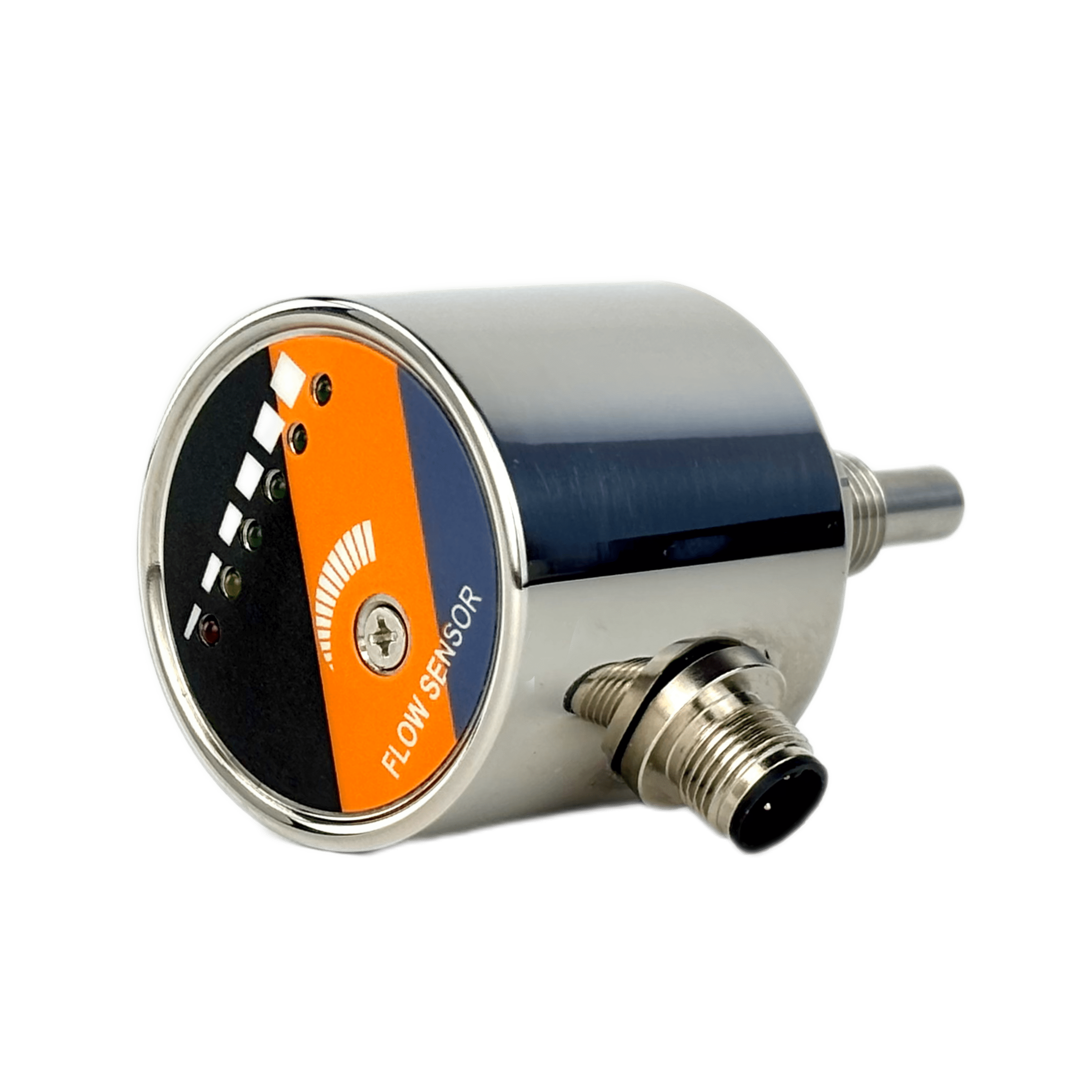
ZNC-FRC-S Stainless Steel Thermal Flow Switch
The ZNC-FRC-S Stainless Steel Thermal Flow Switch is a high-precision electronic monitoring device designed for the reliable detection of flow status in liquid, gas, or oil pipelines.
Read More Get A Quote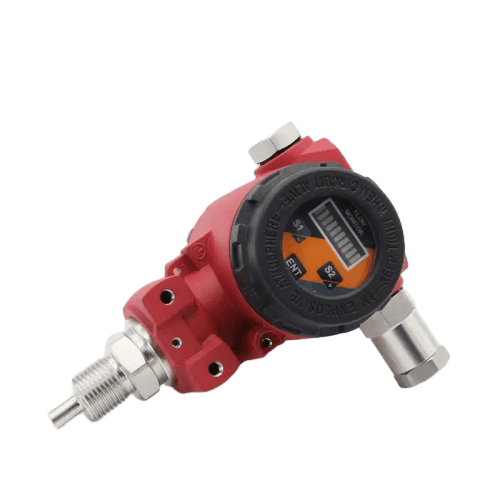
ZNC-FRC-E Explosion Proof Thermal Flow Switch
The ZNC-FRC-E Explosion Proof Thermal Flow Switch is a high-safety electronic monitoring device specifically designed for hazardous industrial environments.
Read More Get A Quote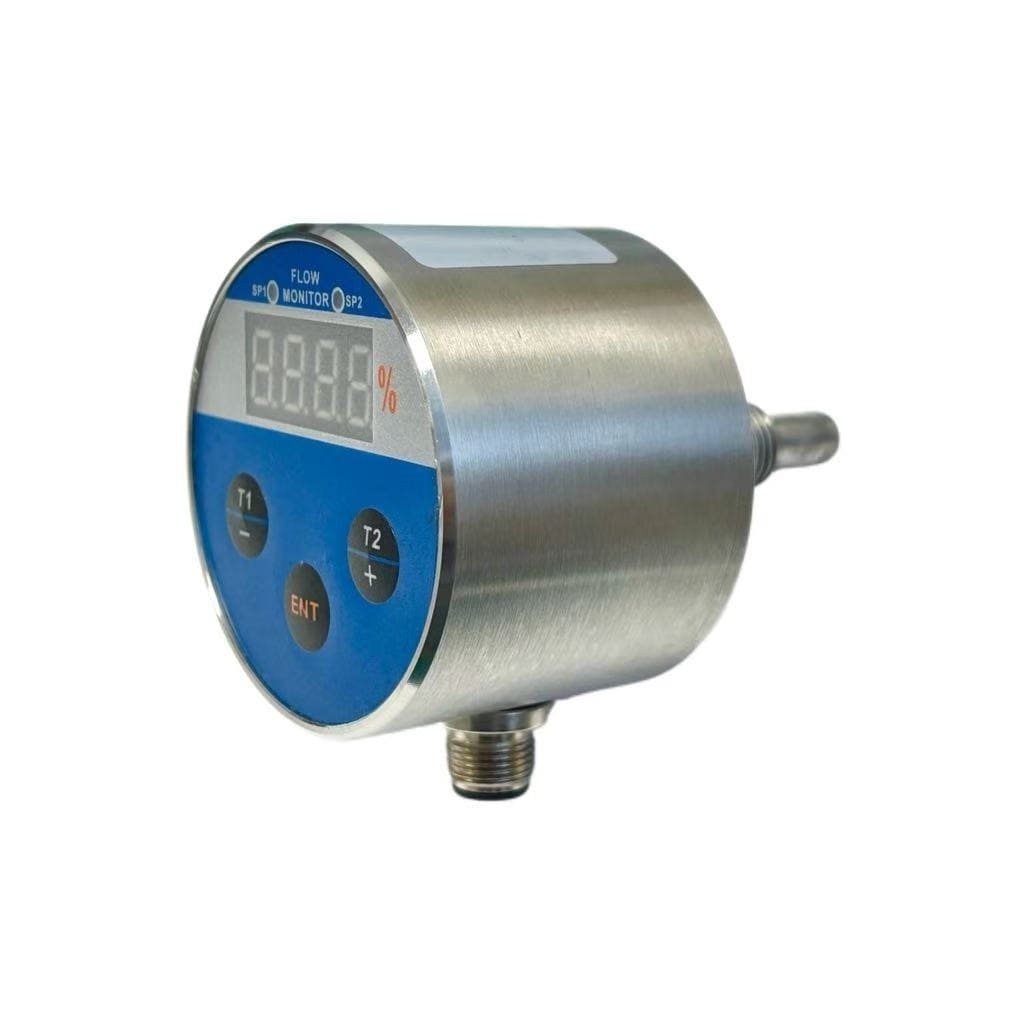
ZNC-FRC-D Digital Thermal Flow Switch
The ZNC-FRC-D Digital Thermal Flow Switch is an intelligent, high-precision monitoring device designed for the real-time detection and control of fluid flow.
Read More Get A Quote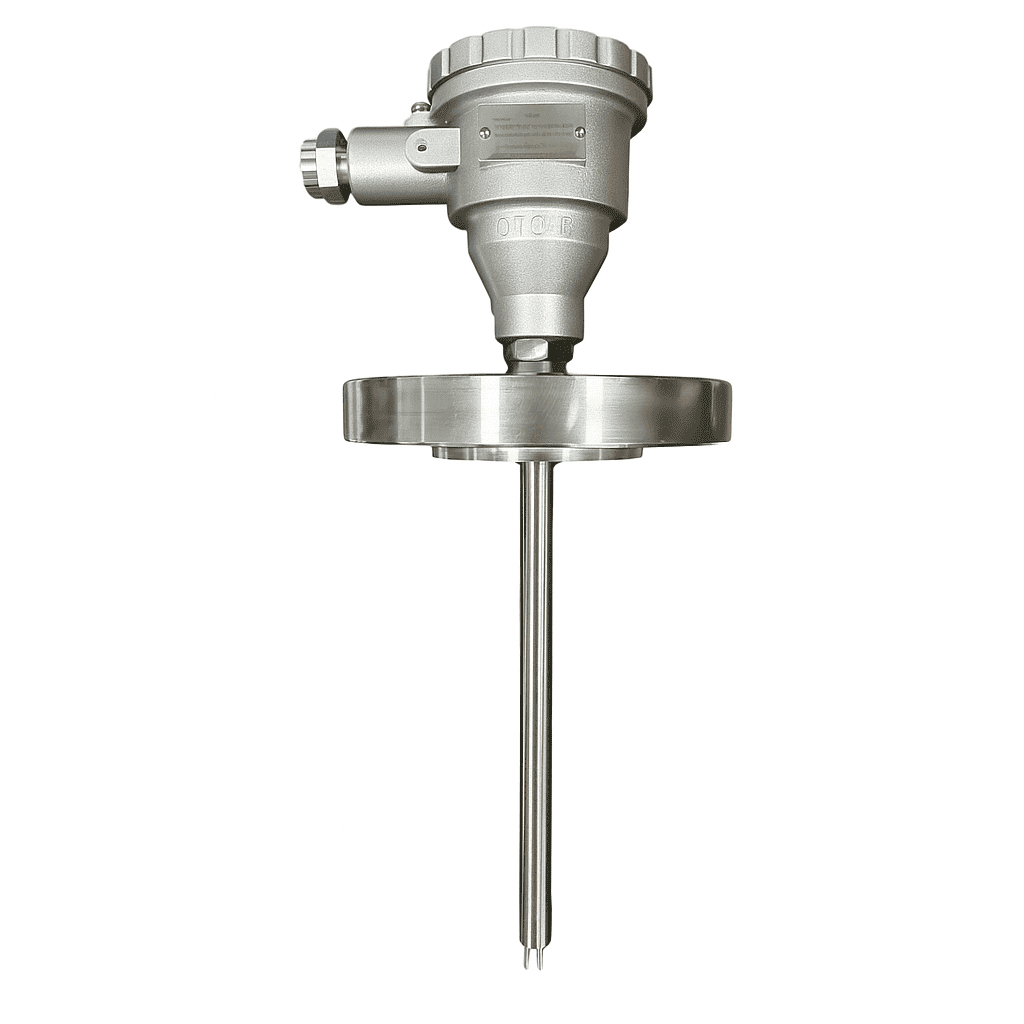
ZNC-FRC-EXT Explosion-proof Thermal Flow Switch (for High Temperature & High Viscosity Media)
The ZNC-FRC-EXT is a specialized explosion-proof thermal flow switch engineered to handle the most challenging industrial conditions, including high-temperature environments (up to 300°C) and high-viscosity media.
Read More Get A Quote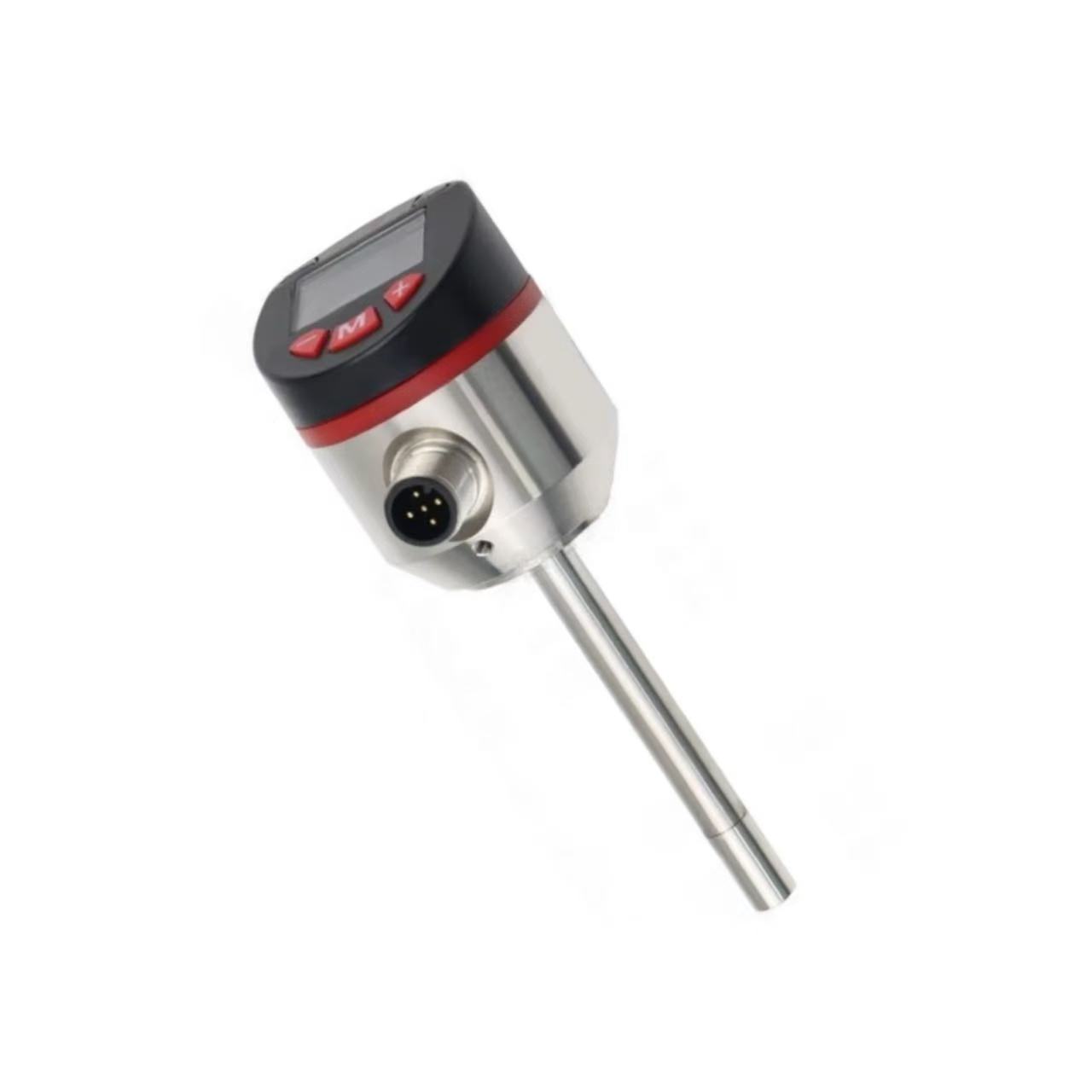
ZNC-FRC-FT Flow and Temperature Integrated Flow Switch
The ZNC-FRC-FT is an advanced, multi-functional thermal dispersion monitoring device that combines flow velocity detection and temperature measurement into a single, compact unit.
Read More Get A Quote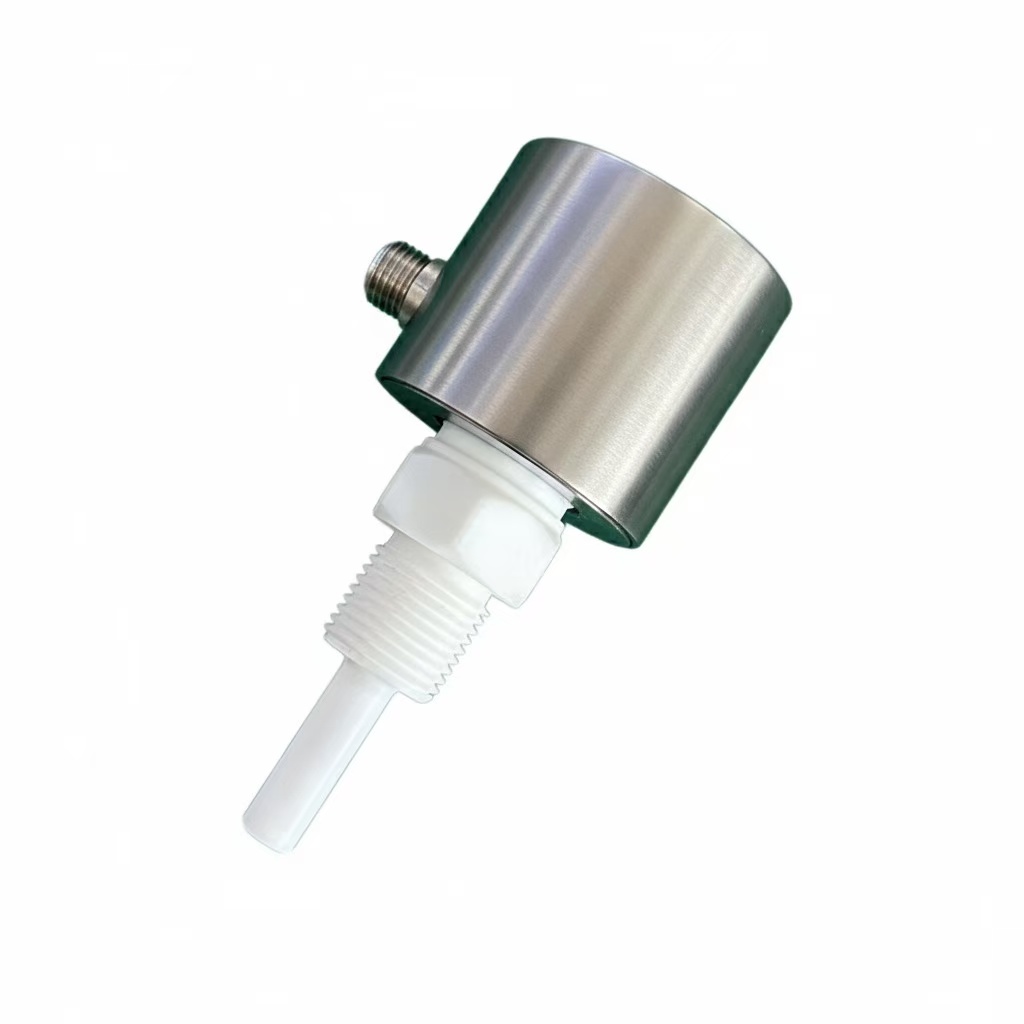
ZNC-FRC-C PTFE Thermal Flow Switch
The ZNC-FRC-C PTFE Thermal Flow Switch is a high-performance flow monitoring device specifically engineered for highly corrosive environments.
Read More Get A Quote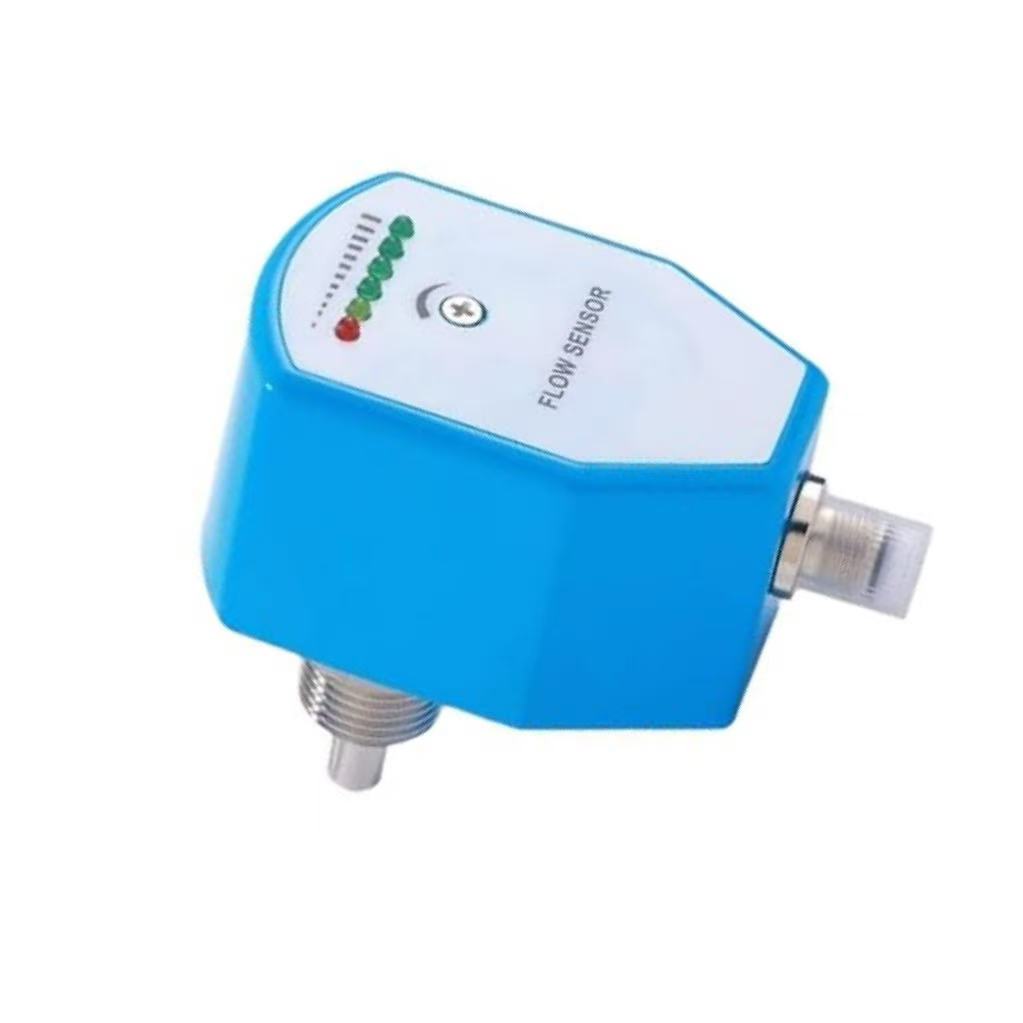
ZNC-FRC-PB Thermal Flow Switch
The ZNC-FRC-PB Thermal Flow Switch is a high-performance electronic flow monitoring device featuring a unique anti-scaling and anti-tangling design.
Read More Get A Quote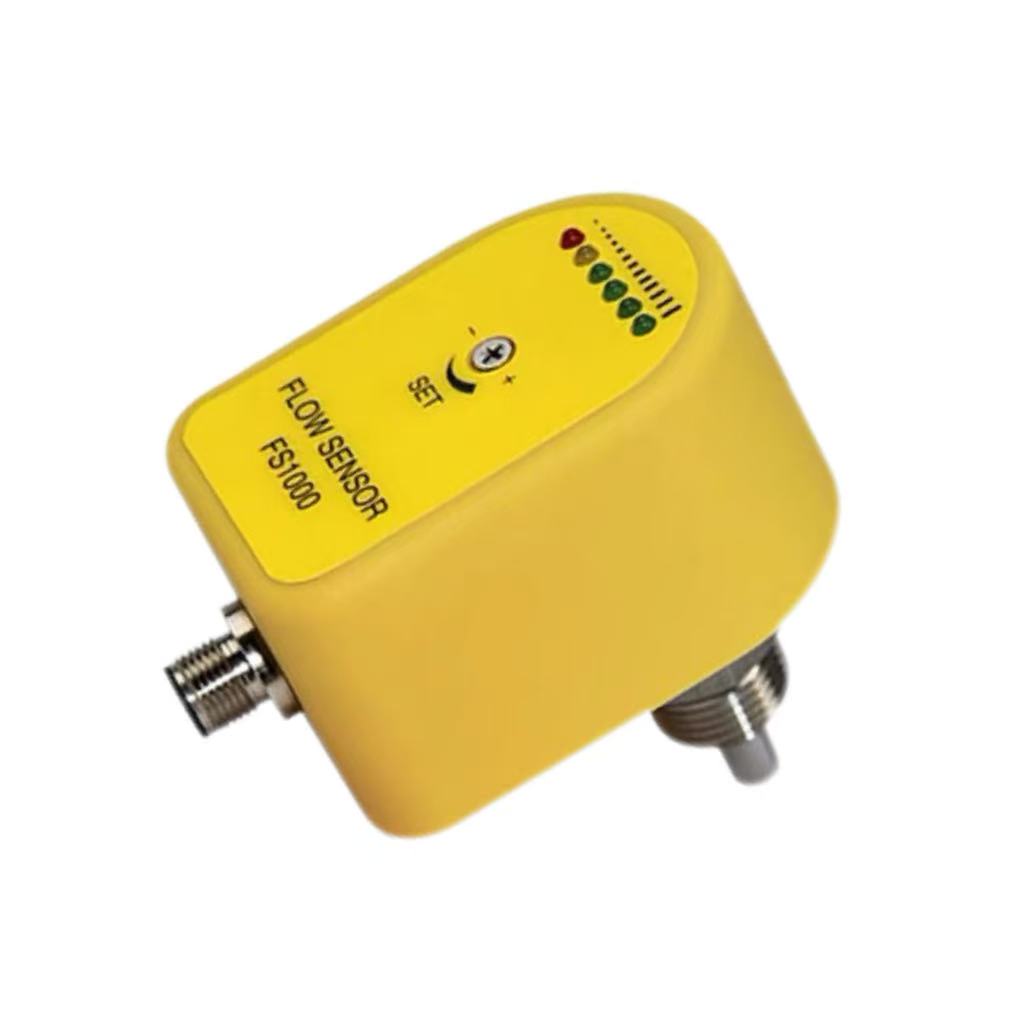
ZNC-FRC-PY Thermal Flow Switch
The ZNC-FRC-PY Thermal Flow Switch is a compact and reliable electronic monitoring device designed for precise flow control in industrial pipelines.
Read More Get A Quote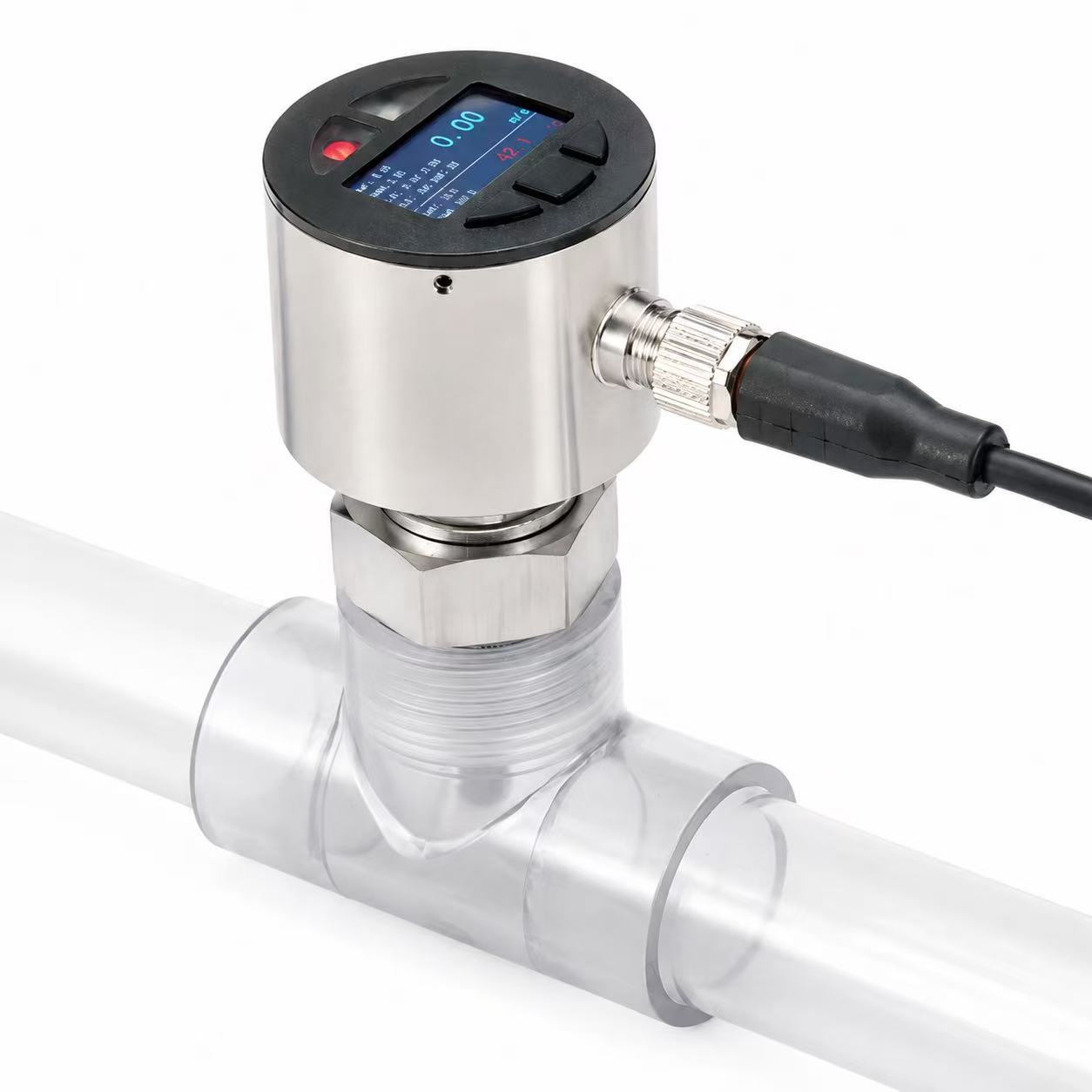
ZNC-DF1 Digital Flow Switch
The ZNC-DF1 Digital Flow Switch is a compact thermal flow monitoring device designed for simultaneous flow velocity and medium temperature monitoring.
Read More Get A Quote
How to Choose a Thermal Flow Switch
The right thermal flow switch depends on the flow condition that must trigger a warning or control action. In cooling-water loops, lubrication systems and pump protection circuits, the switching point should be selected against the normal operating flow and the minimum flow needed by the equipment. Confirm the medium and its temperature before comparing published flow ranges.
Most basic thermal flow switches provide a flow/no-flow or adjustable threshold signal. Models with digital displays and analog outputs may also indicate flow velocity or temperature, but these functions are model-specific. A thermal flow switch is not automatically a substitute for a calibrated flow meter.
Compare ZINACA Thermal Flow Switch Models
Use the links below to check the technical specifications and available configurations for each series:
ZNC-FRC-S Stainless Steel Thermal Flow Switch — a stainless steel probe and housing option for industrial liquid or gas flow-status monitoring; relay and transistor output variants are listed.
ZNC-FRC-D Digital Thermal Flow Switch — a digital display model with switching and analog output options; confirm the exact electrical configuration before ordering.
ZNC-DF1 Digital Flow Switch — monitors flow velocity and medium temperature, with an LCD and published PNP/NPN plus 4–20 mA options.
ZNC-FRC-FT Flow and Temperature Integrated Flow Switch — combines flow and temperature monitoring, with listed IO-Link and analog signal options.
ZNC-FRC-C PTFE Thermal Flow Switch — PTFE wetted-probe construction intended for selected corrosive fluids; chemical and temperature compatibility must be confirmed.
ZNC-FRC-PB Thermal Flow Switch — a tapered probe design aimed at reducing scale and debris accumulation in suitable industrial liquids.
ZNC-FRC-PY Thermal Flow Switch — a compact flow-status switch with LED indication for machinery and cooling applications.
ZNC-FRC-E Explosion-Proof Thermal Flow Switch and ZNC-FRC-EXT High-Temperature Thermal Flow Switch — specialized options that require verification of the exact temperature limits, explosion-protection documents and project acceptance requirements.
Important: Different models have different temperature limits, process connections, protection ratings and output capabilities. Do not apply the specifications of one model to the entire thermal flow switch range.
Typical Industrial Applications
Pump protection: detect insufficient circulation and provide an interlock signal when the configured flow threshold is not met.
Cooling water for machinery: confirm flow through chillers, heat exchangers, welding equipment and other water-cooled systems.
Lubricating oil and hydraulic auxiliaries: monitor suitable oil flow, taking viscosity, operating temperature and calibration into account.
Water treatment: monitor circulation or transfer lines with compatible liquid media and appropriate probe materials.
Air and gas flow monitoring: select a gas-compatible thermal model, using the gas-specific flow range and process conditions.
What Information Is Needed for Selection?
For a technically accurate model recommendation and quotation, please provide:
Process medium (water, oil, air, gas or chemical) and any relevant viscosity or composition
Normal flow velocity or flow rate, minimum operating flow and desired switching point
Pipe diameter, installation orientation, available straight length and process connection
Operating pressure, normal temperature and maximum temperature
Wetted-material requirements and any fouling, scaling or corrosive conditions
Electrical supply and required output (relay, PNP, NPN, 4–20 mA or IO-Link, where available)
Display requirement, environmental protection and any project-specific hazardous-area approvals
Flow ranges stated for water must not automatically be applied to oil or gas. Thermal sensing is influenced by medium properties, temperature and flow conditions. For an adjustable switch, confirm that the desired alarm point lies within the selected model's actual setting range.
How Does a Thermal Flow Switch Work?
A thermal sensor typically uses a heated element and a reference temperature measurement. Flowing fluid removes heat from the sensing tip, changing the measured thermal response. Electronics use that response to determine whether flow has crossed the setpoint and then change the switching output. Because there is no paddle or piston in the sensing assembly, there are no corresponding mechanical moving parts to wear.
Thermal switches should still be installed and maintained according to the model manual. Sensor fouling, fast temperature changes and unsuitable medium conditions can affect response, so application conditions and the required threshold should be checked during selection.
Thermal vs. Paddle vs. Piston Flow Switch
Thermal flow switch: no moving sensing parts; available with electronic switching, LED or digital indication and selected analog/IO-Link features.
Paddle flow switch — a mechanical vane detects liquid movement and is commonly used for water circulation and HVAC flow interlocks.
Piston flow switch — an inline moving-piston design typically selected based on a defined switching point and compatible process conditions.
The selection should be based on flow threshold, pressure loss, medium compatibility, installation constraints and required electrical interface, rather than the sensing principle alone. For additional background, read the comparison of thermal and other flow switch technologies.
Frequently Asked Questions
Can a thermal flow switch be used for both liquid and gas?
Some models can monitor both. Published liquid ranges and gas ranges are different, so the actual medium and operating conditions must be confirmed for the specific model.
Does every thermal flow switch provide 4–20 mA output?
No. Relay, PNP and NPN are common switching-output choices. Models such as ZNC-DF1 and selected ZNC-FRC series configurations list analog outputs; check the exact datasheet and ordered configuration.
Can I use a standard thermal flow switch in a hazardous area?
Only if the selected product and its documentation meet the applicable hazardous-area classification and local requirements. An explosion-proof product name alone does not establish the required approval.
Request a Thermal Flow Switch Quotation
Send ZINACA the medium, pipe diameter, flow threshold, pressure, temperature, installation connection and required output. Our sales team can review the application and suggest a suitable available configuration.
Contact ZINACA Instruments or email sales@zinacainstruments.com.
 WhatsApp
 Email
Email
 +8617320288925