What Is an Industrial Pressure Switch?
An industrial pressure switch monitors the pressure of a liquid or gas and changes its electrical switching state when a specified pressure setpoint is reached. Pressure switches are commonly used for pump control, compressor monitoring, hydraulic equipment, pneumatic systems and industrial automation.
ZINACA offers mechanical, electronic, digital and explosion-proof pressure switch options for different industrial requirements. Mechanical switches typically use a diaphragm or piston mechanism to operate electrical contacts, while electronic pressure switches use a pressure sensor and electronic circuitry to provide configurable switching functions.
Explore the products below to compare suitable configurations. Important selection factors include pressure range, switching setpoint, differential or hysteresis, contact type, medium compatibility, supply voltage, electrical connection and installation environment.

Digital Electronic Pressure Switch
The ZNC-PT7865 Digital Pressure Switch integrates pressure measurement, digital display, switching control, and analog transmission in one compact device.
Read More Get A Quote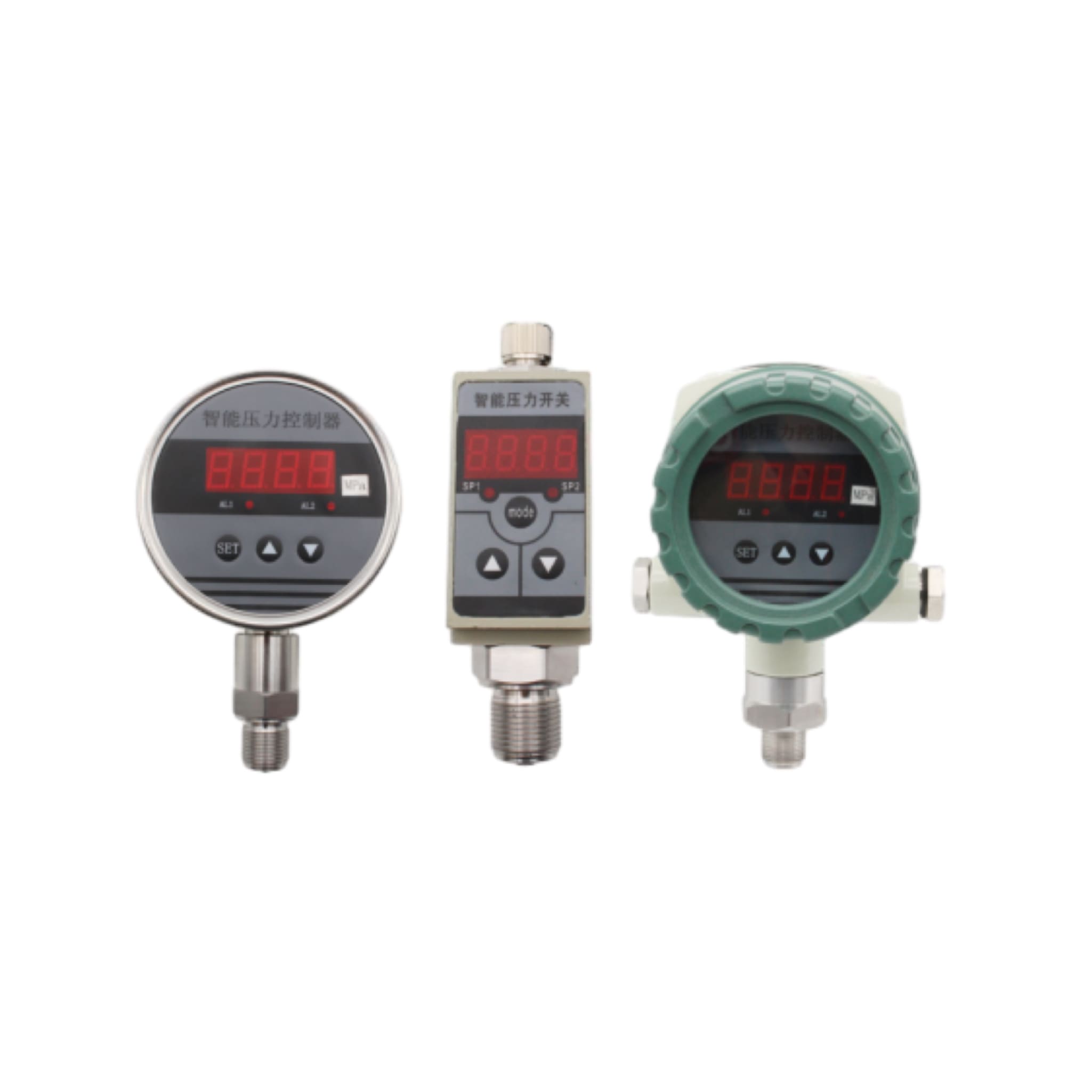
Electronic Pressure Switch
The Electronic Pressure Switch is a high-accuracy, shock-resistant device with digital display, analog output, and solid-state relay for real-time industrial monitoring.
Read More Get A Quote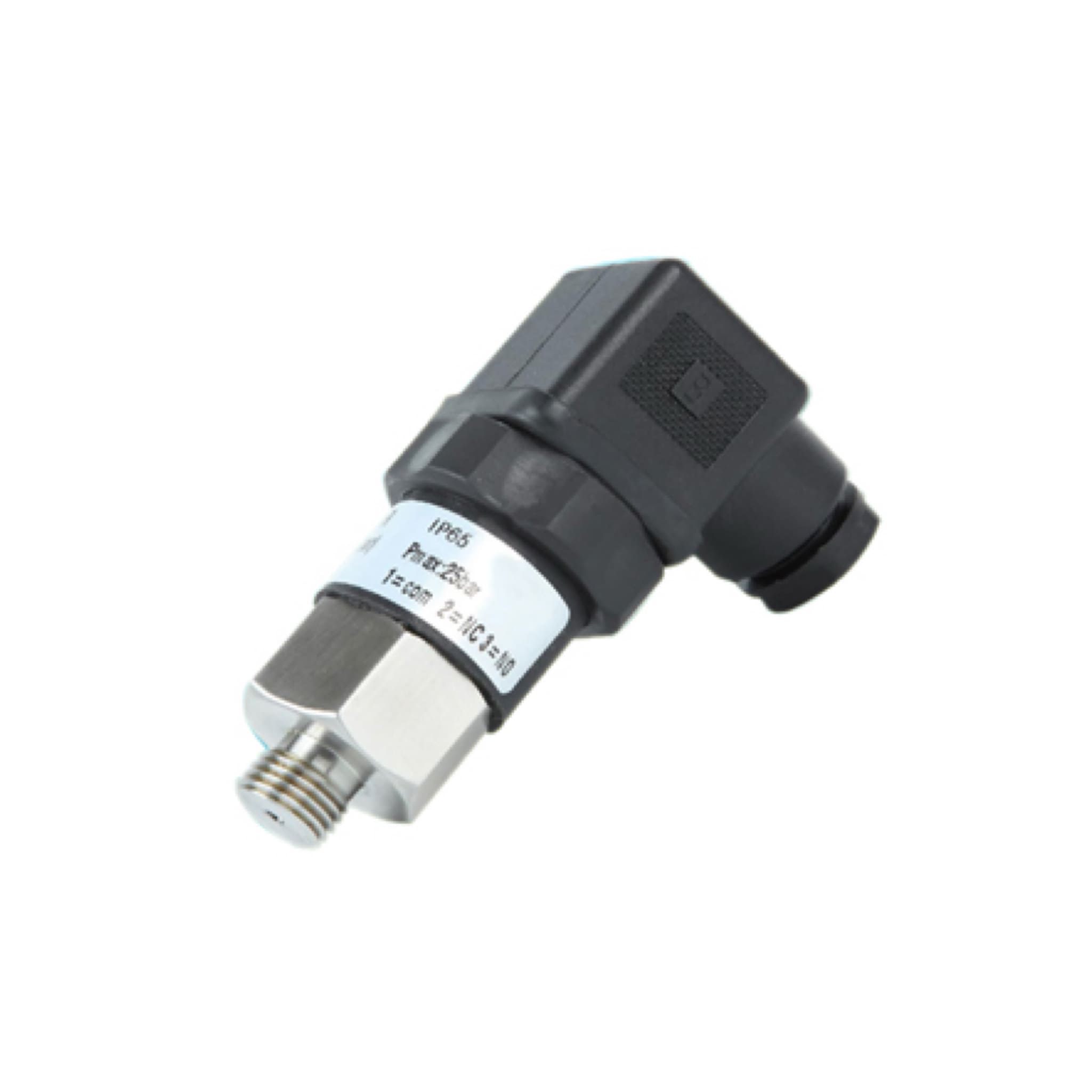
Compact Pressure Switch
The compact pressure switch provides accurate, durable, and reliable monitoring of water and oil pressure with wide range and flexible contacts.
Read More Get A Quote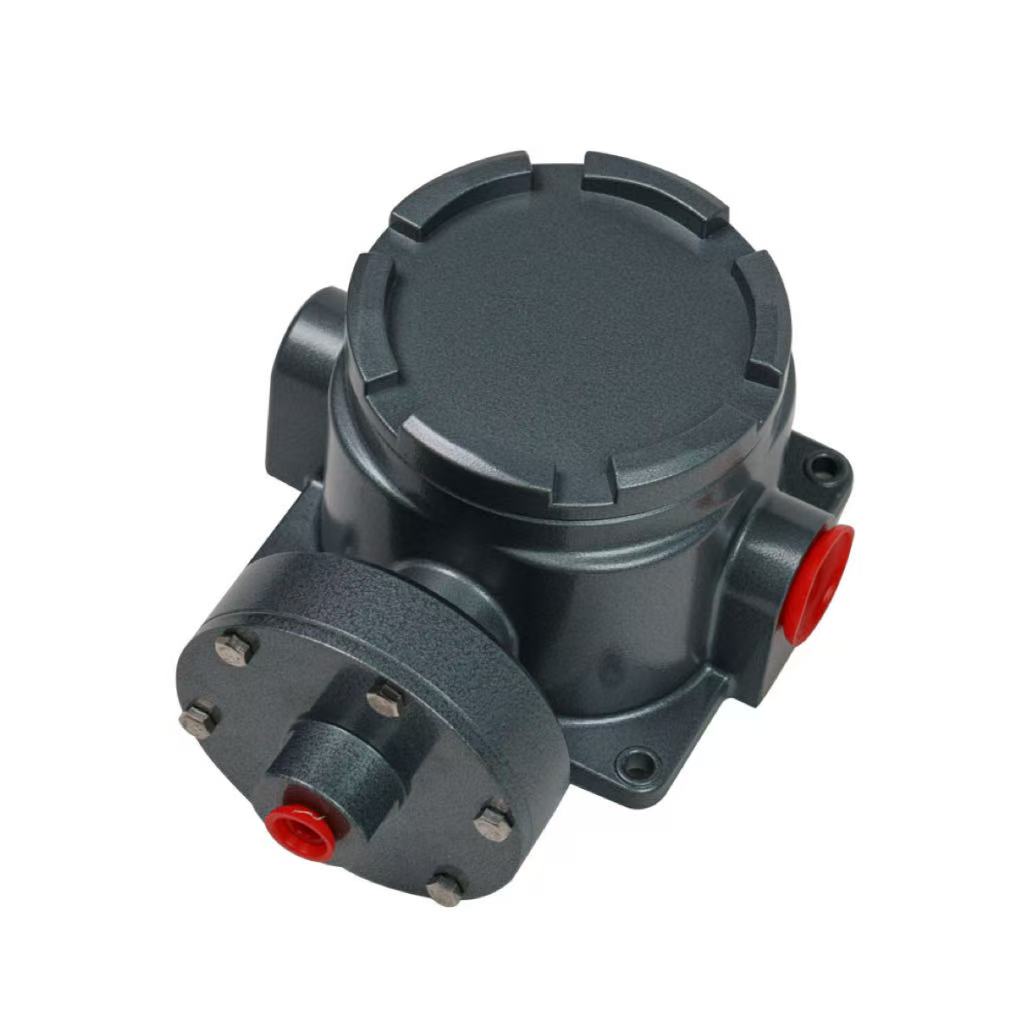
Explosion Proof Pressure Switch
The Explosion Proof Pressure Switch is a highly reliable pressure control instrument specifically designed for use in flammable and explosive hazardous environments.
Read More Get A Quote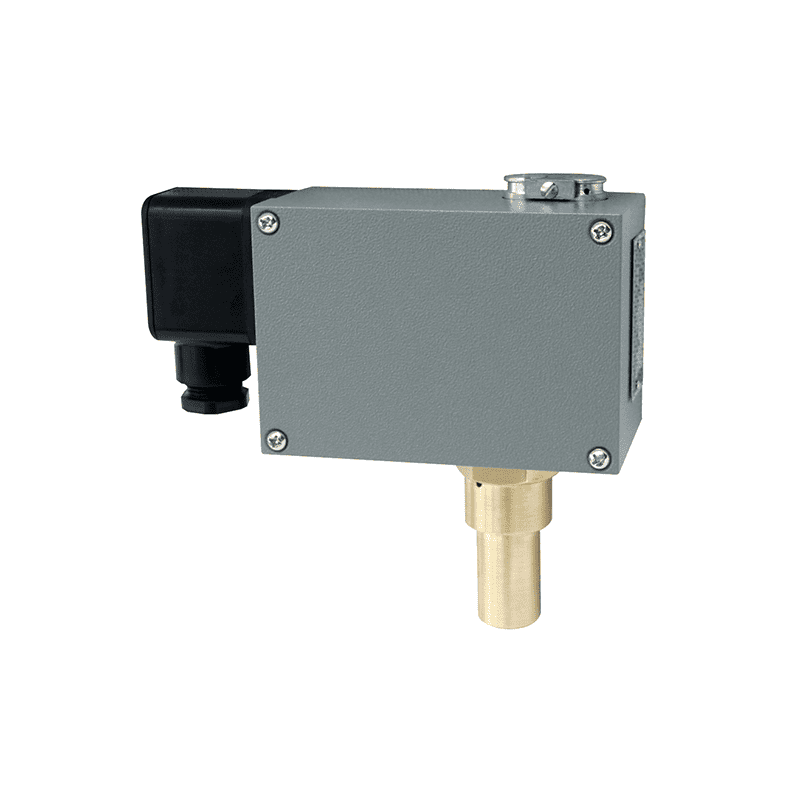
Dual Contact Pressure Switch
The ZINACA Dual Contact Pressure Switch is a high-performance piston-type controller designed for hydraulic oil, compressed air, and neutral liquids.
Read More Get A Quote
How to Choose an Industrial Pressure Switch
Selecting the right industrial pressure switch requires more than matching the nominal pressure range. Engineers should consider the switching setpoint, reset differential, process medium, contact configuration, electrical rating and environmental conditions.
ZINACA provides mechanical and electronic pressure switch solutions for industrial equipment, hydraulic power units, pneumatic systems, water pumps, compressors and process automation.
Before choosing a pressure switch, consider the following factors:
Pressure range: Confirm the normal operating pressure, maximum system pressure and required switching setpoint. Consider any pressure surges or vacuum conditions.
Switching and reset points: Determine the required actuation point, reset point and hysteresis. Not all mechanical models allow independent adjustment of these parameters.
Contact configuration: Specify whether the control system requires normally open (NO), normally closed (NC), SPDT, dual contacts or electronic switching outputs.
Electrical requirements: Check the switching voltage, load current, AC or DC supply, and compatibility with the connected relay, PLC or control panel.
Process medium: Identify the liquid or gas, its operating temperature and the required compatibility of wetted materials and seals.
Mechanical installation: Confirm process threads, mounting space, electrical connections and required enclosure protection.
Installation environment: For potentially explosive atmospheres, confirm the applicable hazardous-area classification and the certification of the exact pressure switch configuration.
Compare ZINACA Pressure Switch Models
ZINACA offers five pressure switch product options to meet different industrial monitoring and switching requirements. Each series is designed for specific operating conditions, electrical interfaces and installation needs.
1. Digital Electronic Pressure Switch
The Digital Electronic Pressure Switch combines pressure measurement, digital indication and programmable switching functions in one compact device.
The ZNC-PS7865 series is described with two PNP switching outputs, a 4-20 mA analog output and optional RS485 Modbus communication. These features make it suitable for compatible PLC-based pressure monitoring systems.
Typical applications: Hydraulic systems, automated machinery, pumps, compressors, machine tools and OEM equipment.
2. Electronic Pressure Switch
The Electronic Pressure Switch integrates electronic pressure detection, local digital indication and configurable switching control.
The series offers multiple switching configurations and selected analog output options. Depending on the configuration, it can be used for pressure limit monitoring, automatic control and industrial process supervision.
Typical applications: Building water supply, compressor systems, industrial machinery, chemical processing and automation equipment.
3. Compact Mechanical Pressure Switch
The Compact Pressure Switch uses a mechanical piston-and-spring mechanism to detect pressure changes and operate electrical contacts.
Its compact construction is suitable for pressure monitoring where simple switching control is required. Selected configurations include adjustable pressure ranges and normally open or normally closed contact arrangements.
Typical applications: Hydraulic power units, lubrication systems, water pressure monitoring, pneumatic equipment and industrial machinery.
4. Explosion Proof Pressure Switch
The Explosion Proof Pressure Switch is designed for pressure switching applications where a suitable explosion-protected instrument is required.
It uses a mechanical pressure sensing element and microswitch to provide pressure-dependent electrical switching for compatible process control and interlocking applications.
Typical applications: Petrochemical facilities, gas handling systems, industrial process equipment and other installations requiring a correctly certified hazardous-area pressure switch.
The exact explosion protection marking, certificate, gas group, temperature class and permitted installation area must be verified for the selected configuration and destination market.
5. Dual Contact Pressure Switch
The Dual Contact Pressure Switch is a piston-actuated mechanical pressure controller equipped with two electrical microswitch contacts.
This configuration can support dual-contact pressure control and interlocking functions in compatible hydraulic and pneumatic systems. Contact operation, switching sequence and setpoint adjustment should be confirmed for the required model.
Typical applications: Hydraulic power units, lubrication systems, industrial compressors, mechanical equipment and pressure interlock systems.
Mechanical vs. Electronic Pressure Switches
Mechanical and electronic pressure switches perform similar basic switching functions, but they differ in sensing principle, adjustment method and available electrical outputs.
Mechanical Pressure Switch
A mechanical pressure switch typically uses a diaphragm or piston connected to a spring-loaded switching mechanism. When pressure reaches the preset value, the mechanism actuates the electrical contact.
Mechanical switches are often selected for straightforward pressure alarms and equipment interlocks. The switching mechanism itself generally does not require an external power supply, although the connected control circuit must remain within its electrical rating.
Electronic Pressure Switch
An electronic pressure switch uses a pressure sensor and electronic processing circuit to monitor pressure and control the output state. Depending on the model, it may provide a digital display, adjustable hysteresis, programmable switching points and analog communication signals.
Electronic models are commonly selected for automated equipment where flexible configuration, local indication and PLC integration are important.
For a more detailed comparison, read our Mechanical vs. Electronic Pressure Switches Selection Guide.
Typical Industrial Applications of Pressure Switches
Hydraulic Power Units
Pressure switches are used to monitor hydraulic pressure and provide electrical signals when configured pressure limits are reached. These signals may be used by the equipment control system for alarms, pump sequencing and interlocking functions.
Air Compressors and Pneumatic Systems
Pressure switches can monitor compressed-air systems and provide signals for compressor control, low-pressure warnings or high-pressure alarms according to the equipment control design.
Industrial Water Pumps
Pressure switches are frequently installed in industrial water supply and circulation systems to monitor operating pressure and support automatic control or equipment protection.
Oil and Gas Processing
Suitable pressure switches can be used for pressure monitoring in industrial process systems. Where a hazardous-area installation is involved, the protection method and certification must match the site's requirements.
Industrial Automation and OEM Machinery
Electronic pressure switches can integrate with PLC-controlled machinery through compatible switching outputs. Selected digital models also provide continuous pressure feedback through analog or supported communication signals.
For a detailed application example, read our Digital Pressure Switch for Hydraulic Systems article.
Pressure Switch vs. Pressure Transmitter
Although pressure switches and pressure transmitters are both used for industrial pressure monitoring, their primary functions are different.
Pressure switch: Changes an electrical output state when pressure reaches a configured switching threshold. It is commonly used for pressure alarms, interlocks and control signals.
Pressure transmitter: Continuously measures pressure and provides a proportional measurement signal for a PLC, DCS or monitoring system.
Multifunction electronic pressure instruments: Selected models combine switching outputs, local indication and continuous pressure measurement.
If your application requires continuous measurement rather than pressure threshold switching, explore our Industrial Pressure Transmitters.
What Information Is Needed for a Pressure Switch RFQ?
To help ZINACA recommend a suitable pressure switch and prepare an accurate quotation, please provide the following technical information:
Pressure measuring or setting range, including engineering units
Required switching setpoint and reset point, if specified
Maximum working pressure and possible pressure surges
Measuring medium and operating temperature
Mechanical or electronic pressure switch preference
Contact type: NO, NC, SPDT, dual contact or electronic switching output
Required voltage, current rating and output configuration
Process connection, wetted material and electrical connection
Required enclosure protection or hazardous-area approval, if applicable
Required quantity and delivery destination
Pressure Switch Frequently Asked Questions
What is the difference between NO and NC pressure switch contacts?
NO means normally open and NC means normally closed, referring to the defined normal contact state. The actual contact state at a given pressure depends on the switch design, pressure setpoint and whether it operates on rising or falling pressure. Confirm the switching sequence required by the control system.
Can a pressure switch provide a 4-20 mA output?
Selected electronic pressure switches, including compatible ZINACA digital models, provide both switching outputs and a 4-20 mA pressure signal. Conventional mechanical pressure switches normally provide contact outputs without continuous analog measurement.
Does a mechanical pressure switch require an external power supply?
The mechanical pressure-actuated switching mechanism generally does not require a separate electronic power supply. However, the electrical circuit connected to the contacts must operate within the specified contact voltage and current ratings.
Can ZINACA pressure switches be customized?
ZINACA provides OEM and ODM services for applicable products. Depending on the model, customization may include pressure range, process thread, switching configuration, electrical connection, housing material, product labeling and packaging.
Are all ZINACA pressure switches explosion-proof?
No. Explosion protection is specific to the selected model and certified configuration. The applicable certificate, protection marking, installation requirements and destination-market acceptance must be confirmed for hazardous-area applications.
Request a Pressure Switch Quotation
Looking for an industrial mechanical or electronic pressure switch for your equipment or project? ZINACA Instruments provides pressure switching solutions for industrial automation, hydraulic systems, pumps, compressors and process control applications.
Send us your pressure range, switching setpoint, contact configuration, medium, process connection, electrical requirements and quantity. Our team will review the appropriate product configuration and provide a quotation.
Contact ZINACA Instrumentsor emailsales@zinacainstruments.com.
 WhatsApp
 Email
 +8617320288925