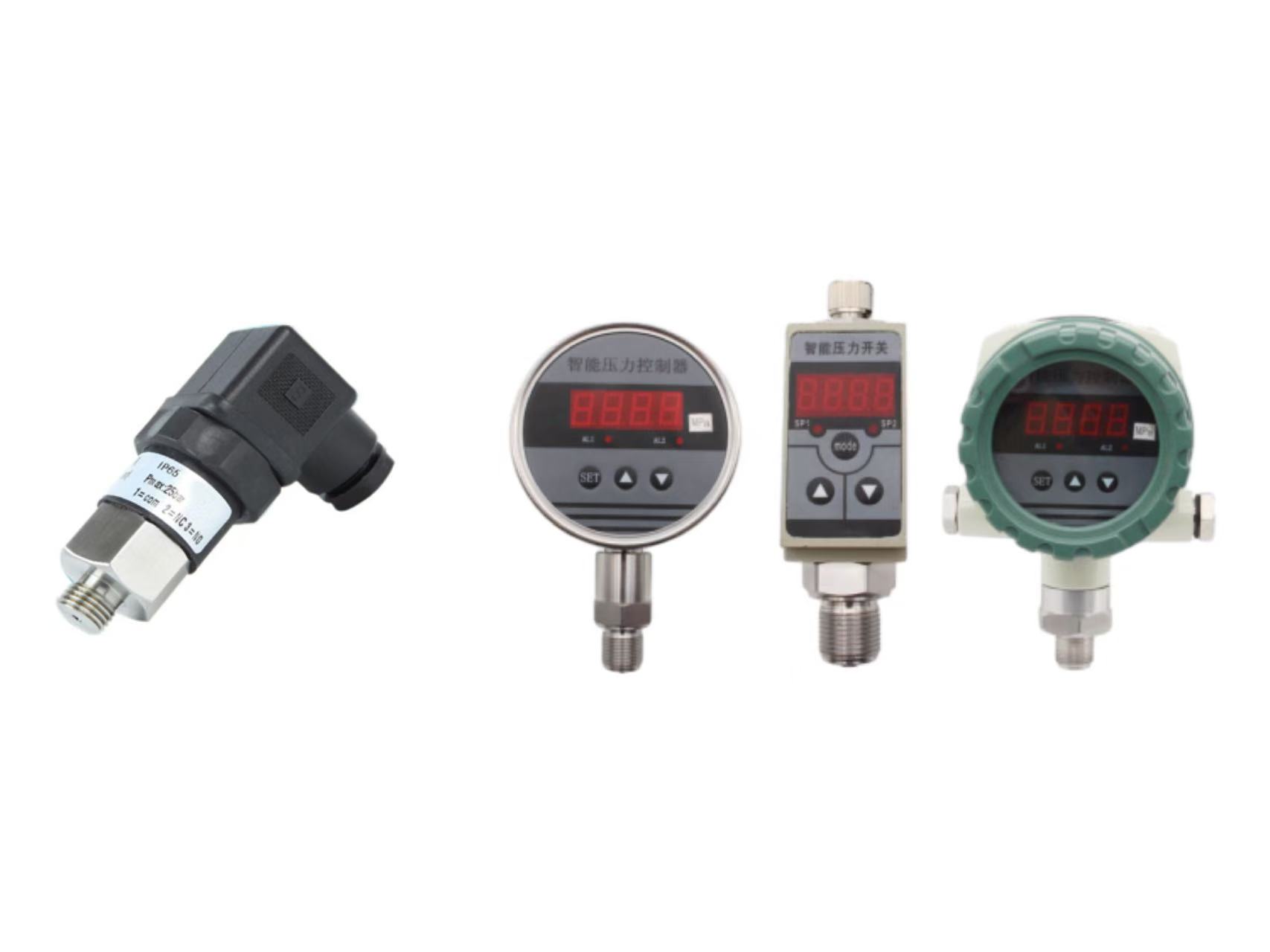
Mechanical vs. Electronic Pressure Switches Which is Best for Your Application
In the world of industrial automation and fluid control, pressure switches are the silent guardians of system integrity. Whether you are managing a hydraulic press, a municipal water supply, or a complex chemical refinery, the ability to trigger an action based on pressure changes is fundamental to safety and efficiency. However, a common dilemma arises when designing or maintaining these systems: Should you use a traditional mechanical pressure switch or upgrade to a modern electronic version? At ZINACA Instruments, we manufacture both technologies, and we know that the best choice depends entirely on your specific process requirements. In this comprehensive guide, we will break down the differences between mechanical and electronic pressure switches, helping you choose the right solution for your application.
The Mechanical Standard Overview of Compact Piston Pressure Switches
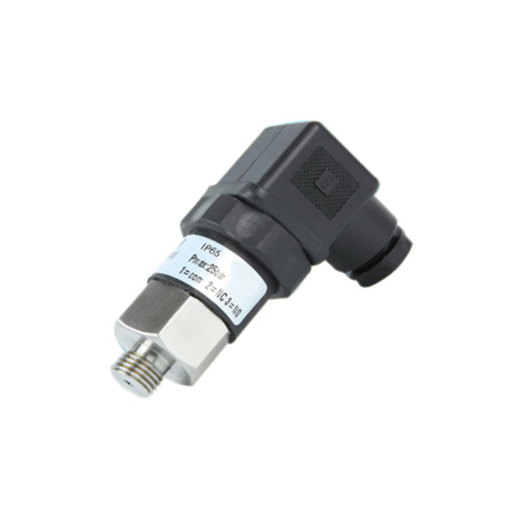
Mechanical pressure switches have been the industry workhorse for decades. The ZINACA Compact Piston Pressure Switch is a prime example of this technology utilizing a robust piston spring mechanism.
How It Works: When the fluid pressure in the pipeline increases, it pushes against a piston. This piston is held back by a calibrated spring. Once the pressure overcomes the spring tension, the piston moves and trips a physical microswitch. At ZINACA, we use gold-plated contacts in our mechanical switches to ensure high conductivity and a large contact capacity even in demanding environments.
Key Features of ZINACA Compact Pressure Switches: Piston spring design provides stable and reliable detection, especially in high-pressure scenarios. High overload capacity allows mechanical switches to handle significant pressure spikes without failing. Simple installation featuring a standard DN plug and compact housing designed for easy wiring and quick deployment. Gold-plated contacts enhance durability and allow for reliable switching of both AC and DC loads.
Best Applications for Mechanical Switches Mechanical switches are ideal for applications where simplicity and cost are key or where power is not available. They are widely used in hydraulic and pneumatic systems, lubrication equipment, and basic pump control in the petroleum and metallurgy industries.
The Digital Evolution Overview of Electronic Pressure Switches
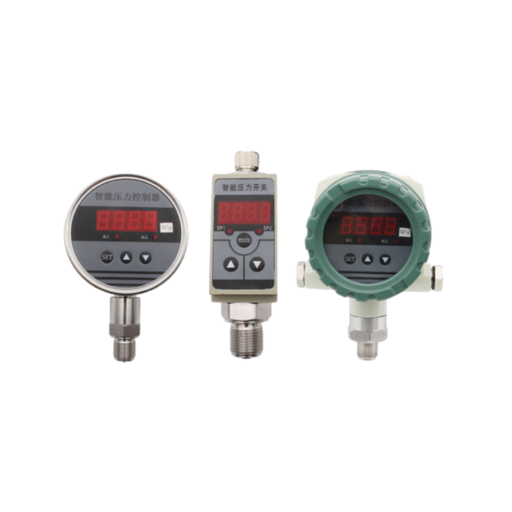
If the mechanical switch is the on-off toggle of the industry, the Electronic Pressure Switch is the smartphone. It is an intelligent multi-functional device that integrates pressure measurement, digital display, and logic control into a single unit.
How It Works ZINACA Electronic Pressure Switches use high precision sensors such as 304 or 316L stainless steel diaphragms to convert pressure into an electronic signal. An internal microprocessor processes this data, displaying it on a high-brightness LED screen and triggering solid-state relays or analog outputs.
Key Features of ZINACA Electronic Pressure Switches: Intelligent monitoring with a 4-digit high-brightness LED display provides real-time pressure indication, eliminating the need for a separate pressure gauge. High accuracy and stability with an accuracy class of 0.5 percent and stability of 0.1 percent per year make these far more precise than mechanical alternatives. Multi-level control supports up to 4 switching outputs, allowing you to set multiple trigger points for complex automation sequences. No moving parts means there is no mechanical friction, offering a significantly longer service life and superior shock resistance.
Best Applications for Electronic Switches. Electronic switches are preferred for automated machinery, building water supply systems, and industrial sites requiring real-time gauge or absolute pressure control. They are essential in modern factories where data integration and high precision are non-negotiable.
Mechanical vs Electronic: A Technical Comparison
When evaluating a Compact Mechanical Switch against an Electronic Pressure Switch, several factors stand out. The Mechanical switch uses a Piston and Spring mechanism with no display and an accuracy of 3 percent of the setpoint. Its hysteresis is typically 10 to 20 percent, and it contains moving parts. In contrast, the Electronic switch uses a Solid state Sensor and Microprocessor with a 4-digit LED display and a much higher accuracy of 0.5 percent. Its hysteresis is fully adjustable digitally, and it features no moving parts. The electronic version also supports a wider media temperature range from minus 40 to 350 degrees Celsius compared to the mechanical range of minus 20 to 85 degrees Celsius.
Which One Should You Choose
Choose a Mechanical Switch if your application is straightforward, such as simple pump start-stop control, or if you are working in a site without an external power supply. It is a cost-effective solution for high-pressure hydraulic systems where environmental vibration is low to moderate.
Choose an Electronic Switch if you need to see the pressure reading at the point of measurement or require high precision and tight control over switching points. It is also the better choice if the system involves frequent switching cycles where mechanical parts would wear out, or if you need to send an analog signal like 4 to 20mA to a PLC or DCS for remote monitoring.
Custom Solutions and OEM Services
At ZINACA Instruments, we recognize that every pipeline is unique. As a leading industrial instrumentation manufacturer, we offer comprehensive OEM Services for both mechanical and electronic pressure switches. Customization options include specific mounting threads like G1/4 or M20x1.5, custom pressure ranges from vacuum minus 0.1 MPa up to 60 MPa, and material selection such as 304 or 316L Stainless Steel for corrosive media. We also provide explosion-proof housing for hazardous industrial sites.
Whether you are looking for a reliable Piston Pressure Switch for a hydraulic unit or a high-tech Electronic Pressure Switch for a smart factory, ZINACA Instruments provides the durability and precision your process demands.
Contact Us for a Quotation
The price of our pressure switches varies depending on your specific configuration and required certifications. As a direct manufacturer, ZINACA Instruments offers competitive pricing and global shipping to support your projects worldwide. Are you ready to optimize your pipeline pressure control? Contact ZINACA Instruments today for the latest quotation or to discuss your custom OEM requirements with our technical team. Together, we will find the perfect switch for your application.
 WhatsApp
 Email
Email
 +8617320288925