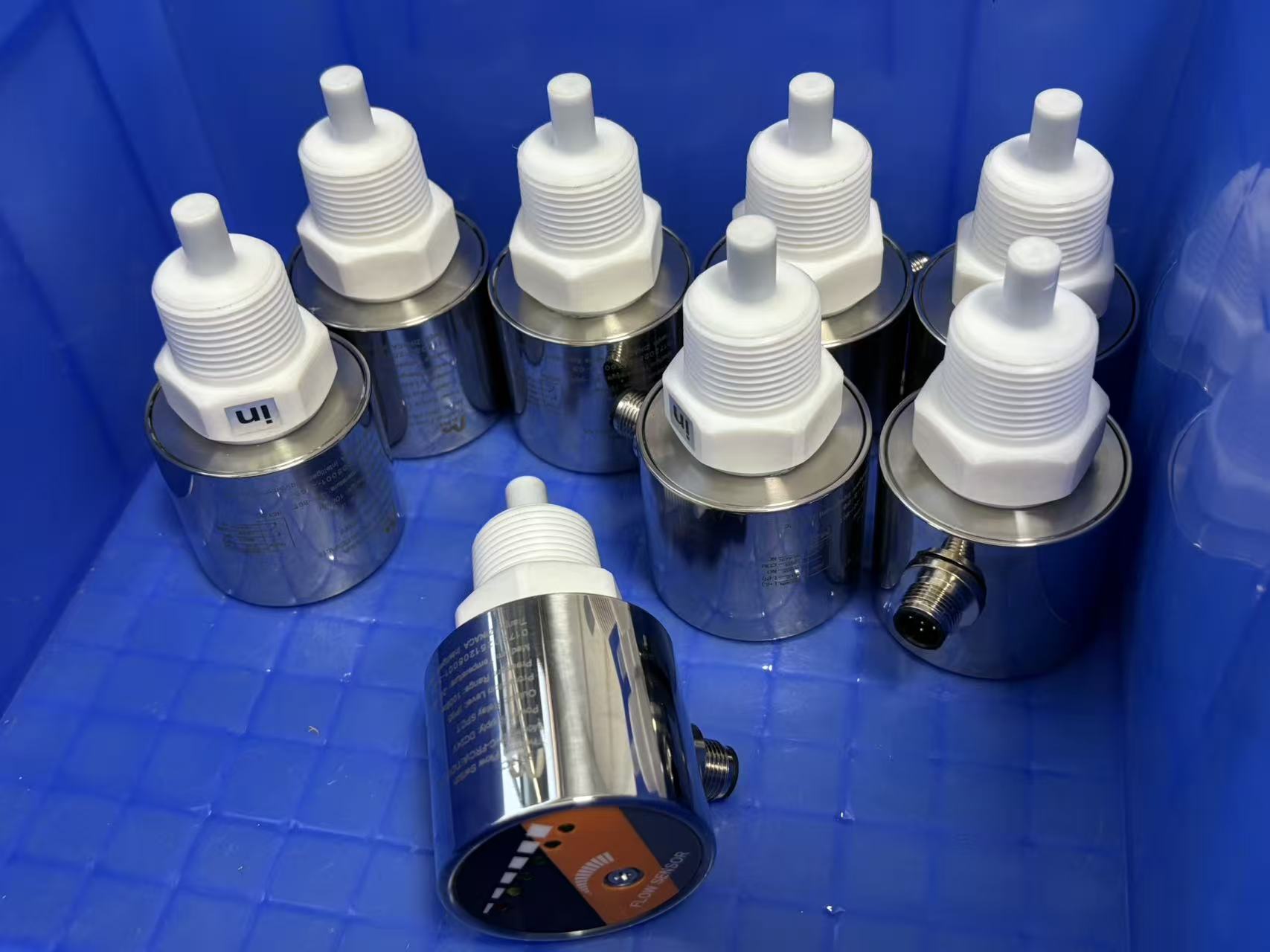
What is a PTFE Thermal Flow Switch?
What is a PTFE Thermal Flow Switch? The Ultimate Guide to Corrosive Flow Monitoring
Introduction: Solving the Challenge of Aggressive Media
In the world of industrial automation, monitoring fluid flow is a fundamental requirement. However, when the media involved are aggressive acids, strong alkalis, or high-purity chemicals, standard stainless steel sensors often meet a swift and costly end due to corrosion. This is where the PTFE Thermal Flow Switch becomes an essential asset. By combining advanced thermal dispersion technology with the nearly universal chemical resistance of Polytetrafluoroethylene (PTFE), these switches provide a high-reliability solution for environments that would destroy traditional equipment. Whether it is protecting a million-dollar chemical pump from dry-burning or ensuring the precise circulation of etching fluids in a semiconductor cleanroom, the PTFE thermal flow switch is the silent guardian of corrosive process lines.
What is a PTFE Thermal Flow Switch?
Product Definition
A PTFE Thermal Flow Switch is a solid-state electronic device used to detect the presence or absence of flow in a pipeline. Unlike mechanical paddle switches that rely on physical movement, this device uses thermal physics to sense the velocity of the liquid or gas. The defining characteristic of this switch is that all wetted parts, the components that come into direct contact with the fluid, are encapsulated in high-purity PTFE, commonly known by the brand name Teflon.
Why PTFE?
PTFE is one of the most chemically inert materials known to man. It is immune to almost all chemicals, including sulfuric acid, hydrochloric acid, and hydrofluoric acid. It is also non-contaminating, making it ideal for ultrapure water (UPW) and pharmaceutical applications where metal ion leaching must be avoided. Additionally, it is anti-adhesive, meaning it resists the buildup of scale or biological growth that often clogs mechanical sensors.
How Does a PTFE Thermal Flow Switch Work?
The PTFE Thermal Flow Switch operates based on the Thermal Dispersion Principle. This method is highly reliable because it involves no moving parts, such as paddles or turbines, which are prone to snapping or jamming in aggressive media.
The Thermal Principle Explained
The sealed PTFE probe contains two precision temperature sensors, called thermistors, located inside the tip. The first is the Reference Sensor, which measures the actual temperature of the medium. The second is the Heated Sensor, which is heated to a temperature slightly above that of the medium. When the fluid in the pipe is stationary (No Flow), the temperature difference between these two sensors is at its maximum and remains constant. When the fluid begins to move (Flow), the flowing media carries heat away from the heated sensor. This cooling effect reduces the temperature difference between the two sensors. The faster the flow, the more heat is dissipated.
Signal Execution
The internal microprocessor monitors this temperature differential. Once the flow rate crosses a preset threshold set by the user via a potentiometer or buttons, the switch changes state. It then triggers an alarm or control signal, such as a Relay Output to shut down a pump, or a PNP/NPN Transistor Output to alert a PLC.
Applications of PTFE Thermal Flow Switches
Because of its exceptional inertness and reliability, this switch is the gold standard for several high-stakes industries.
Chemical Dosing and Transfer: Monitoring the flow of aggressive chemicals to ensure precise dosing and to protect pumps from running dry.
Pickling and Plating Lines: Ensuring the continuous circulation of acids in metallurgical pickling tanks and electroplating baths.
Semiconductor Manufacturing: Flow monitoring of high-purity etching chemicals and ultrapure water where metal ions cannot be present.
Wastewater Treatment: Detecting flow in lines carrying hazardous waste or chemical neutralizers like Sodium Hydroxide.
Acid and Alkali Cooling Systems: Protecting heat exchangers and reactors that use corrosive fluids as cooling media.
Types of PTFE Thermal Flow Switches
While the sensing principle remains the same, these switches are available in different configurations to suit specific piping layouts.
Plug-in (Insertion) Type: This is the most common type of connector. The PTFE probe is inserted directly into the side of a pipe via a threaded or flanged connection. It is ideal for larger pipe diameters where an in-line body would be too restrictive. In-line Type: For small-diameter tubing, the switch is built into a PTFE flow block. The fluid flows directly through the device. This provides high sensitivity for very low flow rates. High-Temperature or Explosion-Proof Variants: While standard PTFE switches handle temperatures up to 80 degrees C, specialized versions feature remote electronics or cast aluminium explosion-proof housings capable of withstanding medium temperatures up to 280 degrees C.
How to Choose the Right PTFE Thermal Flow Switch?
Selecting the correct switch involves more than just checking the pipe size. Consider these critical factors:
Chemical Compatibility: Ensure that not only the probe but also the sealing O-rings are compatible with your specific chemical cocktail.
Flow Velocity: Check the setting range. For example, if you are measuring water, ensure your alarm point falls within the 1 to 150 cm/s range.
Connection Type: Determine if you have existing threaded ports or if you require a flange for a plastic-lined pipe.
Output Logic: Does your PLC require a PNP or NPN signal? Or do you need a Dry Contact Relay to directly break a motor starter circuit?
PTFE Thermal Flow Switch Price
The price of a PTFE Thermal Flow Switch is not fixed; it is a variable that depends on the complexity of the configuration and the specific parameters required for your process. Key factors influencing the price include the probe length, as longer probes require more high-purity PTFE material. Connection styles, such as specialized flanges, can affect the cost. Additionally, electronics configurations like explosion-proof housings or digital displays will impact the final quotation. High-temperature versions also require specialized internal components. If you would like to know the latest price of ZINACA’s PTFE Thermal Flow Switch, please contact us for a detailed quotation.
Custom PTFE Thermal Flow Switch OEM Service
ZINACA Instruments is a professional industrial instrument manufacturer specializing in pressure, temperature, flow, and level measurement devices. We understand that one size fits all rarely works in the chemical industry. We provide comprehensive OEM and customization services for PTFE Thermal Flow Switches. Whether you need a specific cable length, a unique mounting thread, or a custom-designed sensor head to fit a proprietary chemical bench, our engineering team can deliver a solution. If you are a machine builder or a system integrator looking for a reliable OEM partner for corrosion-resistant flow products, ZINACA Instruments is ready to cooperate with you.
PTFE Thermal Flow Switch Manufacturer
ZINACA Instruments is a trusted PTFE Thermal Flow Switch manufacturer with extensive experience in industrial automation instruments. Our products are ISO 9001, CNAS, IAF, SIL, and ACM certified, ensuring high quality, reliability, and durability in harsh chemical environments. This commitment to quality ensures that our PTFE flow switches deliver safe and stable performance in the most unforgiving chemical environments. We serve global clients in the pharmaceutical, semiconductor, and environmental sectors, helping them protect their infrastructure and optimize their processes. Contact us today to discuss your flow monitoring challenges or to request a formal technical proposal.
 WhatsApp
 Email
Email
 +8617320288925