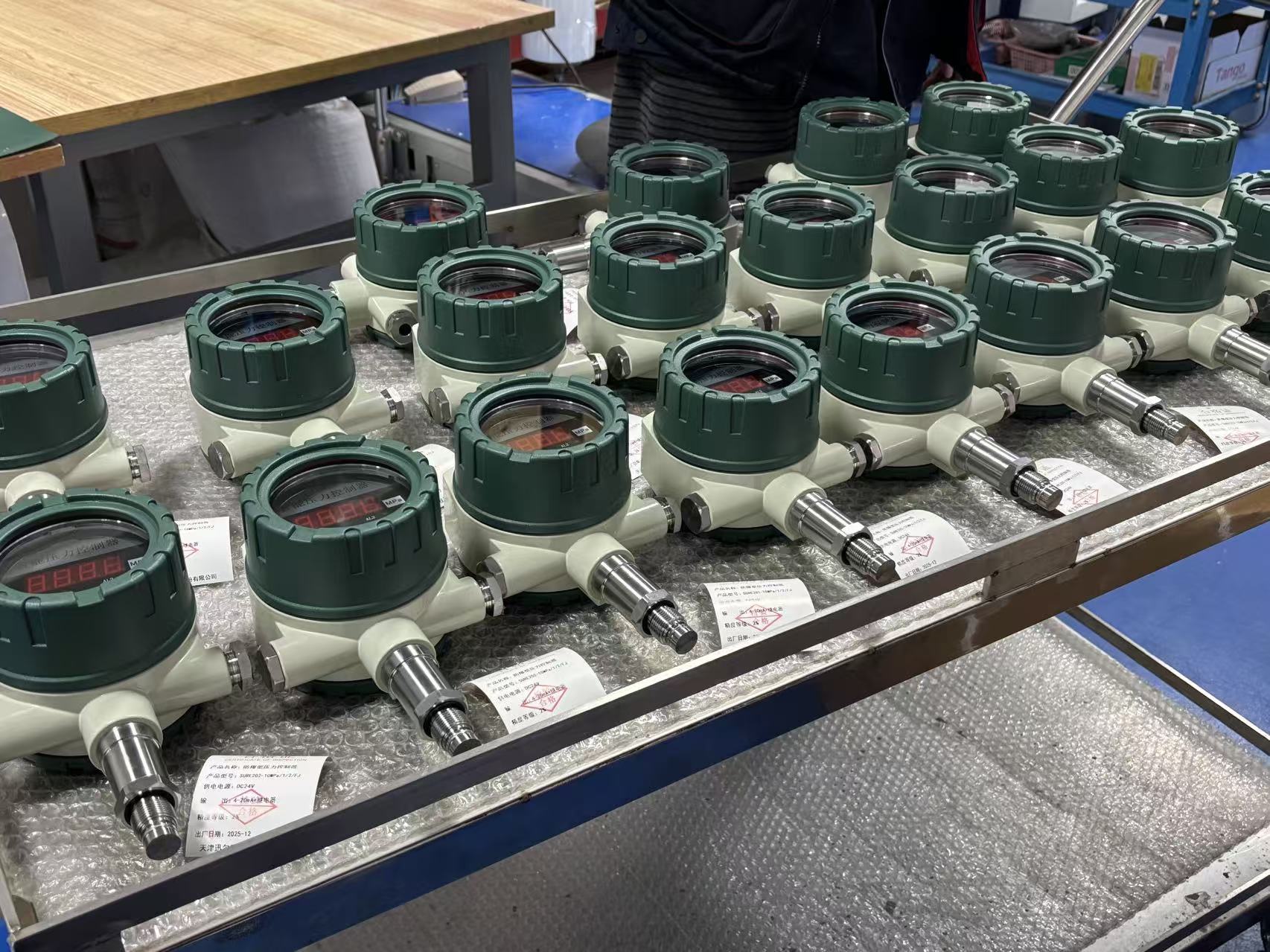
What is an Explosion Proof Electronic Pressure Switch?
In modern industrial landscapes, safety and precision are the two pillars that support successful operations. This is especially true in environments where flammable gases, vapors, or dust are present. In such hazardous locations, a single spark or excessive heat from an electronic device could trigger a catastrophic explosion. This is where the explosion-proof electronic pressure switch becomes an indispensable tool. Unlike traditional mechanical switches, the modern electronic variant integrates advanced pressure measurement, high-brightness digital displays, and intelligent control logic into a single, robust unit. These devices are engineered to meet stringent international safety standards, such as the Ex db IIC T6 Gb certification, ensuring that even if an internal fault occurs, the surrounding volatile atmosphere remains safe. This article provides a deep dive into the world of electronic pressure switches designed for hazardous zones, exploring their mechanisms, applications, and the factors that influence their performance and cost.
What is an Explosion Proof Electronic Pressure Switch?
An explosion proof electronic pressure switch is an intelligent industrial instrument designed to monitor the pressure of gases, liquids, and oils while providing automated control outputs. It is defined by its ability to operate safely in environments classified as hazardous. The product serves three primary functions: measurement, indication, and control.
At its core, the device uses a high-precision pressure sensor to detect changes in the medium. This data is then processed by an internal microprocessor and displayed on a 4-digit high-brightness LED screen. Users can set multiple pressure points, and the switch will trigger solid-state relays or analog signals when those thresholds are reached.
The specific rating provided, Ex db IIC T6 Gb, is critical for understanding its protective capabilities. The Ex db designation refers to a flameproof enclosure. This means that if an explosion occurs inside the switch housing, the enclosure is strong enough to contain the pressure and prevent the flame from escaping into the external environment. The IIC classification indicates that the device is safe for use with the most volatile gas groups, including hydrogen and acetylene. The T6 rating signifies the temperature class, meaning the maximum surface temperature of the device will not exceed 85 degrees C under any operating conditions. Finally, the Gb marking indicates a high level of protection for equipment operating in areas where explosive atmospheres are likely to occur during normal operation.
Key Features of the Electronic Pressure Switch
The electronic nature of this switch provides several advantages over older mechanical designs. First, it offers multi-level pressure settings, allowing for complex digital control requirements that mechanical springs simply cannot match. Second, the output signals are highly configurable, allowing the user to choose between Normally Open (NO) or Normally Closed (NC) states depending on the specific safety logic of the plant.
The 4-digit LED display provides a clear, real-time indication of the process pressure, eliminating the need for a separate pressure gauge. These devices support up to 4 switching outputs, providing significant flexibility for managing pumps, valves, and alarms. Furthermore, the switching points are adjustable from zero to full scale, and the unit typically offers a high accuracy class of less than or equal to 0.5 percent.
How Does an Explosion Proof Electronic Pressure Switch Work?
The working principle of an explosion proof electronic pressure switch is a multi-stage process that converts physical pressure into digital data and mechanical or electrical action.
The process begins at the pressure interface, where the medium (liquid or gas) comes into contact with a stainless steel diaphragm, often made of 304 or 316L material. The pressure exerts a force on this diaphragm, which is then detected by an isolated pressure-sensitive component, such as a diffused silicon or ceramic sensor. These sensors are chosen for their excellent shock resistance and long-term stability.
The physical deformation of the sensor creates a weak electrical signal. This analog signal is sent to a high-performance analog-to-digital converter (ADC), which transforms the continuous pressure data into a digital format. The internal microprocessor then takes over, performing several vital functions:
It applies temperature compensation to ensure that the pressure reading remains accurate even if the ambient or medium temperature changes.
It compares the live pressure value against the user-defined set points stored in its non-volatile memory.
It drives the 4-digit LED display to provide the operator with a constant visual reference.
When the measured pressure crosses a programmed threshold, the microprocessor sends a signal to the output stage. In an electronic switch, this is typically handled by a solid-state relay or an optocoupler. Because there are no moving mechanical contacts like those found in traditional switches, the electronic switch is immune to contact wear and sparking, which significantly extends its service life and improves reliability in high vibration environments. If the unit is configured for analog output, it will also generate a 4 to 20 mA or 0 to 10 V signal proportional to the pressure range, allowing for continuous monitoring by a PLC or DCS.
Applications of Electronic Pressure Switches in Hazardous Zones
The versatility and safety ratings of these switches make them ideal for a wide array of industries. Any site requiring gauge pressure, negative pressure, or absolute pressure measurement can benefit from this technology.
In the petroleum and chemical industries, these switches are used to monitor pipeline pressure and tank levels. Given the Ex db IIC T6 Gb rating, they can be installed near wellheads, refineries, and chemical processing units where flammable gases are a constant presence. They act as a critical line of defense, shutting down pumps or opening relief valves if pressure exceeds safe limits.
In metallurgical and power industries, the switches monitor cooling systems and hydraulic lines. The great shock resistance ensures that the heavy vibrations of large machinery do not cause false triggers or equipment failure. The wide temperature range, accommodating mediums from minus 40 degrees C to 350 degrees C with proper cooling elements, allows them to be used in high-heat steam and furnace applications.
Water supply systems and air compressors also utilize electronic pressure switches for automated control. In large buildings or industrial plants, these switches maintain consistent water pressure by cycling pumps on and off. Their high reliability and simple operation make them a low-maintenance solution for long-term infrastructure projects.
Types of Electronic Pressure Switches
While the core functionality remains consistent, these switches come in various types to suit different installation needs.
One common distinction is the mounting thread type. Compact types often use G1/4 threads, making them easy to integrate into small machinery and tight spaces. Standard and explosion proof types typically utilize larger M20 by 1 dot 5 threads, which provide a more robust connection suitable for the heavy-duty housings required for flameproof protection.
The switches can also be categorized by the type of pressure they measure. Gauge pressure switches measure pressure relative to the atmosphere, while absolute pressure switches measure pressure relative to a perfect vacuum. Negative pressure switches, or vacuum switches, are designed to monitor systems operating below atmospheric pressure.
Furthermore, there are variations in power supply. Most industrial units operate on 24 VDC for integration into control loops, but some versions are compatible with 220 VAC for direct power from mains. The protection class is another variable, with most explosion proof units boasting IP65 or IP66 ratings, ensuring they are protected against dust ingress and powerful water jets.
How to Choose the Right Explosion Proof Electronic Pressure Switch?
Selecting the correct pressure switch is vital for both safety and system performance. You must consider several factors:
First, determine the measurement range. Our switches can cover ranges from minus 0 dot 1 MPa to as high as 60 MPa. You should choose a switch where your normal operating pressure falls within 30 to 70 percent of the full scale range to ensure maximum accuracy and longevity.
Second, verify the explosion proof requirements. Ensure that the Ex db IIC T6 Gb rating matches the hazardous zone classification of your site. If your environment contains specific corrosive gases, you must ensure the contact material, such as 316L stainless steel, is compatible with the medium.
Third, consider the environmental conditions. If the switch is installed outdoors in a coastal area, a higher protection class like IP66 and a corrosion-resistant housing are necessary. For high-temperature applications, you may need a cooling neck or a capillary tube to protect the electronics from the extreme heat of the medium.
Finally, think about the output requirements. Do you need a simple on/off control, or do you require a 4 to 20 mA signal for data logging? Do you need one set point or four? Understanding your digital control requirements early in the selection process will save time during installation.
Explosion Proof Electronic Pressure Switch Price
The price of an electronic pressure switch is not fixed; it is a variable that depends on the actual specifications and configuration required for your specific process. Several factors influence the final cost.
The pressure range and accuracy class are primary drivers. Higher pressure ratings or a tighter accuracy requirement, such as less than 0.1 percent stability per year, may increase the price. The material of the contact parts also plays a role; 316L stainless steel or specialized coatings for corrosive media will cost more than standard 304 stainless steel.
The explosion proof housing itself is a significant part of the cost. The precision engineering required to meet Ex db IIC T6 Gb standards involves high-quality die-cast aluminum or stainless steel enclosures and specialized sealing components. Additionally, adding analog outputs or increasing the number of relay contacts will influence the final quotation.
If you are looking for the latest quotation for ZINACA Instruments pressure switches, we encourage you to contact us directly with your specific parameters. This ensures you receive a price that accurately reflects the value and performance needed for your application.
Electronic Pressure Switch OEM Service
ZINACA Instruments is a professional industrial instrumentation manufacturer with years of experience in the field. We understand that every industrial site has unique challenges, and a standard off-the-shelf product might not always be the best fit.
We offer comprehensive OEM services, allowing us to customize reliable electronic pressure switches according to your process requirements and working conditions. Whether you need a specific mounting thread, a custom pressure range, specialized branding, or unique output configurations, our engineering team can work with you to develop a solution that meets your exact needs while maintaining all necessary safety certifications.
If you are looking for an Electronic Pressure Switch OEM Service, please contact us for cooperation. We pride ourselves on our ability to deliver high-quality, custom instrumentation that enhances safety and efficiency.
Your Trusted Electronic Pressure Switch Manufacturer and Supplier
As a leading manufacturer in the industry, ZINACA Instruments provides high-precision, durable, and reliable devices for a wide range of industrial applications worldwide. Our manufacturing process adheres to strict quality control standards, ensuring that every explosion proof electronic pressure switch that leaves our facility is ready to perform in the harshest environments.
Our commitment to innovation and customer service has made us a preferred supplier for companies in the petroleum, chemical, and power industries. We provide comprehensive technical support to help you choose, install, and maintain your pressure switches, ensuring a long and productive service life.
In conclusion, the explosion proof electronic pressure switch is a vital component for any modern hazardous area operation. By integrating advanced digital sensing with robust flameproof protection, these devices provide the accuracy and safety required to protect your personnel and assets. Whether you need a single unit for a water supply system or a fleet of customized switches for a refinery, ZINACA Instruments has the expertise and the technology to meet your needs. For more information, technical specifications, or to request a quote, please reach out to our team today.
 WhatsApp
 Email
Email
 +8617320288925