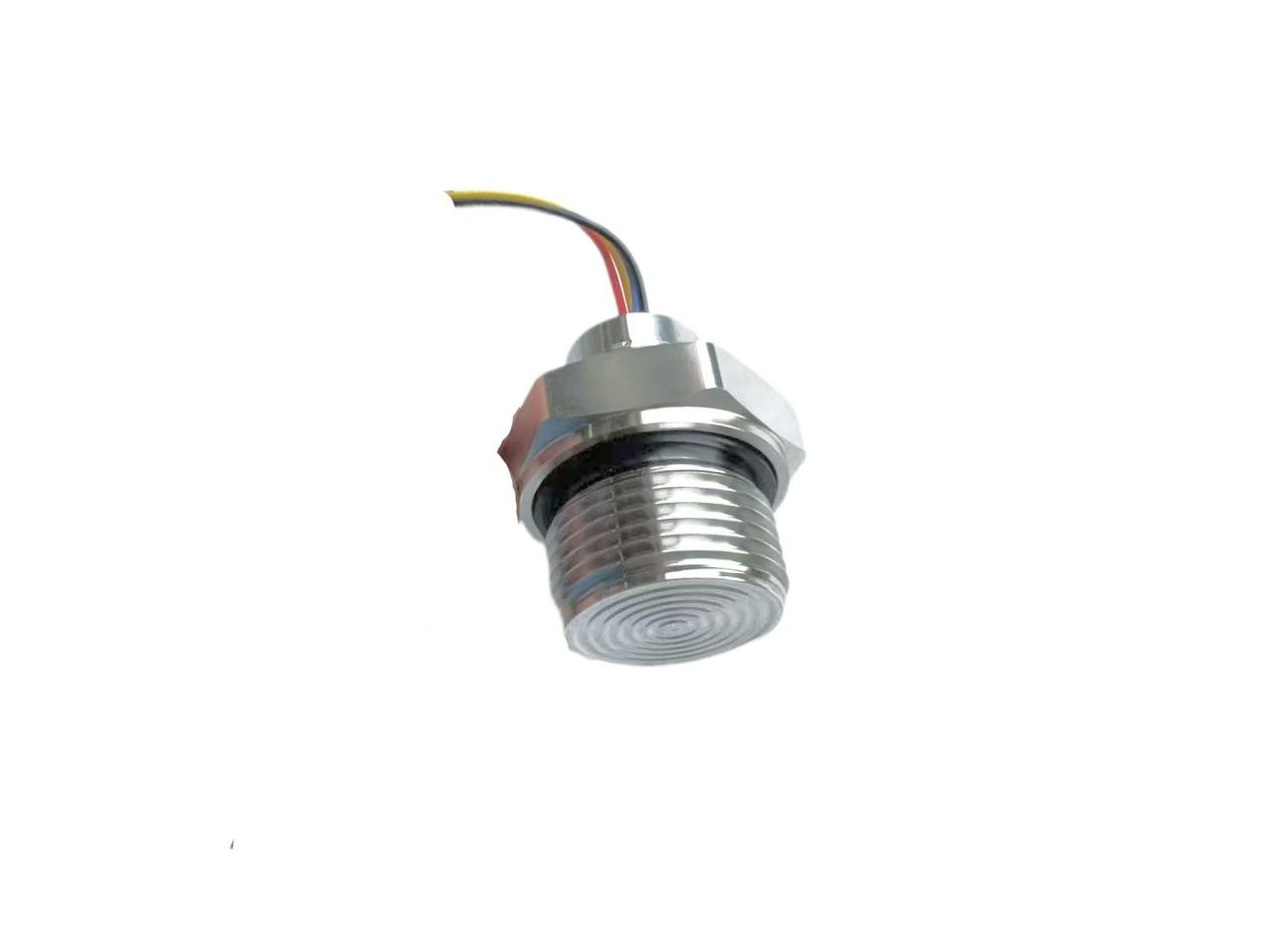
What is a Piezoresistive Pressure Sensor?
A Piezoresistive Pressure Sensor is a highly sensitive and accurate electronic device that measures pressure by utilizing the changes in electrical resistance that occur when a semiconductor material is subjected to mechanical stress. Manufactured using advanced micro-machining (MEMS) technology, these sensors are ideal for OEM applications, process control, and broad industrial monitoring.
As a specialist in precision automation technology, ZINACA provides this comprehensive technical overview of piezoresistive sensing mechanisms and their deployment in modern industrial systems.
Principle: Piezoresistive Effect and the Wheatstone Bridge
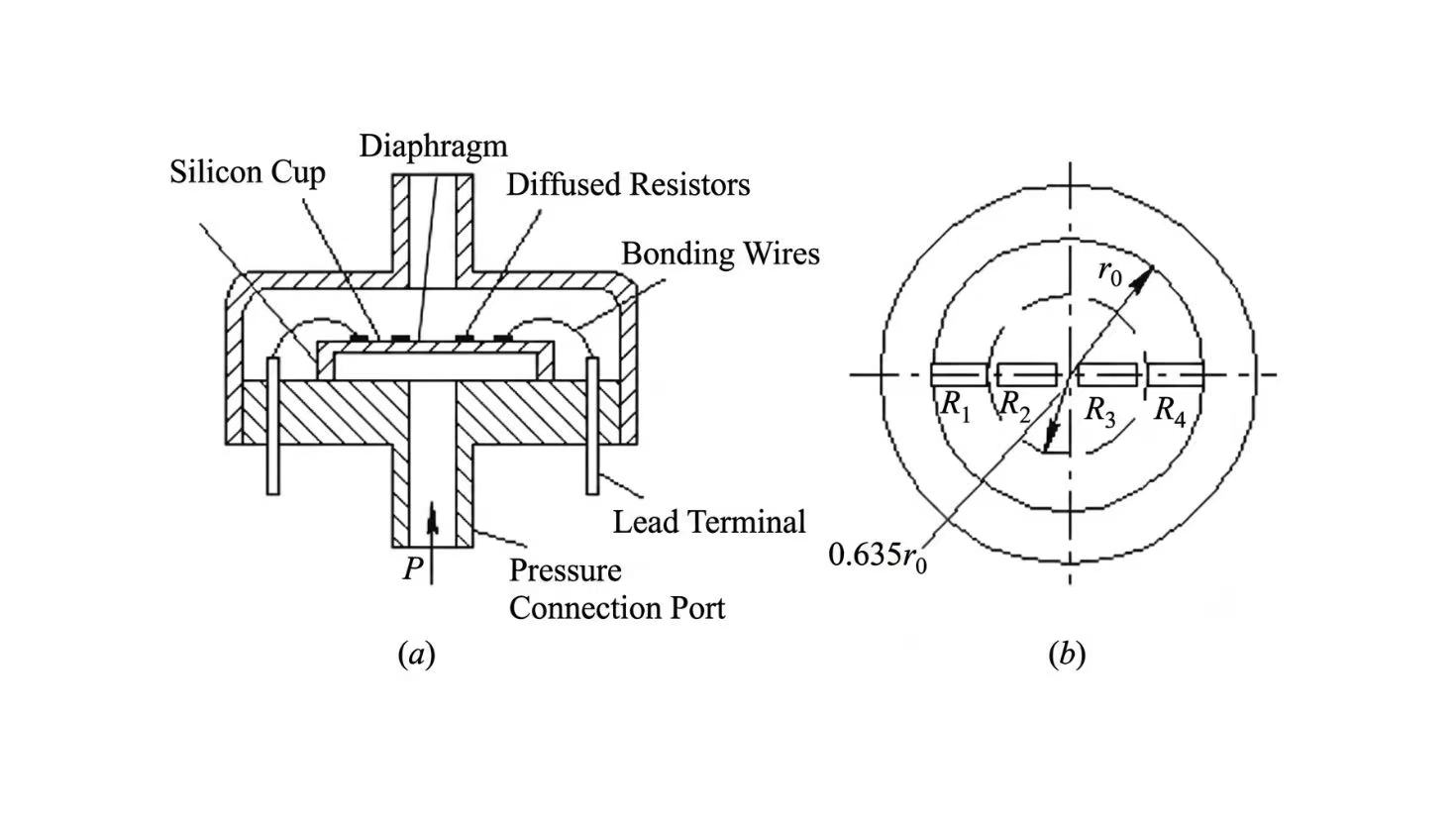
The operation of a piezoresistive sensor relies on the unique physical properties of semi-conductive materials, primarily silicon.
The Piezoresistive Property: Piezoresistive materials are substances that change their electrical resistance when compressed or strained. While metals exhibit this property to a small degree, semiconductor silicon is far more sensitive. When a force is applied to silicon, its resistance to an electrical current increases. This relationship is highly linear; doubling the pressure applied results in twice the change in resistance.
Detection via Wheatstone Bridge: The sensor is constructed from thin silicon wafers embedded between protective surfaces. These piezoresistive elements are integrated into a Wheatstone bridge circuit, an electrical network designed to detect minute differences in resistance. A small current is passed through the bridge. When pressure deforms the silicon and alters its resistance, the balance of the bridge shifts, causing a measurable drop or change in the electrical output. The system calibrates this precise electrical change to report the exact process pressure.
Mechanical Structure and Pressure Transmission
To ensure that the delicate silicon sensing chip can withstand harsh industrial liquids and gases, specialized packaging techniques are used:
TO-Base and Housing: The silicon sensing chip is securely mounted onto a TO-type header base inside a protective metal shell.
Diaphragm Isolation: A corrugated 316 stainless steel diaphragm is welded to the outer face of the housing. This isolation diaphragm comes into direct contact with the process medium, allowing the sensor to measure any fluid compatible with 316 stainless steel.
Silicone Oil Fill: A small, precise amount of silicone oil is sealed in the internal cavity between the corrugated outer diaphragm and the internal silicon chip. When the process fluid pushes against the stainless steel diaphragm, the force is hydraulically transmitted through the silicone oil directly to the sensing chip without exposing the electronics to the medium.
Key Technical Features and Connectivity Options
Highly Flexible Connectivity: Standard configurations offer multiple process connection threads (such as M10, M12, and 1/4 NPT) along with customizable thread styles to fit specific machinery pipelines. Electrical interfaces can be selected as fixed cables or quick-connect industrial plugs.
High Sensitivity and Linearity: Compared to simple mechanical pressure indicators (like spring-loaded dials), modern piezoresistive sensors provide an exceptionally fast response time, high repeatability, and an accurate electronic signal output.
Multi-Purpose Functionality: These sensors are versatile building blocks in industrial automation. They are utilized to calculate liquid flow rates in piping, monitor atmospheric pressure, or measure the structural force and weight exerted by one object onto another.
Tianjin ZINACA Intelligent Equipment Co., Ltd. manufactures premium piezoresistive pressure sensor that combine robust MEMS chip technology with durable stainless steel packaging. Our design ensures complete media isolation, providing reliable, high-linearity data for constant-pressure water systems, hydraulic machinery, and chemical processing lines.
To explore our diverse selection of pressure ranges and customizable process fittings, visit our official website at www.zinacainstruments.com or speak with our application engineering team today.
 WhatsApp
 Email
Email
 +8617320288925