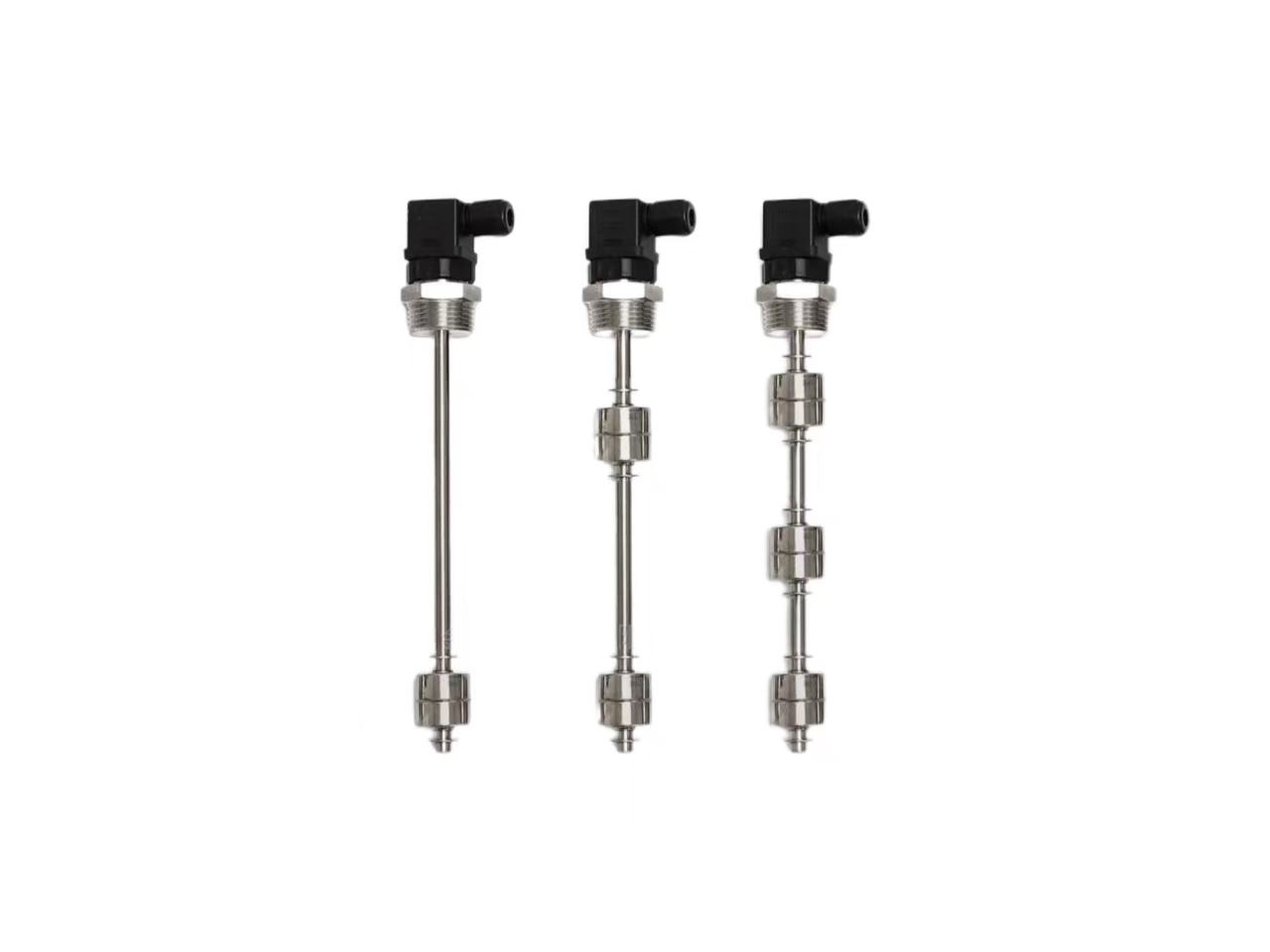
The Advantages and Disadvantages of Rod Float Level Switches: A Professional Guide
In the field of industrial level control, selecting the most cost-effective and reliable monitoring equipment is crucial. The Rod Float Level Switch is a classic instrument that occupies a significant position in industries such as water treatment, petrochemicals, and power generation due to its unique structural design.
As a professional industrial automation supplier, ZINACA Instruments provides this detailed analysis of the performance characteristics of rod float switches to assist you in making an informed decision for your project.
Advantages of Rod Float Level Switches
Unlike traditional mechanical switches or complex electronic sensors, the rod float level switch adopts a simplified design philosophy. Its strengths are reflected in the following areas:
One. Minimalist Structure and Low Failure Rate. The design eliminates components prone to mechanical fatigue, such as springs and bellows. Instead, the float directly drives the switch action through a solid metal rod. This physical coupling significantly reduces maintenance costs and the risk of unexpected downtime.
Two. Superior Impact Resistance and Durability. Compared to fragile electronic level switches, the rod structure has a strong ability to withstand load impacts. It is more durable than pure mechanical switches and operates stably in harsh electrical environments. All switch signals typically originate from a single junction box, which reduces wiring costs and allows for multi-point control from a single device.
Three. High Customization and Installation Flexibility. ZINACA rod float level switches can be customized in length according to the tank depth and specific control requirements. They support various installation methods, including top or side mounting, making them easy to integrate into existing industrial systems.
Four. Stable and Long-Lasting Performance. Utilizing modern induction technology, these devices offer strong anti-interference capabilities. For processes that do not require frequent parameter changes, their stability makes them the preferred choice for long-term level interlocking protection.
Limitations of Rod Float Level Switches
While these switches perform exceptionally well in many scenarios, they do have certain limitations:
One. Lack of Complex Self-Diagnostic Functions. Due to the minimalist design, these devices generally do not feature automated system self-checks. If a minor mechanical obstruction occurs, the system may not automatically issue a fault warning. Therefore, users are encouraged to establish a regular inspection routine to ensure continued sensitivity.
Two. Sensitivity to Media Viscosity. Because the device contains moving parts (the float and rod), it is susceptible to build-up when measuring high-concentration or high-viscosity liquids. Adhesion of the media can hinder the movement of the float, affecting accuracy and potentially damaging the equipment over time.
Three. Moderate Accuracy Levels. Float switches are primarily used for point-level alarms, such as high or low-level pump protection. Their precision is relatively low compared to radar or ultrasonic level transmitters. If your process requires continuous, high-precision numerical displays, ZINACA radar level transmitters would be a more suitable choice.
Industrial Selection Advice: How to Choose?
Choose Rod Float Level Switches if: You need high/low-level alarm protection, have a limited budget, are measuring fluids with good flowability (like clean water or light oil), require multi-point interlocking control, or work in an environment with high electromagnetic interference.
Consider alternatives if the medium is extremely viscous (such as crude oil or asphalt), you need real-time percentage-level displays, you require millimeter-level precision, or the installation site cannot be accessed for regular manual maintenance.
ZINACA Instruments: Tailored Level Solutions
The rod float level switches produced by ZINACA Instruments utilize high-quality stainless steel for excellent corrosion resistance and mechanical strength. We provide comprehensive customization, from material selection and rod length to the number of contact points.
If you have any questions regarding level control at your site, visit our website at www.zinacainstruments.com or contact our technical experts for the latest product quotations and technical support.
 WhatsApp
 Email
Email
 +8617320288925