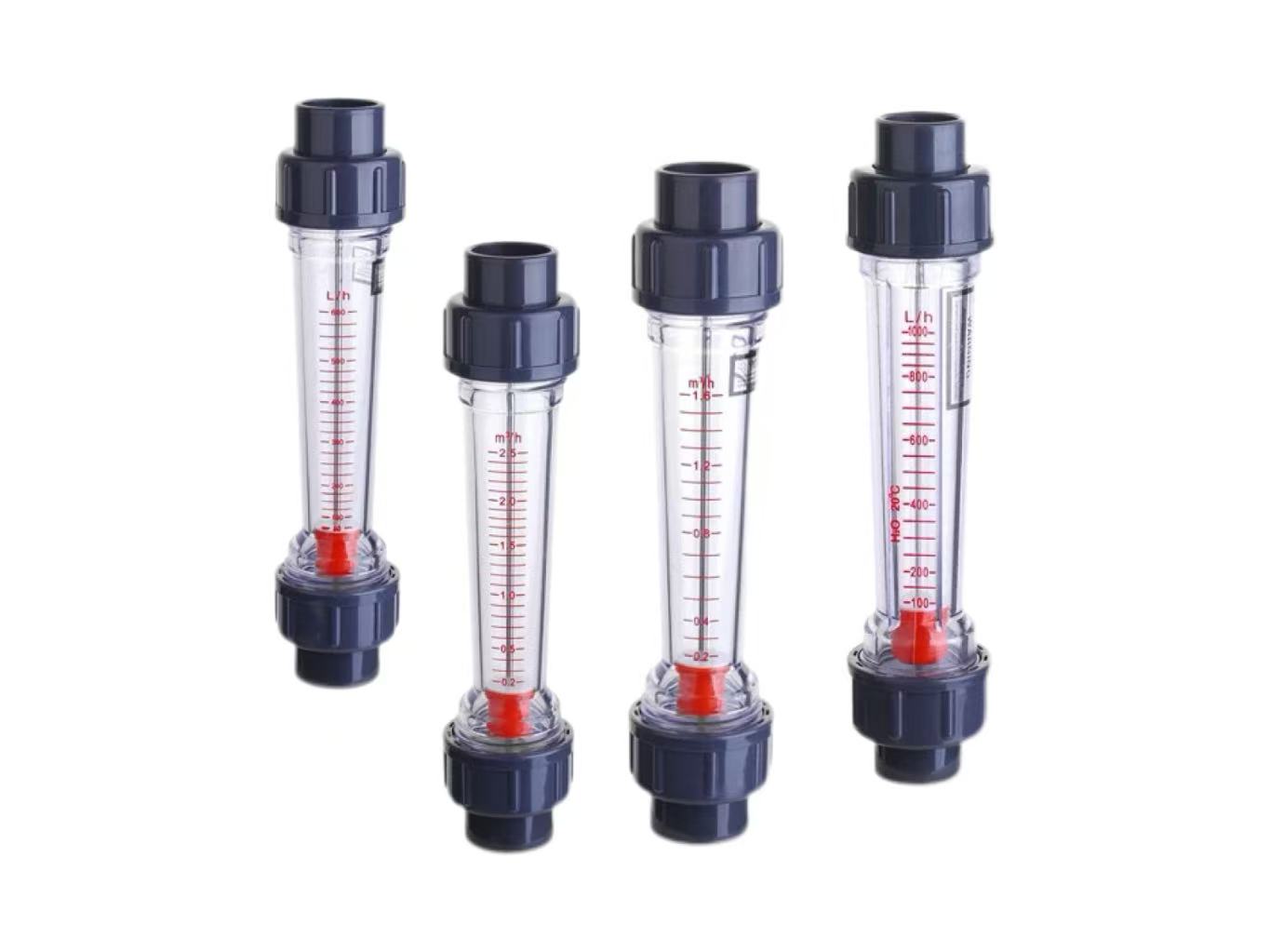
What is a Plastic Variable Area Flowmeter? Principles, Benefits, and Applications
In modern industrial fluid management, the ability to monitor flow rates accurately and cost-effectively is essential. The Plastic Variable Area Flowmeter, also known as a plastic tube rotameter, has become a staple in chemical and environmental sectors due to its lightweight design and exceptional chemical resistance.
As a leading provider of industrial instrumentation, ZINACA Instruments offers high-quality plastic rotameters designed for durability and ease of use. Below is a comprehensive look at how these meters work and why they are a preferred choice for specialized fluid applications.
Overview and Key Features
The plastic tube rotameter is an instantaneous flow measurement device characterized by several distinct advantages:
Corrosion Resistance: Unlike metal meters, the plastic construction is immune to rusting and resistant to many corrosive chemicals.
Unbreakable Structure: Built to be more rugged than traditional glass tube rotameters, reducing the risk of accidental breakage.
Non-toxic and Odorless: Safe for use in food processing and pharmaceutical environments.
Lightweight Design: Easy to install in piping systems without requiring heavy-duty supports.
It is primarily used to measure the flow rate of single-phase, non-pulsating liquids in industries such as chemical processing, pharmaceuticals, food production, and environmental protection.
Working Principle and Structure
The structure of the plastic variable area flowmeter is elegantly simple, consisting of a vertically installed transparent plastic tapered tube (small end at the bottom, large end at the top) and a float that moves up and down within the tube.
How It Works:
Fluid Upward Flow: When fluid flows upward through the tapered tube, it creates a pressure difference between the top and bottom of the float.
The Balancing Act: This pressure difference generates an upward force. When this force balances with the float’s weight, buoyant force, and viscous resistance, the float reaches a stable position.
Dynamic Adjustment: As the flow rate increases, the fluid velocity through the annular gap between the float and the tube increases, altering the pressure. The float rises to a wider section of the tube until the forces balance again.
Visual Reading: The stable vertical position of the float corresponds to a specific graduation on the transparent tube, providing an immediate visual flow rate reading.
Technical Specifications
ZINACA’s plastic flowmeters are engineered to meet strict industrial standards:
Accuracy Class: plus or minus 4 percent
Medium Temperature: 0 to 60 degrees Celsius
Maximum Pressure: 0.6 MPa
Applicable Media: Water, dilute acid, and alkali (concentration less than 30 percent)
Body Material: AS (Acrylonitrile Styrene)
Guide Rod Material: 304 Stainless Steel
Fittings and Components: ABS (Acrylonitrile Butadiene Styrene)
Installation and Usage Tips
To ensure the longevity and accuracy of your plastic variable area flowmeter, keep the following tips in mind:
Vertical Installation: The meter must be installed vertically with the flow traveling from bottom to top.
Chemical Compatibility: Ensure the liquid concentration (specifically acids and alkalis) remains below 30 percent to prevent degradation of the AS and ABS components.
Proper Maintenance: While plastic rotameters are rugged, the presence of large particulates can jam the float. Installing a strainer upstream is recommended for non-clean fluids.
Why Choose ZINACA Instruments?
Tianjin ZINACA Intelligent Equipment Co., Ltd. specializes in providing reliable, professional-grade instrumentation for the global market. Our plastic variable area flowmeters are favored for their clear readability and long-term stability in water treatment and chemical dosing systems.
Whether you are managing a small-scale laboratory setup or a large environmental protection project, ZINACA provides the technical expertise and high-quality hardware you need.
 WhatsApp
 Email
Email
 +8617320288925